
Dangerous Goods Awareness in aviation isn’t just any other regulatory checkbox—it’s a vital protection barrier that protects passengers, groups, planes, and airlines from critical incidents, economic consequences, and reputational damage. From lithium batteries hiding in passenger baggage to undeclared chemical substances in cargo shipments, dangerous goods are everywhere—and they don’t announce themselves with politeness.
This guide explains Dangerous Goods in aviation in easy, sensible, and barely interesting language (due to the fact protection doesn’t have to be dull). Whether you’re airline personnel, aviation management, or absolutely aviation-curious, this newsletter will help you understand what Dangerous Goods surely is, why it matters, and the way it keeps the aviation industry secure and compliant.
Introduction: Why Dangerous Goods Deserves Your Attention

In aviation, small mistakes can lead to very big headlines—and Dangerous Goods exists to stop those headlines from ever happening. Aviation history is full of incidents where undeclared or poorly understood dangerous goods caused smoke in cabins, fires in cargo holds, and emergency landings that no airline wants on its résumé.
Dangerous Goods ensures that aviation professionals can identify, recognize, and report hazardous materials before they become dangerous surprises at 35,000 feet. Regulators like the International Civil Aviation Organization and the International Air Transport Association require this awareness because aviation safety is a classic YMYL (Your Money or Your Life) topic—mistakes cost lives and millions of dollars.
In short: Dangerous Goods is aviation’s version of “better safe than sorry.”
What Is Dangerous Goods Awareness in Aviation?
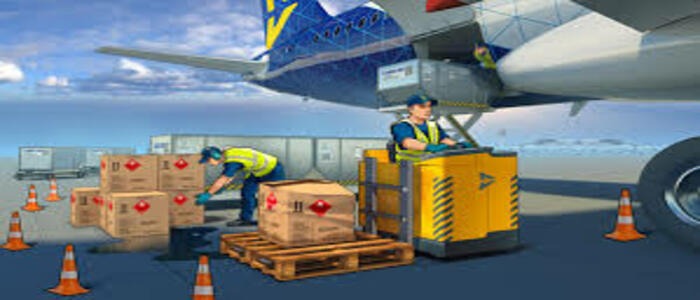
Dangerous Goods refers to the primary level of information required to recognize risky items and understand the risks they pose in air delivery—without without a doubt handling or packaging them.
In aviation terms, Dangerous Goods approach understanding:
- What items are taken into consideration dangerous goods
- Where dangerous goods are commonly hidden
- Why dangerous goods are volatile in aircraft
- How to file or increase a concern
Importantly, Dangerous Goods is not similar to Dangerous Goods Handling. Awareness focuses on popularity and prevention, now not technical preparation.
Why Dangerous Goods Awareness Is Critical for Aviation Safety (YMYL)

Dangerous Goods directly impacts aviation safety, making it a textbook YMYL topic.
1. Protection of Human Life
Aircraft environments amplify risk:
- Low air pressure
- Limited firefighting capability
- Enclosed spaces
Without Dangerous Goods , a simple lithium battery can turn into an in-flight emergency faster than you can say “brace position.”
2. Aircraft and Operational Safety
Dangerous goods incidents can result in:
- Cargo hold fires
- Smoke in passenger cabins
- Structural aircraft damage
Dangerous Goods reduces these risks before the aircraft even leaves the ground.
3. Legal and Financial Protection
Poor Dangerous Goods can lead to:
- Regulatory fines
- License suspension
- Criminal liability
- Massive insurance claims
Airlines don’t fear turbulence nearly as much as non-compliance reports.
Common Examples of Dangerous Goods Hidden in Plain Sight

One of the biggest challenges in Dangerous Goods is that many dangerous goods look harmless.
Common examples include:
- Lithium batteries and power banks
- E-cigarettes and vape devices
- Aerosols (deodorants, hair spray)
- Perfumes and alcohol-based products
- Dry ice used in food or medical shipments
- Oxygen cylinders and camping equipment
These are often called “hidden dangerous goods”, and recognizing them is the heart of Dangerous Goods .
The Regulatory Framework Behind Dangerous Goods Awareness
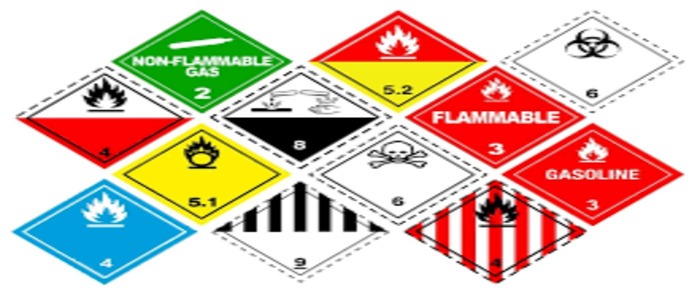
Dangerous Goods is not optional—it is legally required under global aviation regulations.
ICAO Requirements
ICAO mandates Dangerous Goods under:
- Annex 18 – The Safe Transport of Dangerous Goods by Air
- Technical Instructions for Dangerous Goods
IATA Dangerous Goods Regulations (DGR)
IATA expands ICAO rules and clearly defines:
- Who requires Dangerous Goods training
- Training categories
- Recurrent training intervals
Airlines that ignore Dangerous Goods are essentially inviting regulators to audit them—with enthusiasm.
Who Needs Dangerous Goods Awareness in Aviation?

Short answer? Almost everyone.
Dangerous Goods is required for:
- Passenger check-in staff
- Cabin crew
- Flight crew
- Ground handling staff
- Security screeners
- Cargo acceptance staff
- Supervisors and managers
If your job touches passengers, baggage, cargo, or mail, Dangerous Goods applies to you.
Dangerous Goods Awareness vs Dangerous Goods Handling Training
| Aspect | Awareness | Handling |
| Purpose | Recognition & reporting | Packaging & documentation |
| Skill Level | Basic | Advanced |
| Mandatory For | Most aviation staff | DG specialists |
| Risk Exposure | Low | High |
This distinction is critical and frequently misunderstood in aviation operations.
Consequences of Poor Dangerous Goods Awareness

When Dangerous Goods fails, consequences follow quickly:
- Flight delays and cancellations
- Emergency diversions
- Cargo rejection
- Regulatory enforcement action
- Reputation damage (the kind Google never forgets)
In aviation, ignorance is not bliss—it’s a violation.
Best Practices to Strengthen Dangerous Goods Awareness

Airlines that take Dangerous Goods seriously usually:
- Conduct regular refresher training
- Use real-world scenarios
- Promote a strong reporting culture
- Encourage “when in doubt, speak out”
A healthy Dangerous Goods culture saves lives and money—usually in that order.
Dangerous Goods Awareness Training Requirements in Aviation

Dangerous Goods training is not a “nice-to-have” PowerPoint session that aviation staff can snooze through—it is a mandatory safety requirement enforced by aviation authorities worldwide. The purpose of Dangerous Goods training is to ensure that personnel can recognize hazardous materials before they become a safety risk, rather than reacting when it is already too late.
Dangerous Goods training typically covers:
- Identification of common dangerous goods
- Recognition of hidden dangerous goods
- Passenger communication and questioning techniques
- Reporting and escalation procedures
- Real-life incident examples
From a compliance perspective, Dangerous Goods training must be documented, recurrent, and role-appropriate, ensuring that staff knowledge stays current as regulations and risks evolve.
How Often Is Dangerous Goods Awareness Training Required?

One of the most frequently asked questions about Dangerous Goods is how often training must be completed. The answer is simple but non-negotiable.
Most aviation authorities require:
- Initial Dangerous Goods training before performing duties
- Recurrent Dangerous Goods training every 24 months
Some operators choose shorter intervals, especially for high-risk roles, because Dangerous Goods fades faster than memory of turbulence. Regular refreshers ensure that staff remain alert, confident, and compliant.
Dangerous Goods Awareness and Aviation Safety Culture

A strong Dangerous Goods program is not just about ticking regulatory boxes—it is a cornerstone of aviation safety culture. Airlines with mature safety cultures treat Dangerous Goods as a shared responsibility rather than an individual burden.
In a positive Dangerous Goods culture:
- Staff feel empowered to report concerns
- Mistakes are treated as learning opportunities
- Management supports safety decisions
- Compliance is proactive, not reactive
When Dangerous Goods is embedded into daily operations, safety becomes instinctive rather than forced—and that’s exactly how aviation safety should work.
Human Factors: Why Dangerous Goods Awareness Sometimes Fails

Despite training, Dangerous Goods failures still occur—and human factors are often to blame. Fatigue, time pressure, distractions, and overconfidence can all reduce the effectiveness of Dangerous Goods .
Common human-factor issues include:
- Assuming passengers “know the rules”
- Rushing during peak check-in times
- Fear of delaying flights
- Lack of confidence to challenge passengers
The solution? Reinforce Dangerous Goods as a safety priority, not an inconvenience. A delayed flight is frustrating; an in-flight fire is catastrophic.
Hidden Dangerous Goods: The Real Awareness Challenge

Hidden dangerous goods are the true villains of aviation safety stories, and Dangerous Goods is the hero that stops them. These items are not intentionally smuggled; they are often carried by passengers who simply don’t know better.
Examples include:
- Spare lithium batteries in carry-on bags
- Camping stoves containing fuel residue
- Medical oxygen devices
- Self-heating meals
- Tool batteries and power banks
Effective Dangerous Goods training teaches staff how to ask the right questions, spot red flags, and intervene politely but firmly.
Dangerous Goods Awareness in Passenger vs Cargo Operations

While the principles of Dangerous Goods Awareness remain the same, the application differs slightly between passenger and cargo operations.
Passenger Operations
Dangerous Goods Awareness focuses on:
- Cabin baggage
- Checked baggage
- Passenger questioning
- Security screening coordination
Cargo Operations
Dangerous Goods Awareness emphasizes:
- Shipment declarations
- Packaging integrity
- Documentation review
- Recognition of undeclared dangerous goods
In both cases, Dangerous Goods acts as a preventive safety net, catching issues before they escalate.
Technology and Digital Tools Supporting Dangerous Goods Awareness

Modern aviation increasingly relies on technology to strengthen Dangerous Goods Awareness. Digital tools do not replace human awareness—but they enhance it.
Examples include:
- Electronic learning platforms
- Digital checklists
- Visual recognition apps
- Incident reporting systems
Technology helps standardize Dangerous Goods ensuring consistent application across shifts, stations, and global operations.
Real-World Incidents That Prove Dangerous Goods Awareness Matters

Aviation history provides sobering reminders of what happens when Dangerous Goods Awareness fails. Many serious incidents trace back to undeclared or misunderstood dangerous goods, particularly lithium batteries.
Investigations repeatedly highlight:
- Lack of awareness
- Inadequate questioning
- Poor reporting culture
These incidents reinforce a simple truth: Dangerous Goods saves lives before emergencies ever occur.
How Airlines Can Improve Dangerous Goods Awareness Effectively

Airlines seeking to strengthen Dangerous Goods Awareness should focus on practical, engaging, and realistic training methods, rather than compliance-only approaches.
Best practices include:
- Scenario-based training
- Visual aids and posters
- Short refresher sessions
- Encouraging safety reporting
- Leadership involvement
When Dangerous Goods is practical and relatable, staff engage with it—rather than endure it.
Dangerous Goods Awareness and Regulatory Audits

Regulators evaluate Dangerous Goods Awareness during audits by reviewing:
- Training records
- Staff interviews
- Operational procedures
- Incident reporting systems
Strong Dangerous Goods programs reduce audit findings, protect operating certificates, and demonstrate organizational maturity.
Conclusion: Why Dangerous Goods Awareness Is Non-Negotiable

Dangerous Goods isn’t always only a regulatory requirement—it’s a far-reaching, life-saving field that protects passengers, groups, planes, and airlines alike. In an industry where margins are tight and protection requirements are unforgiving, consciousness is one of the most cost-effective safety investments a corporation can make.
By strengthening dangerous goods through proper education, a strong protection subculture, and continuous development, aviation specialists can prevent incidents earlier than they occur—maintaining flights secure, compliant, and uninteresting in the most exceptionally feasible way.
Because in aviation, boring flights are a hit flights✈️.
FAQs About Dangerous Goods Awareness in Aviation

Q. What is Dangerous Goods Awareness in aviation?
Dangerous Goods is the basic knowledge required to recognize hazardous materials and understand their risks without handling them.
Q. Is Dangerous Goods Awareness training mandatory?
Yes, Dangerous Goods training is mandatory for most aviation personnel under international and national regulations.
Q. Who is responsible for Dangerous Goods Awareness?
Responsibility lies with both the organization and individual staff members who perform aviation-related duties.
Q. How is Dangerous Goods Awareness different from handling training?
Dangerous Goods focuses on recognition and reporting, while handling training covers packaging, labeling, and documentation.
Q. What happens if Dangerous Goods requirements are not met?
Failure to comply can result in fines, operational restrictions, legal action, and serious safety risks.
Facebook: https://www.facebook.com/rehan.ghauri
Linkedin: https://www.linkedin.com/rehan-ghauri/
Instagram: https://www.instagram.com/contentflyers0/
Twitter: https://www.x.com/Rghauri1977
Pinterest: https://www.pinterest.com/contentflyers0/
Reddit: https://www.reddit.com/user/contentflyers0
Medium: https://medium.com/@contentflyers0