

Customer service in aviation is not restrained to a well-mannered cabin crew and a grin at the check-in counter. In 2026, customer service in aviation has transformed into a complex, era-pushed, exceedingly regulated, and passenger-centric environment wherein enjoyment is as important as safety. Airlines that fail to adapt risk losing acceptance as true, loyalty, and revenue—three things no aviation business can have the funds for to gamble with.
This in-depth guide explores customer service in aviation through the lens of E-E-A-T (Expertise, Authoritativeness, Trustworthiness) and YMYL requirements, making sure accuracy, obligation, and real-world relevance. Whether you are an aviation professional, airline government, common flyer, or aviation content material strategist, this article offers the whole lot you want to recognize—without setting you to sleep.
Table of Contents
Introduction: 
In 2026, customer service is no longer just a competitive advantage that allows airlines to stand out—it has emerged as a real survival approach in an industry characterized by excessive expectations, tight regulations, and 0 tolerance for bad reviews. Today’s passengers are better informed, extra linked, and some distance more vocal than ever before. With instant access to flight information, passenger rights facts, and social media platforms, travelers can speedily present each positive and terrible report to a worldwide target audience. As an end result, a single behind-schedule flight combined with a bad verbal exchange or insufficient aid can undo years of careful emblem-constructing, harm patron acceptance as true, and appreciably affect an airline’s recognition and revenue.
Airlines function in a strict YMYL (Your Money or Your Life) surrounding in which choices made at every touchpoint without delay have an effect on passenger safety, financial protection, and emotional well-being. Whether it is coping with disruptions, handling cancellations, or offering accurate statistics throughout abnormal operations, Customer Service in Aviation performs a critical role in shielding passengers from needless strain, confusion, and financial loss. In this context, transparency, responsibility, and reliability are now not non-compulsory features—they may be essential responsibilities that define honest and responsible aviation carriers.
Modern customer service in aviation is built on an effective mixture of human empathy and virtual intelligence. Advanced technologies such as artificial intelligence, automation, and information-driven insights permit airlines to deliver faster responses, customized offerings, and proactive answers. However, era alone isn’t always sufficient. Airlines ought to cautiously stabilize automation with accountability, ensuring that passengers can without difficulty attain educated human representatives whilst conditions emerge as complex or emotionally charged. Innovation needs to additionally be aligned with regulation, as safety, compliance, and passenger rights remain at the center of aviation operations.
At the same time, professionalism ought to coexist with a warm temperament and approachability. A calm tone, clean verbal exchange, and even a hint of suitable humor can help lessen passenger tension and humanize the journey. Enjoy—though, of course, jokes are great stored out of safety briefings. Ultimately, airways that reach 2026 might be people who apprehend that customer service in aviation isn’t just about efficiency or era; however, approximately earning agrees with dealing with expectancies and truly worrying for the people in the back of every reserving reference.
Understanding Customer Service: A Modern Definition
Customer provider in aviation refers to every interplay of a passenger’s opinions with an airline, airport authority, or aviation company at some stage in the complete journey—from the instant a charge ticket is searched and booked to the time the passenger collects their luggage and seeks submit-flight help. In 2026, customer service in aviation isn’t limited to a frontline group of workers or in-flight hospitality; it encompasses digital structures, operational choices, communique strategies, and customer support structures that collectively form the passenger experience.
At its middle, customer service is about ensuring there may be readability, consolation, protection, and self-notion at each diploma of air tour. Passengers anticipate obvious pricing all through the ticket-reserving process, with no hidden charges or complicated fare guidelines. Clear and well-timed pre-flight verbal exchange, which includes agenda modifications, gate updates, and adventure necessities, is essential to reduce uncertainty and stress. At the airport, the ground coping with performance, queue management, accessibility services, and the body of employees’ professionalism extensively have an impact on how passengers perceive customer service.
Once onboard, in-flight consolation, clear bulletins, and attentive cabin care play a vital function in reinforcing acceptance as true and pride. After landing, the enjoyment does not stop. Baggage coping, disruption assistance, refund processing, and complaint resolution are vital additives of customer service, in particular while things no longer pass as deliberate. Passengers choose airlines not by way of the absence of problems, but rather with the aid of how efficiently and prettily those problems are resolved.
Each of these factors works collectively to form a seamless carrier atmosphere. As passenger expectations continue to evolve swiftly in 2026, airways should view customer service in aviation as a cease-to-cease duty in preference to a single department. Airlines that effectively manipulate each interplay across the journey are better located to construct loyalty, hold belief, and deliver consistent, outstanding aviation reviews in an increasingly aggressive and regulated industry.
Key Trends Transforming Customer Service in 2026

AI-Powered Personalization in Customer Service
Artificial Intelligence is no longer experimental. In 2026, Customer Service in Aviation uses AI to predict passenger needs before they even ask.
Examples include:
- Personalized meal suggestions
- Automated rebooking during disruptions
- Predictive baggage tracking alerts
AI-driven Customer Service improves response times while reducing human error—though humans still step in when emotions run high (because AI cannot apologize convincingly yet).
Hyper-Personalized Passenger Journeys
Passengers now expect Customer Service to recognize them as individuals, not booking numbers.
Airlines personalize:
- Seat preferences
- Cabin temperature
- Entertainment recommendations
Hyper-personalization enhances trust and loyalty, two pillars of effective Customer Service in Aviation.
Omni channel Communication Becomes the Norm
In 2026, Customer Service in Aviation happens everywhere—apps, WhatsApp, social media, email, and even smartwatches.
Passengers expect:
- Real-time updates
- Consistent messaging
- Fast issue resolution
Failure in omnichannel Customer Service leads to frustration and public complaints (often with screenshots).
Human-Centered Innovations in Customer Service

Emotional Intelligence Training for Aviation Staff
Technology helps, but empathy wins. Airlines now invest heavily in emotional intelligence training to enhance Customer Service in Aviation.
Cabin crew and ground staff learn:
- Conflict de-escalation
- Cultural sensitivity
- Stress management
Because calm passengers are happy passengers—and happy passengers don’t tweet angry threads.
Accessibility and Inclusive Customer Service
Inclusive Customer Service in Aviation is a legal and ethical responsibility.
Innovations include:
- AI-powered sign language assistance
- Sensory-friendly airport zones
- Enhanced mobility support
In 2026, accessibility is not optional—it is central to trustworthy Customer Service in Aviation.
Digital Transformation and Automation

Self-Service Technologies Redefining Customer Service
From biometric boarding to self-tagging baggage, automation improves efficiency in Customer Service.
Benefits include:
- Reduced waiting times
- Fewer human errors
- Improved operational flow
However, airlines must always offer human backup—because machines still freeze at the worst times.
Chatbots and Virtual Assistants
Modern chatbots support Customer Service 24/7.
They handle:
- Flight status inquiries
- Refund policies
- Seat changes
The best airlines combine AI chatbots with seamless human escalation to maintain trust in Customer Service.
Sustainability and Ethical Responsibility
Sustainable Customer Service in Aviation
Eco-conscious passengers now evaluate Customer Service based on sustainability practices.
Initiatives include:
- Digital boarding passes
- Reduced cabin waste
- Transparent carbon offset options
Sustainability strengthens trust—an essential YMYL requirement in Customer Service in Aviation.
Crisis Management and Irregular Operations
Proactive Disruption Handling
Weather disruptions, labor strikes, and unexpected technical issues are unavoidable realities in the aviation industry. What truly separates leading airlines from the rest is not the absence of these challenges, but how effectively they respond when things go wrong. In such moments, Customer Service in Aviation becomes the defining factor that shapes passenger trust, perception, and long-term loyalty. Airlines that act quickly and transparently can significantly reduce frustration and anxiety, even during major operational disruptions.
Best practices in Customer Service in Aviation begin with early and honest communication. Proactively informing passengers about delays, cancellations, or alternative options helps manage expectations and builds credibility. Automatic compensation options, where applicable, further demonstrate accountability and respect for passenger rights, especially in regulated environments. Clear and simple rebooking pathways—whether through mobile apps, digital kiosks, or dedicated support teams—allow travelers to regain control of their journey with minimal stress. When airlines handle disruptions with empathy, efficiency, and fairness, proactive Customer Service in Aviation transforms negative experiences into opportunities to strengthen customer loyalty and confidence.
Transparency and Passenger Rights Awareness
Passengers are more aware of their rights than ever. Airlines that educate customers demonstrate trustworthy Customer Service in Aviation.
Clear explanations of:
- EU261
- Refund policies
- Delay compensation
Build authority and reduce disputes in Customer Service in Aviation.
Data Security and Trust in Customer Service in Aviation
Protecting Passenger Data
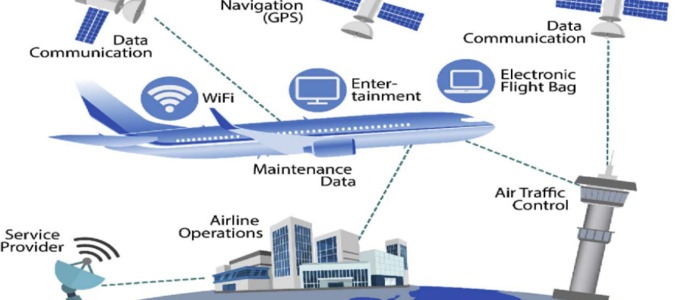
With personalization comes responsibility. Secure data handling is critical to Customer Service in Aviation.
Airlines must ensure:
- GDPR compliance
- Secure payment systems
- Transparent data usage policies
Trust is the foundation of effective Customer Service in Aviation.
Measuring Success in Customer Service in Aviation

Key Performance Indicators (KPIs)
Airlines track Customer Service in Aviation through:
- Net Promoter Score (NPS)
- Customer Satisfaction (CSAT)
- Resolution Time
Data-driven improvements strengthen authority and expertise in Customer Service in Aviation.
The Future Outlook: Customer Service in Aviation Beyond 2026

The future of Customer Service in Aviation will focus on:
- Predictive service models
- Deeper personalization
- Ethical AI governance
Airlines that invest today will lead tomorrow—while others explain delays on social media.
Conclusion
Customer service in aviation in 2026 is not pretty much delivering passengers from Point A to Point B with a well-mannered smile and a cup of coffee. It has advanced into an advanced, passenger-first ecosystem this is smarter, kinder, quicker, and notably greater accountable than ever earlier than. Airlines now function in a surrounding wherein trust, transparency, and responsiveness aren’t optionally available extras but rather critical pillars of customer service in aviation. By intelligently mixing superior technologies like AI, automation, and statistical analytics with human empathy, emotional intelligence, and ethical duty, airlines can efficaciously meet rising passenger expectations at the same time as retaining the very best standards of safety, compliance, and reliability.
What sincerely defines current customer service in aviation is stability. Innovation has to go hand in hand with regulation, performance should by no means come at the cost of passenger dignity, and automation should continually make room for human guidance whilst feelings are high. Passengers nowadays assume proactive verbal exchange throughout disruptions, personalized experiences all through their journey, and clear clauses in their rights and options. Airlines that supply these always aren’t simply enhancing Customer Service in Aviation—they may be constructing lengthy-term consider, logo loyalty, and operational resilience in a noticeably aggressive and relatively regulated industry.
Ultimately, exceptional customer service in aviation isn’t always about attaining perfection, due to the fact aviation is complex and disruptions are inevitable. Instead, it’s miles about preparedness, honesty, responsibility, and real take care of the human beings in the back of the boarding passes. When matters go wrong—as they on occasion will—how an airline responds matters some distance greater than the hassle itself. Clear communication, truthful answers, and a peaceful, respectful tone can flip a disturbing situation into a moment that strengthens passenger confidence.
And sure, a little humor nevertheless helps. A heat announcement, a light-hearted apology, or a friendly interaction can humanize even the most advanced structures. In 2026 and past, the airways that honestly excel in Customer Service in Aviation will be those who take into account one easy fact: technology may electricity the journey, but humans outline the enjoy.
Frequently Asked Questions (FAQs)

1. Why is Customer Service in Aviation critical in 2026?
Customer Service in Aviation directly impacts passenger trust, safety perception, and financial decisions, making it vital in a YMYL environment.
2. How does AI improve Customer Service in Aviation?
AI enhances Customer Service in Aviation through personalization, predictive assistance, and faster issue resolution.
3. What role does empathy play in Customer Service in Aviation?
Empathy humanizes Customer Service in Aviation, helping manage stress, conflicts, and cultural diversity.
4. How does sustainability influence Customer Service in Aviation?
Eco-friendly practices strengthen trust and brand loyalty within Customer Service in Aviation.
5. What is the biggest challenge in Customer Service in Aviation today?
Balancing automation with human connection remains the biggest challenge in Customer Service in Aviation.
Facebook: https://www.facebook.com/rehan.ghauri
Instagram: https://www.instagram.com/contentflyers0/
Twitter: https://www.x.com/Rghauri1977
Pinterest: https://www.pinterest.com/contentflyers0/
Medium: https://medium.com/@contentflyers0/