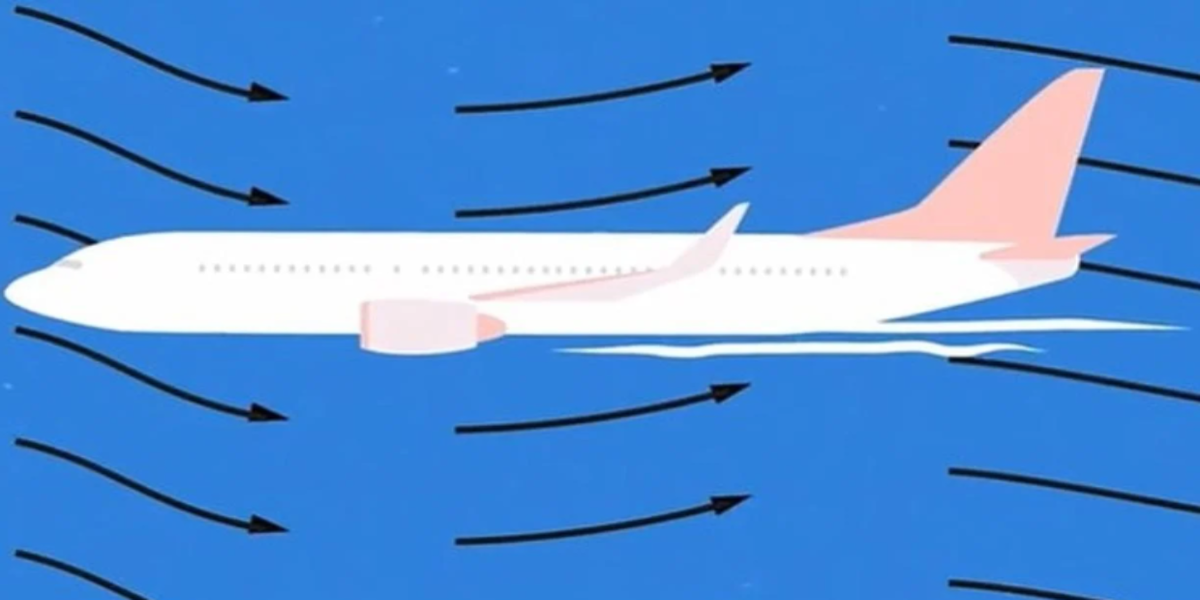
Flying is exciting, isn’t it? But the moment your aircraft shakes like a maraca mid-flight, even seasoned tourists grab their armrests. This is where Air Turbulence Safety comes into play. Understanding turbulence, its causes, and how pilots and airlines control it can turn a nerve-wracking revel into simply another part of your journey. In this guide, we’ll break down the whole thing you want to know about staying safe, calm, and even entertained in the course of turbulent flights.
Introduction: Why Air Turbulence Safety Matters
If you’ve ever felt a plane jiggle, sway, or dip, you realize that turbulence can feel like a roller-coaster within the sky—but with less cotton candy and additional tension. While turbulence is relatively commonplace, the question on every passenger’s mind is, “Am I safe?”
The truth is, airplanes are built to handle turbulence, and pilots are skilled at navigating it competently. Air turbulence safety isn’t just about strapping on your seatbelt—it’s an aggregate of plane engineering, pilot understanding, climate monitoring, and passenger recognition.
What Is Air Turbulence?
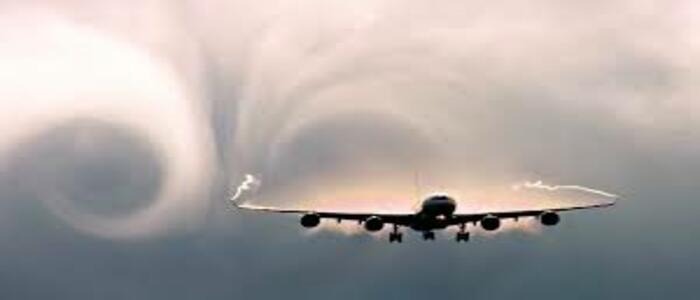
Before we talk safety, let’s understand the beast itself. Air turbulence is the irregular movement of air that causes an aircraft to shake or sway. It can be mild, moderate, or severe—but here’s a comforting fact: modern planes can handle far more stress than turbulence can throw at them.
Types of Air Turbulence:
- Clear Air Turbulence (CAT): Invisible and usually occurs at high altitudes near the jet stream.
- Mechanical Turbulence: Caused by buildings, mountains, or other obstacles disrupting airflow.
- Thermal Turbulence: Generated by rising warm air, often on hot sunny days.
- Convective Turbulence: Linked with thunderstorms or heavy clouds.
- Wake Turbulence: The disturbance caused by other airplanes passing through the same airspace.
Knowing the type of turbulence helps pilots anticipate and minimize risks, ensuring your Air Turbulence Safety.
Why Air Turbulence Happens
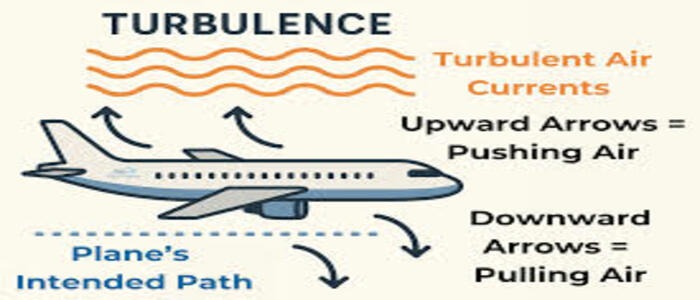
Turbulence may be as a result of natural forces, climate, and human activity inside the sky. Some not unusual reasons encompass:
- Jet Streams: High-velocity air currents at excessive altitudes can shake a plane suddenly.
- Weather Systems: Thunderstorms, wind gusts, or temperature inversions can create turbulence.
- Geography: Mountains and urban landscapes can interfere with airflow, inflicting bumps.
- Other Aircraft: Wake turbulence can ripple through the sky after an aircraft passes.
Even although it feels horrifying, turbulence does not often pose a danger to a fashionable plane. The real chance is minor accidents from now on, not preserving your seatbelt mounted.
How Pilots Ensure Air Turbulence Safety

Pilots are the unsung heroes of turbulence. Here’s how they maintain flights easy and secure:
- Advanced Weather Monitoring: Pilots get real-time climate updates, which includes turbulence reviews.
- Flight Path Adjustments: Pilots can climb, descend, or exchange routes to keep away from rough patches.
- Communication: Pilots talk with air visitors control and different aircraft to proportion turbulence data.
- Experience and Training: Pilots educate for turbulence scenarios in simulators, getting ready them for any shake-up.
So, when your seatbelt sign dings on, it’s no longer paranoia—it’s Air Turbulence Safety in motion.
Airplane Design and Safety Features
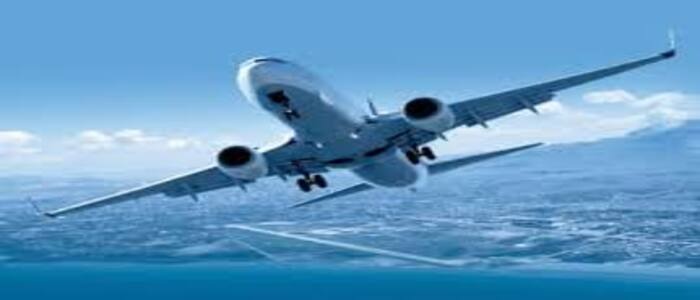
Modern airplanes are marvels of engineering. They’re built to endure:
- Extreme Turbulence: Wings can flex, fuselage can bend, and the aircraft can absorb shocks.
- Passenger Safety Systems: Seatbelts, reinforced seats, and cabin structure protect you.
- Redundant Systems: Multiple backup systems ensure the plane keeps flying even in severe turbulence.
Basically, your plane is a sky fortress, designed to keep you safe while the clouds throw a tantrum.
Tips for Passengers: Staying Safe During Turbulence
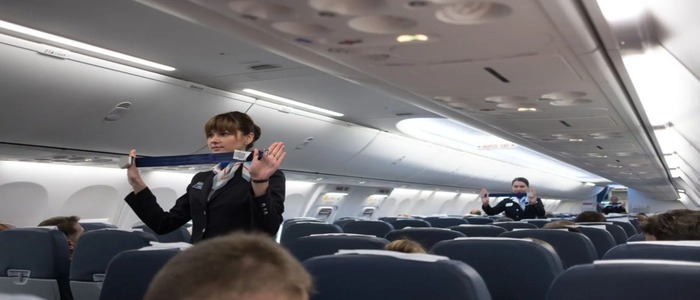
Even with all the safety measures, passengers play a role in Air Turbulence Safety. Here’s how to ride out turbulence like a pro:
- Always Wear Your Seatbelt: Even if the sign is off, it’s a good habit.
- Secure Loose Items: Laptops, coffee cups, and snacks can become flying missiles.
- Follow Crew Instructions: Flight attendants know how to keep you safe.
- Stay Calm: Deep breaths and distractions (books, movies) reduce anxiety.
- Choose Your Seat Wisely: Seats over the wings tend to experience less motion.
Pro Tip: Humor helps! Laugh at the situation or imagine your plane is dancing—it actually reduces panic.
Common Myths About Air Turbulence

Let’s bust some myths that keep flyers awake at night:
- Myth 1: Turbulence can crash a plane. ❌ (Planes are engineered for it!)
- Myth 2: Only bad weather causes turbulence. ❌ (Clear air turbulence exists!)
- Myth 3: Pilots can eliminate turbulence completely. ❌ (They can avoid most, but not all.)
- Myth 4: Turbulence is dangerous for all passengers. ❌ (Injury risk is low if seatbelt is fastened.)
- Myth 5: Bigger planes don’t feel turbulence. ❌ (They feel it less but still move!)
Understanding these myths improves your Air Turbulence Safety awareness and reduces flight anxiety.
When Is Turbulence Actually Dangerous?
While extremely rare, turbulence can pose risks:
- Unsecured Passengers: Standing up or walking during turbulence can cause injuries.
- Loose Objects: Items in overhead bins can shift.
- Medical Conditions: Certain health issues may make turbulence uncomfortable or risky.
Pilots and flight attendants are trained to mitigate these risks, but your cooperation is part of the Air Turbulence Safety protocol.
Technological Advances in Turbulence Safety
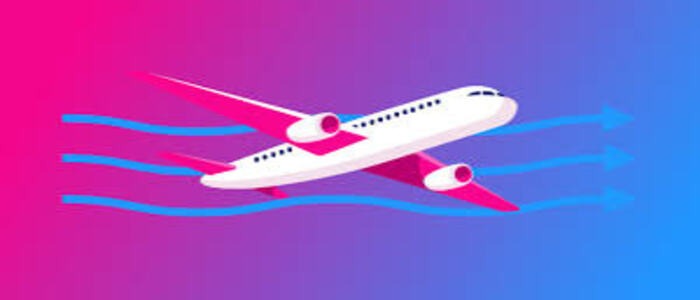
The aviation industry is always innovating to make turbulence safer:
- Turbulence Detection Systems: Radar and AI systems predict rough patches.
- Flight Path Optimization Software: Algorithms suggest smoother routes.
- Real-Time Weather Updates: Pilots receive updates from satellites and meteorological stations.
- Passenger Communication Systems: Apps and announcements keep travelers informed.
Technology + pilot expertise = next-level Air Turbulence Safety.
Fun Facts About Turbulence
- Pilots experience turbulence like a mild shake—they often barely notice it.
- Wing flexing is normal and shows your plane is doing its job.
- Pilots often joke: turbulence is just the clouds giving you a high-five.
- Statistically, turbulence causes far fewer injuries than slipping on a wet floor.
Even the most anxious flyers can chuckle here while learning about Air Turbulence Safety.
Real-Life Turbulence Stories: What Passengers Can Learn
Sometimes, hearing real-existence tales makes air turbulence safety more relatable. Here are some examples:
- The “Bumpy Red-Eye” Flight: The flight hit surprising clean-air turbulence at 2 a.m. Passengers who weren’t wearing seatbelts experienced minor bruises, but the aircraft remained completely secure. The crew calmly reassured all of us, displaying that air turbulence safety protocols work even inside the dark of nighttime.
- Mountain Wave Adventure: A flight over the Rockies encountered sturdy mechanical turbulence. The wings flexed dramatically—horrifying to observe—however, it’s ordinary engineering at paintings. Passengers discovered that planes are designed to bend, not spoil, a key part of air turbulence safety.
- Thunderstorm Bump: A regional flight flew near a thunderstorm, inflicting short bursts of turbulence. The pilot modified altitude, and the bumps stopped inside minutes. This demonstrates the significance of pilot education and real-time climate tracking in air turbulence safety.
✅ Lesson: Most turbulence is uncomfortable, not risky, and knowing what to anticipate reduces anxiety.
Air Turbulence Safety and Frequent Flyers
Frequent flyers have a unique perspective on turbulence. Here’s how Air Turbulence Safety affects them:
- Seat Selection Matters: Frequent travelers often choose seats over the wings where the motion is minimal.
- Pack Smart: Heavy items in overhead bins can become hazards. Experienced travelers use seat back storage for lighter items to enhance safety.
- Mindset is Key: Regular flyers treat turbulence as a routine part of flying—laughing, reading, or even stretching to reduce stress.
Pro Tip: Frequent flyers often carry a small travel kit with snacks, water, and entertainment—making turbulence feel like a temporary inconvenience instead of a nightmare.
The Science Behind Turbulence and Air Turbulence Safety
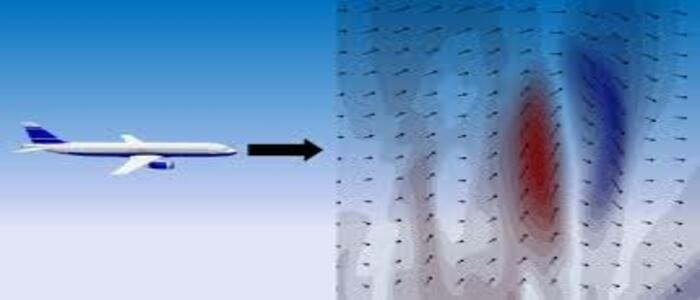
Understanding the science behind turbulence helps passengers appreciate the effectiveness of Air Turbulence Safety measures:
Jet Streams and Clear Air Turbulence (CAT)
- Jet streams are high-speed air currents flowing west to east in the upper atmosphere.
- CAT occurs when planes cross these invisible currents. Despite feeling dramatic, the aircraft structure and pilot training ensure safety.
Thermal and Convective Turbulence
- Thermal turbulence arises from rising hot air during sunny days.
- Convective turbulence appears near thunderstorms or large cloud systems. Pilots use weather data to avoid convective zones whenever possible.
Mechanical Turbulence
- Caused by mountains, buildings, or urban landscapes disrupting airflow.
- Pilots anticipate these zones when planning routes, ensuring Air Turbulence Safety protocols are in place.
Wake Turbulence
- Airplanes leave vortices in their wake, similar to boats on water.
- Air traffic controllers maintain safe distances between planes to minimize the effect.
Fun Fact: Pilots describe turbulence as “the sky giving you a gentle massage”—and thanks to Air Turbulence Safety, it’s a massage you survive just fine.
Medical Considerations During Turbulence
While turbulence is generally safe, some passengers need extra care:
- Pregnant Passengers: Seatbelts should remain fastened, and mid-flight stretching is recommended.
- Elderly Travelers: Sudden movements can cause minor injuries if not properly seated.
- Passengers with Heart Conditions: Anxiety from turbulence can increase stress—breathing exercises help.
- Children: Parents should ensure children are securely fastened and calm during turbulence.
By following these precautions, Air Turbulence Safety is maintained for everyone on board.
Turbulence and Flight Insurance: What You Need to Know
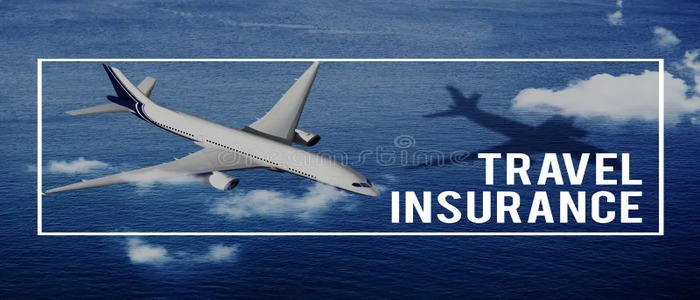
Some travelers ask: “Does turbulence affect my flight insurance?” The answer depends on the policy:
- Standard Travel Insurance: Covers injury from turbulence if safety measures are ignored (e.g., not wearing a seatbelt).
- Flight Accident Coverage: Usually includes turbulence-related incidents if passengers follow airline rules.
- Premium Policies: Some policies provide extra coverage for turbulence-related injuries or disruptions.
Understanding this helps passengers take Air Turbulence Safety seriously while knowing they are financially protected.
Technological Innovations Making Turbulence Safer
The aviation industry constantly improves Air Turbulence Safety with technology:
- Next-Gen Turbulence Detection Systems: Planes now use AI to anticipate bumps before passengers feel them.
- Real-Time Weather Mapping: Pilots access satellite feeds to adjust flight paths instantly.
- Smart Flight Planning: Algorithms suggest smoother altitudes and routes to minimize turbulence.
- Cabin Communication Apps: Passengers are alerted about expected turbulence for mental preparation.
The combination of human expertise and technology ensures safer skies than ever before.
Psychological Tips to Handle Turbulence
Fear of turbulence is common, but psychology can help:
- Understand What’s Normal: Turbulence is like driving over a bumpy road—uncomfortable but safe.
- Distraction Techniques: Listen to music, watch a movie, or read a book.
- Visualization: Imagine the plane gliding smoothly; this helps calm nerves.
- Breathing Exercises: Slow, deep breaths reduce anxiety.
- Talk to Crew: Flight attendants can explain turbulence patterns and safety procedures, boosting confidence.
Humor works too—think of turbulence as sky tickles!
Air Turbulence Safety Regulations and Guidelines

Airlines and regulators take turbulence seriously. Key standards include:
- ICAO (International Civil Aviation Organization): Sets global turbulence safety standards.
- FAA (Federal Aviation Administration): Provides operational guidelines for turbulence avoidance and passenger safety.
- EASA (European Union Aviation Safety Agency): Monitors turbulence protocols for European flights.
- Airline-Specific Protocols: Each airline trains pilots and cabin crew for turbulence emergencies.
These layers of oversight ensure Air Turbulence Safety is not left to chance.
Preparing for Turbulence: A Checklist for Passengers

Here’s a handy checklist to enhance your Air Turbulence Safety experience:
- Fasten your seatbelt as soon as you sit.
- Keep carry-on items secured in overhead bins or under the seat.
- Follow all instructions from the flight crew.
- Avoid moving around the cabin during turbulence.
- Stay informed about weather conditions if your airline provides updates.
- Use relaxation techniques to stay calm.
- Sit near the wings for minimal motion.
- Carry essential medications if you have medical conditions.
Following these simple steps ensures a safer, calmer flight even in bumpy skies.
Fun Aviation Facts About Turbulence
- Turbulence rarely causes plane damage—planes are stress-tested to extreme conditions.
- Pilots often joke: turbulence is just “sky karaoke” with the wings doing the singing.
- Air turbulence injuries are mostly minor, like bruises from coffee spills.
- Turbulence is more common than most passengers realize—but planes handle it effortlessly.
Even learning about turbulence can make you feel like a sky-savvy adventurer.
Conclusion
Flying doesn’t have to be nerve-wracking. Understanding air turbulence safety offers passengers self-belief, reassurance, or even a touch of humor whilst driving out the bumps. Modern airplanes, expert pilots, sophisticated generation, and informed passengers all make contributions to a smooth and secure journey—even if the skies decide to bop a bit.
So the next time your flight hits a hard patch,
Recall: it’s everyday, your aircraft can manage it, and you’re safer than you think. Strap in, loosen up, and experience the adventure above the clouds!
FAQs

Q1: How often do planes encounter turbulence?
Most commercial flights experience mild turbulence at least once. Severe turbulence is rare, and airplanes are built to handle it.
Q2: Are some airlines safer regarding turbulence?
All certified airlines follow strict Air Turbulence Safety protocols, so safety is consistent across reputable carriers.
Q3: Can turbulence cause structural damage to a plane?
Extremely unlikely. Planes are stress-tested for conditions far more severe than any turbulence encountered in normal flights.
Q4: Why does turbulence feel worse for nervous passengers?
Anxiety amplifies perception of bumps. Understanding Air Turbulence Safety and following safety measures helps reduce fear.
Q5: Can pilots predict every turbulence event?
Pilots can predict most turbulence using weather data, reports, and radar. Some unexpected clear-air turbulence may still occur, but it’s manageable.
Facebook: https://www.facebook.com/rehan.ghauri
Linkedin: https://www.linkedin.com/rehan-ghauri/
Instagram: https://www.instagram.com/contentflyers0/
Twitter: https://www.x.com/Rghauri1977
Pinterest: https://www.pinterest.com/contentflyers0/
Reddit: https://www.reddit.com/user/contentflyers0
Medium: https://medium.com/@contentflyers0