
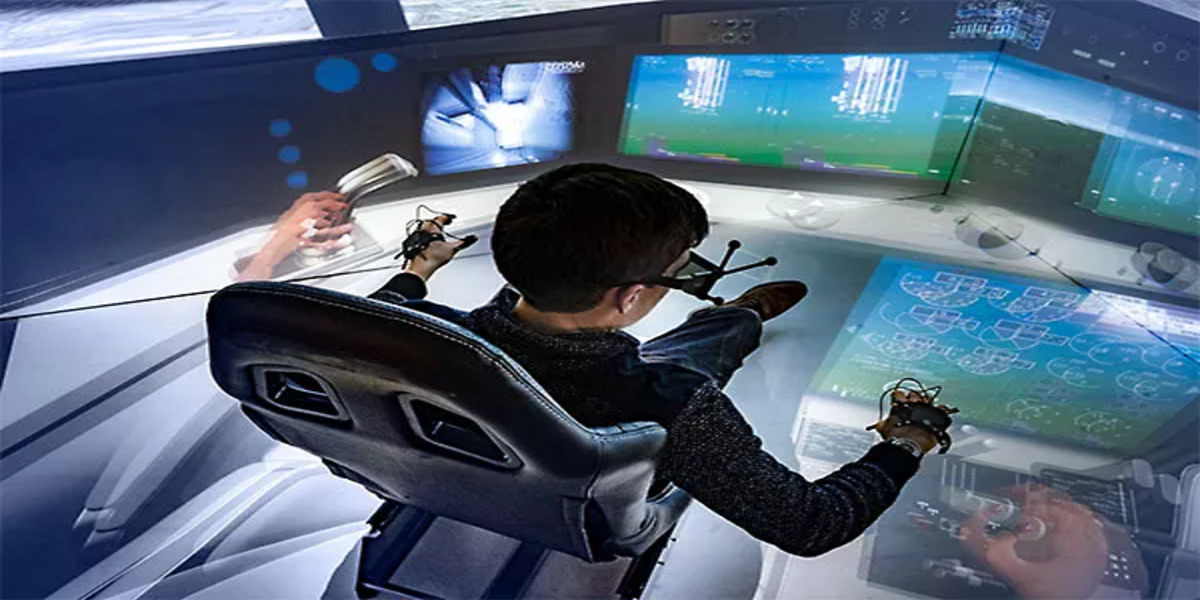
Aviation Human-Machine Interface Design makes a specialty of how pilots, air traffic controllers, and aviation specialists interact with aircraft structures in a safe, green, and intuitive manner. As modern-day aircraft grow to be more computerized and technologically superior, the function of human-machine interfaces has come to be critical in decreasing human mistakes, enhancing situational attention, and helping clear decision-making at some stage in all levels of flight.
At its middle, aviation human-machine interface design combines concepts of human factors engineering, cognitive psychology, ergonomics, and aeronautical technology. It guarantees that complex flight facts—along with altitude, pace, navigation, engine overall performance, and system alerts—are presented in a clear, prioritized, and person-friendly way. Well-designed interfaces help aviation professionals process statistics quickly, even in high-pressure conditions, together with emergencies or unfavorable climate situations.
In these days digital cockpits, aviation human-machine interface design extends past traditional units to consist of touchscreen avionics, head-up presentations (HUDs), voice-command structures, augmented reality tools, and AI-assisted decision-support structures. These improvements aim to lessen pilot workload whilst keeping proper manipulation and oversight of automatic structures.
Ultimately, aviation human-machine interface design plays a crucial role in modern-day aviation protection and operational performance. By aligning superior generation with human abilities and barriers, it creates safer skies, greater reliable operations, and a destiny wherein humans and machines work collectively seamlessly to support flight protection and performance.
Table of Contents
Introduction For Aviation Human-Machine Interface Design
In today’s swiftly advancing international aviation, one of the largest breakthroughs is the evolution of aviation human-machine interface design. From conventional analog gauges to present-day touchscreen avionics, the relationship between pilots and generation has converted dramatically. As aircraft systems emerge as extra automatic, interconnected, and clever, the need for clean, intuitive, and safe interfaces has by no means been more important.
Modern aviation relies upon the seamless interplay between human beings and machines. Whether it’s for a pilot monitoring real-time flight facts, an air traffic controller coping with plane separation, or an onboard machine analyzing weather patterns, efficiency and protection depend heavily on well-designed interfaces.
This comprehensive manual explores the whole lot of approximately Aviation Human-Machine Interface Design, such as its ideas, challenges, blessings, risks, pleasant practices, and destiny innovations shaping the next technology of the aviation era.
What Is Aviation Human-Machine Interface Design?

Aviation Human-Machine Interface Design (Aviation HMI Design) refers to how humans (pilots, ATC, engineers, and cabin crew) interact with aircraft systems. It includes all physical and digital components such as:
- Cockpit displays
- Touchscreens
- Control panels
- Warning systems
- Autopilot interfaces
- Flight management systems (FMS)
- Voice-command tools
- Virtual and augmented reality systems
The purpose is to create interfaces that are clear, intuitive, and supportive of human limitations—while enhancing situational awareness, decision-making, and flight safety.
Why Aviation Human-Machine Interface Design Matters

In aviation, even a small misinterpretation of information can lead to major consequences. Therefore, interface design directly impacts:
✔ Flight safety
✔ Pilot workload
✔ Communication efficiency
✔ Accuracy of decision-making
✔ Automation monitoring
✔ Emergency response
Aviation Human-Machine Interface Design interface reduces human error, one of the leading causes of aviation incidents.
Core Principles of Aviation Human-Machine Interface Design
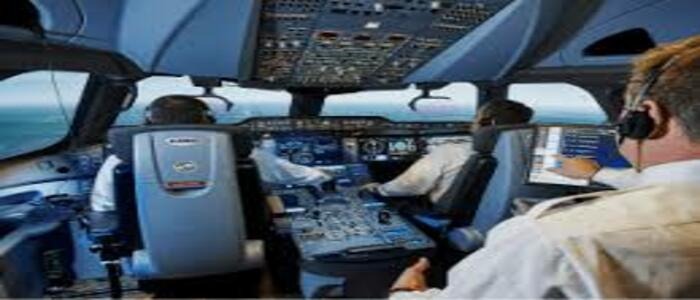
Aviation Human-Machine Interface Design follows several foundational principles:
1. Situational Awareness
Pilots must understand their environment at all times. Aviation Human-Machine Interface Design supports this by providing:
- Real-time data
- Clear visual cues
- Prioritized alerts
- Minimal visual clutter
2. Usability
Aviation Human-Machine Interface Design must be easy to use in all flight phases, including high-stress situations.
3. Consistency
Aviation Human-Machine Interface Design Standardized symbols, colors, and layouts prevent confusion between different aircraft models.
4. Error Reduction
Aviation Human-Machine Interface Design Interfaces must prevent unintentional actions and highlight critical warnings clearly.
5. Workload Management
Aviation Human-Machine Interface Design should reduce mental and physical workload, not add to it.
6. Accessibility
Aviation Human-Machine Interface Design Cockpit tools must work for pilots with different cognitive styles, heights, and experience levels.
Components of Aviation Human-Machine Interface Design
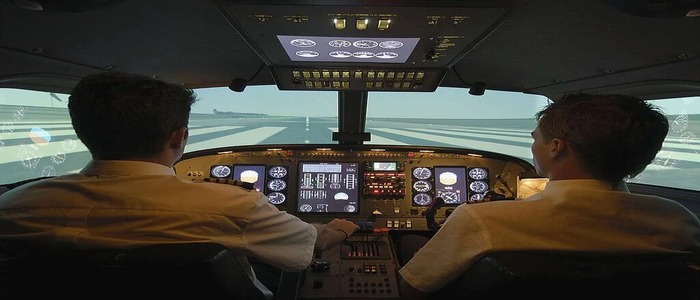
1. Cockpit Displays
Modern aircraft use:
- Primary Flight Displays (PFD)
- Multi-Function Displays (MFD)
- Engine Indication and Crew Alerting Systems (EICAS)
These deliver altitude, speed, attitude, fuel levels, and navigation information.
2. Touchscreen Avionics
Aircraft like the Airbus A350 and Boeing 787 now feature touchscreen systems that simplify control inputs.
3. Flight Management System (FMS)
Pilots interact through keypads or touch displays to manage:
- Navigation
- Performance settings
- Fuel calculations
- Autopilot parameters
4. Autopilot Panels
Modern Aviation Human-Machine Interface Design simplify autopilot adjustments with intuitive knobs, buttons, and visual confirmations.
5. Warning and Alert Systems
Color-coded alerts play a key role:
- Red = immediate danger
- Amber = caution
- Blue/Green = normal operations
6. Haptic and Voice Feedback
New aircraft designs include vibration cues or voice commands for improved accuracy.
7. Augmented Reality (AR) & Virtual Reality (VR)
Training interfaces such as VR flight simulators improve pilot readiness.
How Aviation Human-Machine Interface Design Enhances Safety
1. Reduces Pilot Workload
Better Aviation Human-Machine Interface Design automate routine tasks, allowing pilots to focus on critical decisions.
2. Improves Reaction Time
Clear alerts help pilots react faster, especially during emergencies.
3. Minimizes Human Error
Well-structured displays reduce confusion and misinterpretation.
4. Enhances Communication
ATC and cockpit communication becomes more efficient with intuitive interfaces.
5. Supports Automation Monitoring
As aircraft automation increases, Aviation Human-Machine Interface Design help pilots maintain control and awareness.
Applications of Aviation Human-Machine Interface Design
1. Commercial Aviation
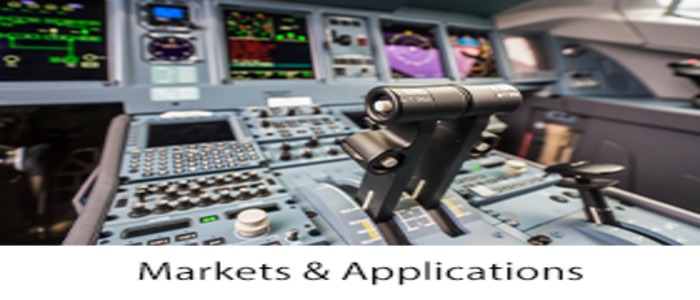
- Digital cockpits
- Ground control systems
- Passenger cabin interfaces
2. Military Aviation
- Helmet-mounted displays
- Advanced targeting systems
- Augmented reality tactical screens
3. General Aviation
Next-gen avionics in small aircraft (Garmin G1000, G3000, Dynon SkyView).
4. Air Traffic Control
ATC relies on advanced radar displays, digital strips, and AI traffic prediction tools.
5. Aircraft Maintenance
Technicians use Aviation Human-Machine Interface Design tablets and smart glasses for troubleshooting.
Benefits of Aviation Human-Machine Interface Design
✔ Improved Air Safety
✔ Enhanced Pilot Decision-Making
✔ Faster Emergency Response
✔ Reduced Flight Delays
✔ Higher Efficiency
✔ Better Training Outcomes
✔ Lower Operational Costs
Risks and Challenges in Aviation Human-Machine Interface Design Design
❌ Information Overload
Too much data on a display can overwhelm pilots.
❌ Automation Dependency
Pilots may become overly reliant on automated systems.
❌ Interface Misinterpretation
If symbols or colors are unclear, errors can occur.
❌ Poor Ergonomics
Improper placement of controls may cause fatigue.
❌ Technical Failures
Display malfunction can impact flight operations.
❌ Human Factors Misalignment
Failing to consider human limitations leads to unsafe interfaces.
Future Trends in Aviation Human-Machine Interface Design (2025 & Beyond)
1. Fully Voice-Activated Cockpits
Pilots will control systems with natural language commands.
2. Gesture-Controlled Interfaces
Motion sensors will replace some physical switches.
3. AI-Powered Decision Assistance
AI will analyze weather, fuel, and traffic to recommend actions.
4. Smart HUDs (Head-Up Displays)
Improved HUDs will show enhanced synthetic vision.
5. Biometric Monitoring in Cockpits
Pilots’ stress levels, heart rate, and fatigue will be monitored.
6. Simplified Virtual Cockpit Training
VR-based simulators will reduce training costs.
7. Touchless Screens
Ultrasonic touchless technology will improve hygiene.
Best Practices for Designing Aviation Human-Machine Interface Design
✔ Use color coding with caution
✔ Avoid clutter—keep displays clean
✔ Use consistent symbols
✔ Provide audible and visual feedback
✔ Ensure interfaces work in multiple lighting conditions
✔ Prioritize essential information
✔ Include redundancy for safety
Case Study: Aviation Human-Machine Interface Design in Airbus A350
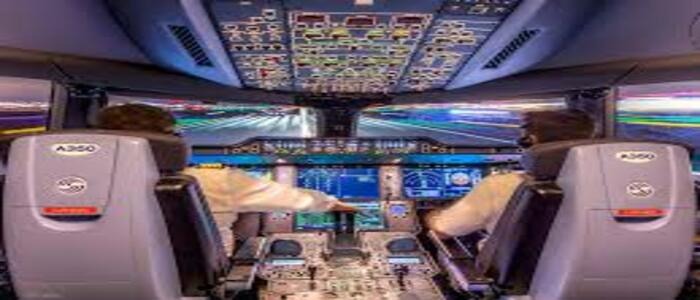
The A350’s cockpit was designed with:
- Touchscreens
- Smart alert systems
- Enhanced ergonomics
- Intuitive flight management panels
- Large multi-function displays
This design reduced workload and improved pilot comfort significantly.
Case Study: Aviation Human-Machine Interface Design Boeing 787 Dreamliner
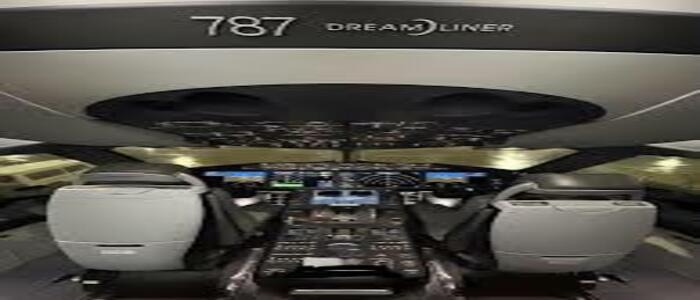
The 787 uses:
- Simplified HUD
- Smart alerting systems
- Graphical flight planning
These Aviation Human-Machine Interface Design upgrades lead to faster decision-making and improved operational efficiency.
Conclusion
As aviation keeps adapting, aviation human-machine interface design becomes more important than ever. Advanced Aviation Human-Machine Interface Design now not only effectively beautify safety and efficiency but also redefine how pilots function in a plane. The shift closer to AI-driven, intuitive, and user-centered interfaces will shape the destiny of aviation, making flights more secure, smarter, and extra reliable.
Whether you’re a content material writer, aviation expert, or clearly enthusiastic about flight technology, knowing the significance of Aviation Human-Machine Interface Design layout offers you an effective benefit in today’s dynamic aerospace industry.
FAQs

1. What is Aviation Human-Machine Interface Design?
It is the design of systems that enable pilots and other aviation professionals to interact with aircraft technology safely and efficiently.
2. Why is Human-Machine Interface important in aviation?
It improves safety, reduces workload, enhances communication, and lowers the risk of human error.
3. How does Aviation Human-Machine Interface Design impact pilot training?
Modern Aviation Human-Machine Interface Design make training more realistic, immersive, and efficient through VR and advanced simulators.
4. What are examples of aviation Aviation Human-Machine Interface Design components?
Touchscreens, flight displays, FMS panels, HUDs, warning systems, and AR/VR tools.
5. What is the future of Aviation Human-Machine Interface Design in aviation?
AI integration, biometric monitoring, gesture controls, and more intuitive touchscreen systems.
Facebook: https://www.facebook.com/profile.php?id=61556242913524
Linkedin: www.linkedin.com/in/contenetflyers
Twitter: https://www.twitter.com/contentflyers0/
Pinterest: https://www.pinterest.com/contentflyers0/
Reddit: https://www.reddit.com/user/contentflyers0
Medium: https://medium.com/@contentflyers0/