
Smart Airport Infrastructure represents the backbone of modern aviation, integrating advanced digital technologies, automation, artificial intelligence, and sustainable systems to enhance airport efficiency, safety, passenger experience, and operational resilience. As air traffic grows and passenger expectations rise, smart infrastructure is no longer optional—it is a strategic necessity for future-ready airports.
Table of Contents
Introduction

Airports aren’t in reality transit hubs; they may be complex digital ecosystems. With worldwide passenger traffic predicted to surpass pre-pandemic levels, airports face mounting pressure to carry out operations effectively, securely, and sustainably. This is wherein Smart Airport Infrastructure performs a transformative characteristic.
By combining IoT, AI, big record analytics, biometrics, automation, and clever strength structures, airports can optimize operations while improving passenger delight and regulatory compliance. For aviation stakeholders—airport authorities, airways, regulators, and traders—smart infrastructure right now affects protection, sales, and long-term viability.
This entire manual explores what smart airport infrastructure is, the way it works, why it subjects, its advantages and risks, actual global applications, regulatory issues, and destiny tendencies shaping aviation.
What Is Smart Airport Infrastructure?

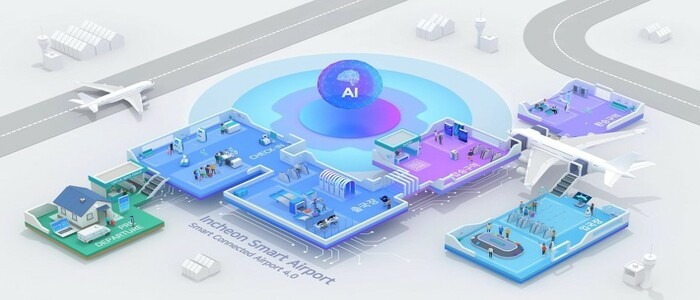
Smart Airport Infrastructure refers to the integration of digital technologies and intelligent systems into airport facilities and operations to enable real-time monitoring, predictive decision-making, automation, and data-driven optimization.
Key Characteristics
- Digitally connected systems
- Data-driven operations
- Automation and AI-assisted decision-making
- Passenger-centric design
- Sustainable and energy-efficient infrastructure
- Cyber-resilient and secure systems
Unlike traditional airports, smart airports operate as interconnected ecosystems, where physical assets and digital platforms communicate seamlessly.
Why Smart Airport Infrastructure Matters in Modern Aviation

Growing Passenger Demand
According to industry forecasts, global air travel demand will continue to grow steadily, increasing pressure on airport capacity and services.
Operational Complexity
Airports manage:
- Aircraft movements
- Ground handling
- Passenger flow
- Security screening
- Retail operations
- Energy consumption
Smart infrastructure allows these components to operate in harmony.
Regulatory and Safety Expectations
Organizations such as International Civil Aviation Organization and International Air Transport Association emphasize safety, efficiency, and sustainability—key outcomes enabled by smart airport systems.
Core Components of Smart Airport Infrastructure
1. Internet of Things (IoT) in Airports
IoT devices collect real-time data from:
- Runways and taxiways
- Baggage handling systems
- Terminal occupancy sensors
- HVAC and lighting systems
Impact:
- Predictive maintenance
- Reduced equipment downtime
- Optimized energy use
2. Artificial Intelligence and Machine Learning
AI enhances:
- Passenger flow prediction
- Security threat detection
- Resource allocation
- Airside operations planning
Machine learning models analyze historical and real-time data to anticipate congestion and disruptions.
3. Biometric Passenger Processing
Biometric systems use:
- Facial recognition
- Fingerprint scanning
- Iris recognition
Applications include:
- Check-in
- Security screening
- Boarding
Result: Faster processing, reduced queues, and enhanced identity verification.
4. Smart Baggage Handling Systems
Advanced baggage systems use:
- RFID tracking
- Automated sorting
- Real-time monitoring
Benefits include reduced mishandling and improved passenger trust.
5. Digital Twin Technology
A digital twin is a virtual replica of airport infrastructure that simulates:
- Terminal layouts
- Passenger movement
- Emergency scenarios
This allows airports to test changes without disrupting live operations.
6. Smart Energy and Sustainability Systems
Smart airports deploy:
- Solar power systems
- Smart grids
- Energy-efficient lighting
- Automated climate control
These systems support carbon reduction targets and regulatory compliance.
Smart Airport Infrastructure and Passenger Experience

Passenger satisfaction is a key performance indicator in modern aviation.
How Smart Airports Improve Experience
- Shorter queues through predictive analytics
- Seamless biometric journeys
- Personalized way finding via mobile apps
- Real-time flight and gate updates
- Smart retail recommendations
By removing friction points, smart infrastructure transforms stressful journeys into smoother experiences.
Operational Benefits of Smart Airport Infrastructure
1. Enhanced Efficiency
Automated processes reduce manual intervention and errors.
2. Cost Optimization
Predictive maintenance lowers repair costs and extends asset life.
3. Improved Safety
Real-time monitoring detects hazards before incidents occur.
4. Data-Driven Decision-Making
Airport management gains actionable insights through analytics dashboards.
Smart Airport Infrastructure and Aviation Safety (YMYL Perspective)

Because aviation directly impacts human lives and financial systems, YMYL compliance is critical.
Safety Enhancements
- AI-assisted runway incursion detection
- Automated wildlife monitoring
- Smart fire detection systems
- Real-time airside surveillance
These technologies align with global aviation safety management systems (SMS).
Cybersecurity Risks and Mitigation Strategies

Key Risks
- Data breaches
- System manipulation
- Operational disruption
Mitigation Measures
- Zero-trust architecture
- Encrypted data transmission
- Regular penetration testing
- Compliance with international cybersecurity standards
Cyber resilience is a foundational pillar of Smart Airport Infrastructure.
Financial and Economic Impact

Revenue Growth Opportunities
- Optimized retail layouts
- Targeted advertising
- Dynamic pricing models
Reduced Operating Costs
- Energy savings
- Lower staffing overhead
- Reduced asset downtime
Smart infrastructure offers long-term ROI despite high initial investment.
Real-World Examples of Smart Airports

Leading Global Implementations
- AI-powered terminals
- Biometric boarding gates
- Automated baggage systems
- Smart energy grids
These airports demonstrate how digital transformation enhances performance across all metrics.
Smart Airport Infrastructure and Sustainability

Environmental Benefits
- Lower carbon emissions
- Reduced energy consumption
- Smart water management
- Waste reduction systems
Sustainability is no longer optional—it is a regulatory and social responsibility.
Challenges in Implementing Smart Airport Infrastructure

1. High Initial Investment
Digital transformation requires substantial capital expenditure.
2. Legacy System Integration
Older infrastructure may not support modern technologies.
3. Data Privacy Concerns
Biometric systems must comply with data protection laws.
4. Workforce Skill Gaps
Staff must be trained to manage advanced systems.
Regulatory and Compliance Considerations
Smart airports must comply with:
- International aviation safety standards
- Data protection regulations
- Environmental laws
- National aviation authority guidelines
Regulatory alignment strengthens trust and global interoperability.
Smart Airport Infrastructure and the Future of Aviation

Emerging Trends
- Fully touchless passenger journeys
- Autonomous ground vehicles
- AI-driven air traffic coordination
- Blockchain-based identity management
- Urban air mobility integration
Smart infrastructure will support eVTOL operations, drone traffic management, and next-generation mobility solutions.
Strategic Roadmap for Airport Authorities

Step 1: Digital Readiness Assessment
Evaluate current systems and capabilities.
Step 2: Define Clear Objectives
Efficiency, safety, sustainability, or passenger experience.
Step 3: Phased Implementation
Start with high-impact areas such as passenger flow and energy management.
Step 4: Stakeholder Collaboration
Engage airlines, regulators, technology partners, and passengers.
Benefits vs Risks of Smart Airport Infrastructure

Key Benefits
- Operational efficiency
- Enhanced safety
- Improved passenger satisfaction
- Long-term cost savings
- Environmental sustainability
Potential Risks
- Cybersecurity threats
- Data privacy issues
- Technology dependency
- High upfront costs
Balanced planning ensures risks are mitigated effectively.
Conclusion

Smart airport infrastructure is now not a distant or experimental concept—it has become the operational basis of current aviation and an important enabler of destiny growth. With worldwide passenger site visitors gradually increasing and airport operations becoming more complex due to heightened protection requirements, sustainability mandates, and rising patron expectations, conventional infrastructure fashions are now not enough. Airports need to now be characterized as sensible, statistics-driven, and absolutely linked ecosystems, wherein bodily assets, digital systems, and human choice-making work together seamlessly in real time.
By embracing digital transformation in a responsible, phased, and strategic way, airports can unlock measurable improvements throughout every component of operations. Smart airport infrastructure allows better protection requirements through predictive monitoring, greater efficiency through automation and AI-pushed analytics, and stronger sustainability overall performance through wise electricity and resource control. At the same time, it permits airports to deliver friction less, personalized, and dependable passenger experiences, which might be increasingly more important in a noticeably competitive international aviation marketplace. For airport government, airlines, regulators, and traders alike, clever infrastructure is now not a differentiator reserved for main hubs—it has come to be a strategic necessity for resilience, compliance, and long-term profitability within the evolving aviation atmosphere.
FAQs: Smart Airport Infrastructure

Q.What is Smart Airport Infrastructure?
Smart Airport Infrastructure integrates digital technologies to optimize airport operations, safety, sustainability, and passenger experience.
Q.Is Smart Airport Infrastructure safe?
Yes, when designed with robust cybersecurity, regulatory compliance, and safety management systems.
Q.Are smart airports expensive to build?
Initial costs are high, but long-term savings and revenue gains often outweigh investments.
Q.How does smart infrastructure improve sustainability?
Through energy-efficient systems, smart grids, and reduced resource wastage.
Q.Will smart airports replace human workers?
No. They augment human roles, shifting focus toward oversight, analytics, and customer service.
Author Bio
Rehan Ghauri is an aviation content specialist and industry researcher with expertise in airport operations, aviation technology, and digital transformation. As the founder of contentflyers.com, he produces authoritative, research-driven aviation content aligned with global safety, regulatory, and YMYL standards.
Facebook: https://www.facebook.com/rehan.ghauri
Linkedin: https://www.linkedin.com/rehan-ghauri/
Instagram: https://www.instagram.com/contentflyers0/
Twitter: https://www.x.com/Rghauri1977
Pinterest: https://www.pinterest.com/contentflyers0/
Reddit: https://www.reddit.com/user/contentflyers0
Medium: https://medium.com/@contentflyers0/