

This article explores how cutting-edge aviation technology in 2025—such as AI-driven navigation tools, AR/VR training, advanced cockpit displays, real-time data systems, automation, and predictive analytics—is revolutionizing S.A (situational awareness) for pilots, aircrew, and flight operations around the world. This guide delivers a complete understanding of how the aviation industry is becoming safer, smarter, and more intuitive with better situational awareness.
Table of Contents
Introduction

In the world of aviation, situational awareness has usually been the pilot’s superpower—right up there with fantastic eyesight, calm nerves, and the ability to mention “roger” in a very confident voice. But in 2025, technology has boosted S.A to superhero ranges. Aviation is now not pretty much studying gauges, scanning skies, and hoping the weather behaves; these days, pilots use sensible tools that are expecting, examining, warning, guiding, and assisting in every phase of flight.
As global air visitors increase and more complex aircraft input carriers are used, improving situational attention is now not optional—it’s critical. And Era has grown to be the co-pilot every pilot needs that they had (minus the espresso options and small talk).
This article will stroll you via how those new technologies are reshaping S.A and making aviation operations safer and more efficient than ever before.
Understanding
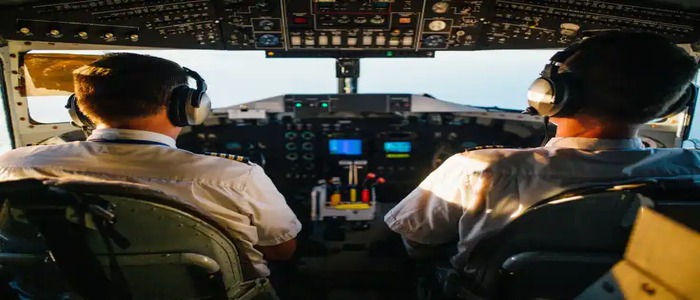
Before diving into futuristic equipment, let’s make clear what S.A actually means. In aviation, situational focus is the pilot’s capacity to understand what is occurring across the plane, why it’s going on, and what may appear subsequently. Think of it as an actual-existence superpower for staying “mentally ahead of the plane.”
Situational consciousness includes:
- Perceiving critical information (weather, plane reputation, altitudes, site visitors)
- Processing and making sense of that information
- Predicting future events or adjustments
Without robust situational consciousness, even the most experienced pilot can turn out to be beaten. With ERA, preserving situational recognition has turned out to be less difficult, quicker, and extra dependable.
AI and Machine Learning: The New Co-Pilot Improving

Artificial intelligence has stepped into aviation with an impressive entrance—almost like it walked down the runway in slow motion. AI tools now analyze real-time statistics to decorate situational focus, making flight operations smarter and more secure.
How AI boosts situational recognition:
- Predicts turbulence and weather modifications
- Identifies plane proximity threats
- Monitors engine and device overall performance
- Alerts pilots to uncommon flight patterns
- Supports faster choice-making
AI complements situational focus through filtering hundreds of statistical points and providing what actually matters most effectively, lowering pilot workload and enhancing protection margins.
Augmented Reality (AR) and Virtual Reality (VR) Training

Training is where situational awareness truly starts to evolve. AR and VR technology in 2025 has taken aviation training from conventional schoolrooms to immersive, hyper-practical reports.
AR/VR enhances situational awareness through:
- Simulating emergency eventualities
- Repeating complicated situations adequately
- Training pilots to react faster
- Improving spatial understanding
- Providing actual-time operational feedback
Pilots who educate in AR/VR environments increase superior situational focus due to the fact they’re exposed to conditions that are otherwise not possible to exercise safely in actual life.
Next-Gen Cockpit Displays Improving
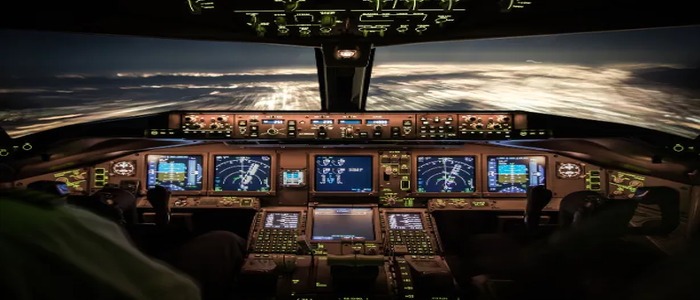
Modern cockpits in 2025 appear to be something directly out of a sci-fi film—minus the extraterrestrial beings (thus far). Advanced shows now combine a couple of data sources to enhance situational recognition.
These displays aid situational recognition by imparting:
- Synthetic vision systems (SVS)
- Enhanced imaginative and prescient structures (EVS)
- Real-time weather overlays
- Heads-Up Displays (HUDs)
- Touchscreen avionics
Instead of scanning dozens of contraptions, pilots see the entirety on intuitive, customizable monitors that support S.A in each phase of flight.
Big Data & Real-Time Analytics: A Game-Changer
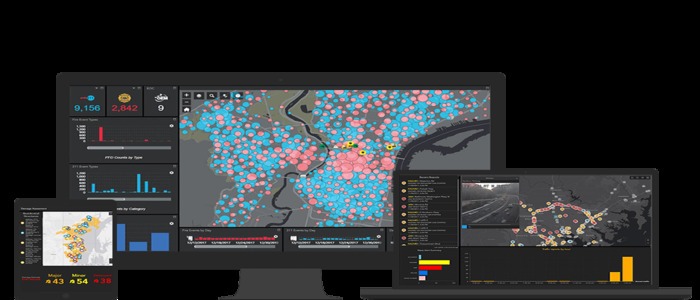
In 2025, aviation runs on data. Massive amounts of information from satellites, sensors, airports, and aircraft systems are used to improve operational S.A.
Data improves situational awareness through:
- Live flight path predictions
- Maintenance forecasting
- Early conflict detection
- Environmental monitoring
- Operational efficiency tracking
By using real-time analytics, pilots and air traffic controllers stay updated on every little change that could impact.
Automation and Smart Avionics Supporting
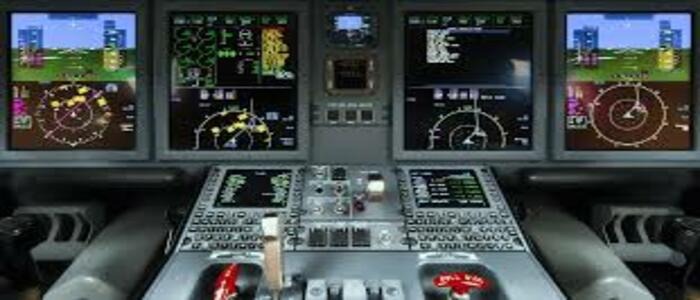
Automation in aviation is not about replacing pilots—it’s about supporting situational awareness by reducing workload, especially during high-stress phases like takeoff and landing.
Automation enhances situational awareness by:
- Reducing manual workload
- Providing auto-detection alerts
- Maintaining stability in complex conditions
- Monitoring multiple systems simultaneously
With smart avionics, pilots can focus more on decision-making and maintaining strong, instead of performing repetitive manual tasks.
Satellite Connectivity Enhancing Situational Awareness in Remote Regions

In 2025, aviation connectivity has stepped up. Satellite-based communication systems dramatically improve, especially on long-haul or remote routes where traditional signals weaken.
Connectivity boosts situational awareness by:
- Providing real-time global weather
- Allowing continuous aircraft tracking
- Improving communication with ATC
- Offering live navigation updates
This ensures that even in the middle of the ocean or desert, pilots maintain full without blind spots.
Predictive Maintenance and Situational Awareness for Aircraft Safety
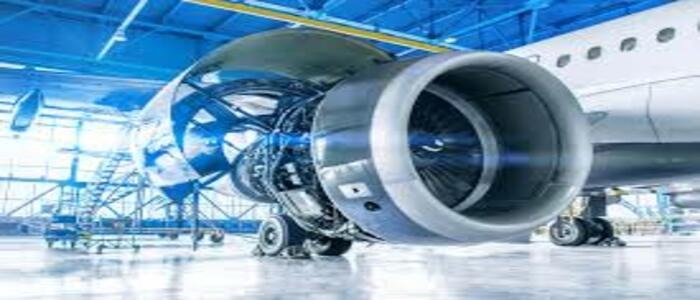
Maintenance is a critical factor in flight safety, and predictive technology in 2025 uses sensors and analytics to improve situational awareness regarding aircraft health.
Predictive tools :
- Warning pilots of potential failures
- Detecting anomalies early
- Reducing unexpected breakdowns
- Supporting smart maintenance planning
When pilots understand the “health status” of the aircraft, their awareness becomes sharper, enabling better decision-making.
Human Factors and Cognitive Tools Boosting

Aviation psychology has grown significantly. Instead of just focusing on hardware, experts now develop tools that strengthen mental and cognitive skills in pilots.
Human factor technologies help situational awareness by:
- Monitoring pilot fatigue
- Detecting stress indicators
- Offering real-time workload balancing
- Improving concentration
- Enhancing teamwork and communication
Drones, UAVs, and Enhanced Situational Awareness
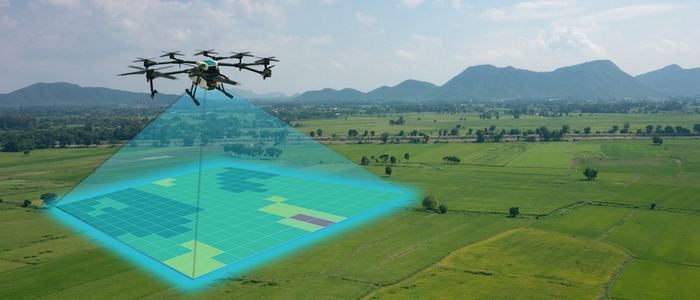
The rise of drones in 2025 has introduced new ways of building situational awareness, especially in complex air spaces.
Tech improving drone situational awareness includes:
- Sense-and-avoid systems
- Geo fencing
- Autonomous navigation
- Real-time mapping
The Future of Situational Awareness in Aviation Beyond 2025
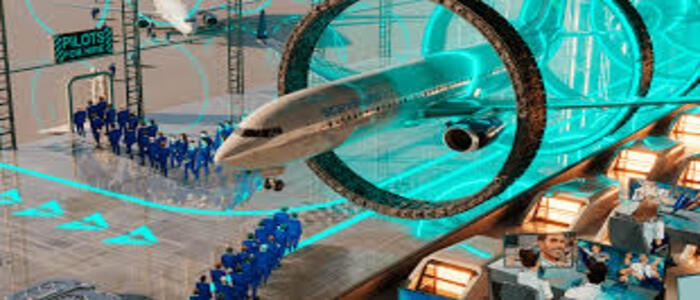
Technology will continue advancing, giving pilots even stronger S.A tools through:
- Quantum-based navigation
- Smarter AI copilots
- Full 3D holographic displays
- Autonomous traffic management systems
- Hyper-connected global data networks
The future is bright—and highly aware.
Conclusion

Technology is transforming situational awareness in aviation faster than ever before. From AI and AR to advanced displays and predictive analytics, every tool introduced in 2025 makes the skies safer, pilots more informed, and aviation more efficient. As long as the aviation industry continues embracing innovation, S.A will reach levels we never imagined possible. And yes—the future cockpit might look like Iron Man’s suit, but that’s a conversation for another article.
FAQs

1. What is ( SA) situational awareness in aviation and why is it important?
SA in aviation refers to a pilot’s ability to understand the environment, aircraft status, and future conditions. Strong S.A is essential for safe decision-making and smooth flight operations.
2. How does AI improve situational awareness for pilots?
AI enhances SA by analyzing huge data sets, predicting risks, and alerting pilots to critical information faster than manual methods.
3. Can technology completely replace pilot situational awareness?
No—technology supports but doesn’t replace human SA. Pilots must still interpret data and make final decisions.
4. How does training improve situational awareness in aviation?
Modern AR/VR training immerses pilots in realistic scenarios, helping them build stronger, more instinctive SA skills.
5. How will future aviation technology impact situational awareness?
Future advancements—like quantum sensors and holographic displays—will continue to enhance situational awareness, making flights safer and more efficient.
Facebook: https://www.facebook.com/profile.php?id=61556242913524
Instagram: https://www.instagram.com/contentflyers0/
Twitter: https://www.twitter.com/contentflyers0/
Pinterest: https://www.pinterest.com/contentflyers0/
Reddit: https://www.reddit.com/user/contentflyers0
Medium: https://medium.com/@contentflyers0/