
Traveler behavior insights in aviation are no longer a “nice-to-have” concept reserved for airline marketing teams with too much coffee and too many dashboards. Today, tourist behavior insights in aviation take a seat at the heart of airline protection, profitability, client pride, and long-term survival.
From how passengers e-book tickets, select seats, respond to delays, and react emotionally at 35,000 feet—every conduct tells a story. Airlines that apprehend these testimonies thrive. Airlines that ignore them? Well… they grow to be case research.
This data-driven guide breaks down traveler behaviour insights in aviation in a clear, friendly, and occasionally entertaining way—because aviation can be serious and engaging at the same time.
Introduction

Let’s be honest: modern air travelers are complicated.
They want cheap tickets, five-star service, instant refunds, no delays, extra legroom, and free snacks—preferably all at once. Understanding this contradiction is exactly why traveler behavior insights in aviation have become mission-critical.
In today’s YMYL-sensitive aviation environment—where safety, financial decisions, and trust matter—airlines must rely on data-backed traveler behaviour insights in aviation rather than assumptions, gut feelings, or “we’ve always done it this way” thinking.
This article explores:
- What traveler behaviour insights in aviation really mean
- Why they matter more than ever
- How airlines collect and analyze passenger behavior
- Key behavior trends shaping aviation today
- Risks, ethics, and trust factors
- Practical strategies airlines can apply immediately
Fasten your seatbelt—we’re taxiing into insights.
What Are Traveler Behaviour Insights in Aviation?
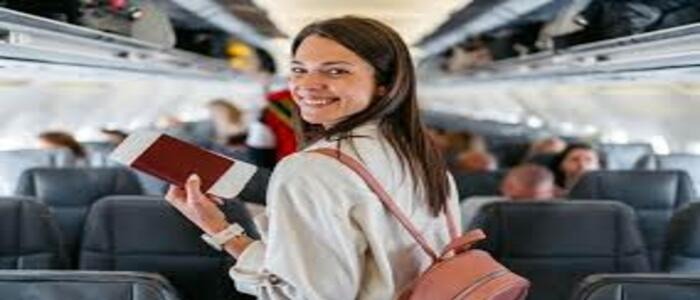
Traveler behaviour insights in aviation refer to the analysis and interpretation of passenger actions, preferences, emotions, and decision-making patterns throughout the entire air travel journey.
These insights are derived from:
- Booking behavior
- Check-in choices
- Airport navigation habits
- In-flight interactions
- Post-flight feedback
In simple terms, traveler behaviour insights in aviation explain why passengers behave the way they do, not just what they do.
Why Traveler Behaviour Insights in Aviation Matter (More Than Ever)

Airlines operate in one of the most high-risk YMYL industries on the planet. A single bad decision—operational, financial, or customer-facing—can damage trust instantly.
Traveler behaviour insights in aviation help airlines:
- Reduce operational inefficiencies
- Improve safety communication
- Increase customer loyalty
- Personalize services responsibly
- Optimize pricing strategies
- Enhance crisis management
Ignoring traveler behavior insights in aviation is like flying without instruments—technically possible, but highly discouraged.
The Modern Air Traveler: A Behavioural Evolution
Traveler behavior insights in aviation reveal that passengers today are not the same as they were even five years ago.
Key Behavioural Shifts
- Digital-first booking habits
- Higher sensitivity to delays and transparency
- Increased focus on health, hygiene, and safety
- Strong emotional responses to service failures
- Growing expectation of personalization
Traveler behavior insights in aviation show that experience now matters as much as price—sometimes more.
Booking Behavior: Where It All Begins

Booking is the first major data point in traveler behaviour insights in aviation.
What Airlines Learn from Booking Behavior
- Preferred booking times
- Device usage (mobile vs desktop)
- Sensitivity to price changes
- Add-on purchasing patterns
Traveler behavior insights in aviation show that:
- Leisure travelers book earlier
- Business travelers book closer to departure
- Transparent pricing increases trust
- Hidden fees reduce loyalty
Yes, passengers remember that surprise baggage fee.
Pre-Flight Behavior at Airports
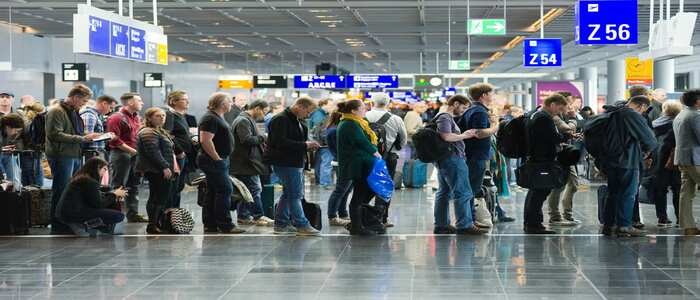
Airports are goldmines for traveler behavior insights in aviation.
Observed Passenger Behaviors
- Early arrival due to anxiety
- Queue avoidance strategies
- Over-reliance on mobile apps
- Stress spikes during security checks
Traveler behavior insights in aviation help airports and airlines:
- Improve way finding
- Reduce congestion
- Optimize staffing
- Enhance communication clarity
Calm passengers are cooperative passengers—and cooperative passengers make operations smoother.
In-Flight Behavior: Psychology at 35,000 Feet

Once airborne, traveler behavior insights in aviation become deeply psychological.
Passengers are:
- Confined
- Time-sensitive
- Emotionally reactive
- Highly aware of service quality
Common In-Flight Behavior Patterns
- Increased sensitivity to tone
- Higher expectation of empathy
- Reduced tolerance for ambiguity
- Strong reactions to announcements
Traveler behavior insights in aviation prove that how something is said matters as much as what is said.
Post-Flight Behavior and Loyalty Formation
The journey doesn’t end at landing.
Traveler behavior insights in aviation extend to:
- Feedback submissions
- Social media reactions
- Review platforms
- Loyalty program engagement
A delayed response to a complaint can undo years of brand trust. Data shows that timely empathy beats perfect compensation.
Data Sources Used for Traveler Behavior Insights in Aviation
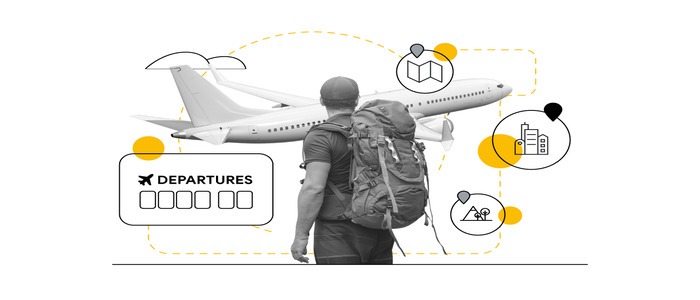
To meet E-E-A-T and YMYL standards, airlines rely on verified, ethical, and secure data sources.
Primary Data Sources
- Booking systems
- CRM platforms
- Mobile apps
- Surveys and NPS
- Airport sensors
- Loyalty programs
Traveler behavior insights in aviation must be accurate, consent-based, and transparent to maintain trust.
AI and Analytics in Traveler Behavior Insights in Aviation
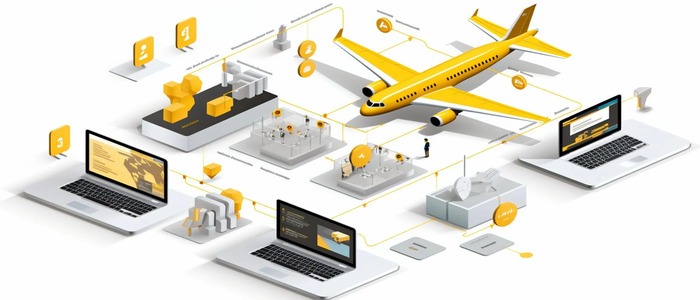
Artificial intelligence has supercharged traveler behavior insights in aviation.
AI Capabilities
- Predictive behavior modeling
- Sentiment analysis
- Demand forecasting
- Personalization engines
However, E-E-A-T principles demand human oversight. Algorithms assist—but humans remain accountable.
Benefits of Traveler Behavior Insights in Aviation

Operational Benefits
- Better crew allocation
- Improved boarding efficiency
- Reduced disruptions
Customer Experience Benefits
- Personalized services
- Clearer communication
- Faster issue resolution
Financial Benefits
- Smarter pricing
- Increased ancillary revenue
- Higher lifetime customer value
Traveler behavior insights in aviation directly impact profitability—without compromising safety or ethics.
Risks and Ethical Concerns (YMYL Compliance)
Because aviation affects finances and safety, traveler behavior insights in aviation must be handled responsibly.
Potential Risks
- Data misuse
- Privacy violations
- Biased algorithms
- Over-automation
Trust-Building Practices
- Clear data policies
- Passenger consent
- Explainable AI
- Regulatory compliance
Trust is not optional in aviation—it’s foundational.
How Airlines Can Apply Traveler Behaviour Insights Effectively
Best Practices
- Align data with real passenger needs
- Train staff in behavioral awareness
- Use insights to support—not replace—human judgment
- Communicate transparently
- Continuously validate data quality
Traveler behavior insights in aviation are powerful only when used responsibly.
Future Trends in Traveler Behaviour Insights in Aviation

Looking ahead, traveler behavior insights in aviation will focus on:
- Emotional analytics
- Sustainability-driven choices
- Hyper-personalized journeys
- Seamless multi modal travel
- Trust-centric data ecosystems
The future traveler is data-aware, value-driven, and experience-focused.
Conclusion

Traveler Behavior Insights in Aviation are no longer optional—they are essential tools for modern airlines navigating complexity, competition, and customer expectations.
When used responsibly, traveler behavior insights in aviation:
- Strengthen trust
- Improve safety
- Drive smarter decisions
- Create better passenger experiences
And let’s be honest—happy passengers complain less, tweet nicer things, and actually come back.
Data doesn’t replace humanity in aviation.
It supports it.
Frequently Asked Questions (FAQs)

1. What are traveler behavior insights in aviation?
Traveler behavior insights in aviation analyze passenger actions, emotions, and decision-making patterns to improve safety, service, and operational efficiency.
2. Why are traveler behavior insights in aviation important for airlines?
They help airlines enhance passenger experience, optimize operations, increase loyalty, and make safer, data-driven decisions.
3. How do airlines collect traveler behavior insights in aviation?
Airlines use booking data, surveys, mobile apps, loyalty programs, and analytics platforms while following privacy and consent regulations.
4. Are traveler behavior insights in aviation safe and ethical?
Yes—when collected transparently, securely, and in compliance with aviation regulations and YMYL standards.
5. How will traveler behavior insights in aviation evolve in the future?
They will increasingly rely on AI, emotional intelligence, sustainability data, and personalized yet privacy-first analytics.
Facebook: https://www.facebook.com/rehan.ghauri
Linkedin: https://www.linkedin.com/rehan-ghauri/
Instagram: https://www.instagram.com/contentflyers0/
Twitter: https://www.x.com/Rghauri1977
Pinterest: https://www.pinterest.com/contentflyers0/
Reddit: https://www.reddit.com/user/contentflyers0
Medium: https://medium.com/@contentflyers0/