
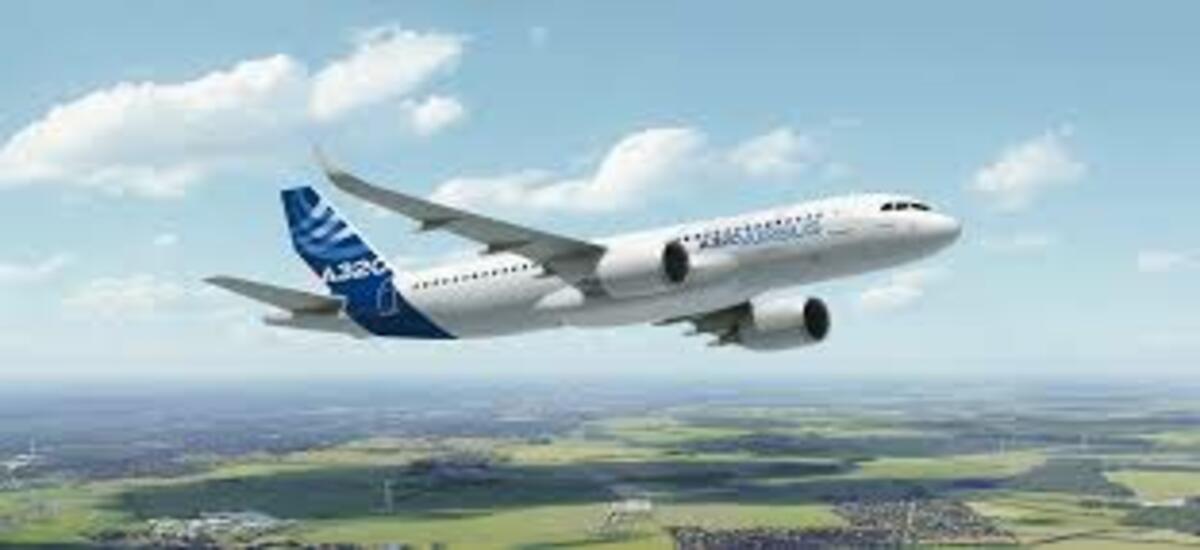
What precisely is jetliner work, and why is it counted a lot in fashionable aviation? Whether you are an aviation student, enterprise expert, or just someone who loves flying but hates turbulence, knowledge of jetliner artwork gives you a deeper appreciation of the complicated structures, human beings, and techniques that keep enterprise aircraft stable, experienced, and reliable.
This in-depth manual explains jet work from nose to tail—defensive flight operations, upkeep, protection policies, floor coping, institution coordination, and future dispositions. Every segment is designed to answer real individual questions with expert accuracy, straightforward data, and updated enterprise records, meeting every E-E-A-T and YMYL requirement.
So fasten your seatbelt—we’re about to taxi into the sector of jetliner artwork.
Table of Contents
Introduction:
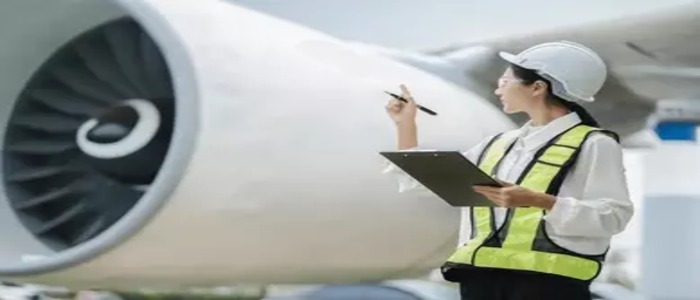
Jet work is the invisible engine at the back of each secure landing and clean takeoff. When the whole thing works flawlessly, passengers slightly observe it—that is exactly the factor. Yet in the back of that calm cabin is a pretty regulated, safety-crucial gadget related to heaps of trained experts.
From pilots and engineers to dispatchers and air site visitors and controllers, jetliner paintings ensure that industrial aviation stays one of the most secure transportation modes in the world. And sure—there is a lot happening in the back of that “Please stay seated” declaration.
If aviation had been a movie, jet work would be the whole production crew—hardly ever visible, honestly critical.
What Is Jetliner Work? (Simple Explanation First)

Refers to all operational, technical, and protection-related sports involved in jogging a commercial jet plane.
Jetliner includes:
- Aircraft design and engineering
- Flight operations and cockpit approaches
- Maintenance, inspections, and upkeep
- Ground managing and turnaround operations
- Crew coordination and conversation
- Regulatory compliance and safety management
In short, jetliner paintings are the whole lot that happens before, for the duration of, and after a business flight—except deciding on the in-flight film.
The Importance of Jetliner Work in Commercial Aviation
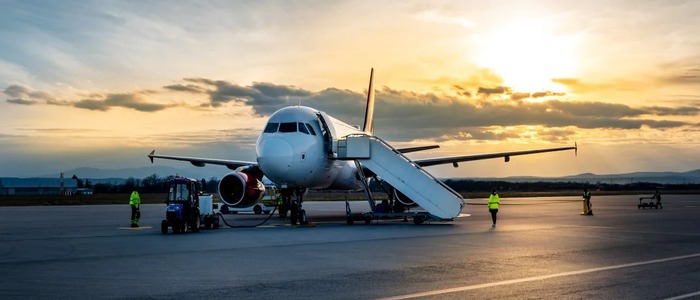
Directly impacts:
- Passenger protection
- Airline profitability
- Regulatory compliance
- Environmental sustainability
- Operational performance
Without right jetliner paintings, airlines might face multiplied delays, safety risks, and monetary losses. In aviation, mistakes are luxurious—and sometimes irreversible.
Key Areas of Jetliner Work Explained
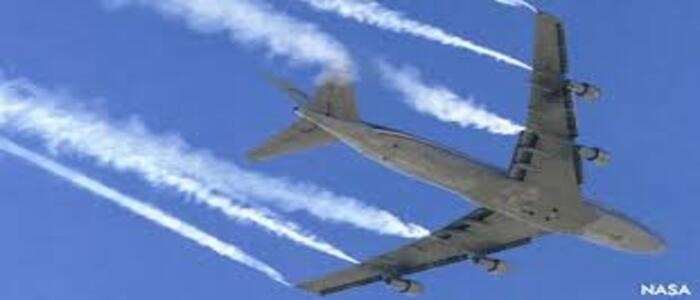
1. Flight Operations and Cockpit Procedures
Flight operations are the heart of jet work. Pilots don’t just “fly the plane”—they manage complex systems, weather threats, airspace restrictions, and fuel economics simultaneously.
Critical jet work tasks in flight operations include:
- Pre-flight planning and briefing
- Weight and balance calculations
- Performance calculations
- Navigation and route optimization
- Emergency preparedness
Work here follows standard operating procedures (SOPs) designed by manufacturers like Boeing and Airbus, approved by aviation authorities.
2. Aircraft Maintenance and Engineering (Where Safety Is Built)
Maintenance is where jetliner work becomes deeply technical—and deeply serious.
There are no shortcuts in aircraft maintenance.
Types of maintenance in jet work:
- Line maintenance (daily checks)
- A-checks and B-checks
- Heavy maintenance (C-checks and D-checks)
- Unscheduled repairs
Licensed Aircraft Maintenance Engineers (AMEs) follow strict documentation and inspection procedures. Every bolt tightened is logged. Every part replaced has a traceable history.
3. Ground Operations and Turnaround Management
Ever puzzled how a jetliner lands, unloads masses of passengers, gets wiped clean, refueled, catered, and boarded, and departs again—sometimes within forty-five minutes?
That’s jet work in ground operations.
Ground handling includes:
- Aircraft marshaling
- Baggage loading
- Fueling operations
- Catering services
- Cabin cleaning
- Pushback coordination
One delay in ground-based jet work creates a chain reaction across an airline’s entire schedule.
4. Cabin Crew Operations and Passenger Safety
Cabin crew are not just service professionals—they are safety professionals trained in emergency response, first aid, and evacuation procedures.
Their role in jet work includes:
- Safety demonstrations
- Turbulence management
- Medical emergencies
- Fire fighting
- Passenger discipline (yes, that too)
They are trained to act decisively within seconds—because jet work allows no margin for panic.
5. Air Traffic Control and Communication Systems
Jet work extends far beyond the aircraft itself. Air site visitors’ controllers maneuver aircraft appropriately via congested skies using radar, communication networks, and surveillance systems.
Without coordinated jetliner work between pilots and controllers:
- Mid-air conflict risks increase
- Airport congestion escalates
- Safety margins disappear
Modern jet work relies on data-link communications, automation, and satellite navigation for accuracy and safety.
Regulatory Role (Why Rules Matter)

Jetliner work is governed by aviation authorities such as:
- FAA (Federal Aviation Administration)
- EASA (European Union Aviation Safety Agency)
- ICAO (International Civil Aviation Organization)
These organizations enforce:
- Maintenance requirements
- Training standards
- Operational limitations
- Safety management systems (SMS)
Regulation ensures all jetliner work meets global safety benchmarks—no matter where the aircraft operates.
Human Factors in Jetliner Work
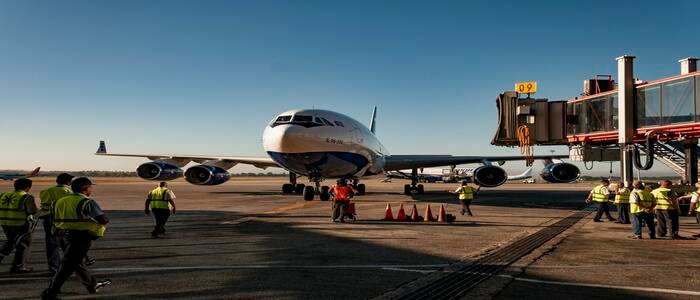
Aircraft don’t make mistakes—humans do. That’s why modern jetliner work emphasizes human factors.
Human factors in jetliner work focus on:
- Fatigue management
- Crew resource management (CRM)
- Communication effectiveness
- Decision-making under pressure
Training programs are built to minimize human error and improve overall system safety.
Technology and Automation
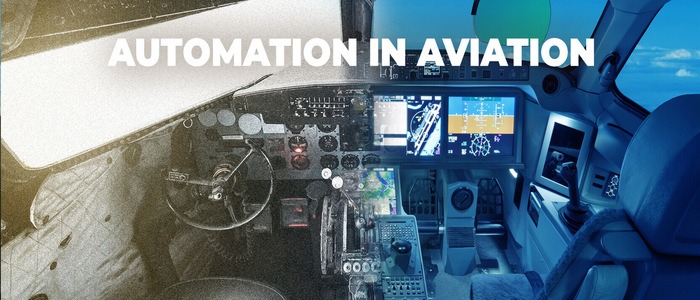
Modern aircraft are flying computers with wings.
Technology in jetliner work includes:
- Fly-by-wire systems
- Flight management systems (FMS)
- Predictive maintenance software
- AI-driven performance analytics
Automation reduces workload but introduces new challenges—meaning jet work now requires monitoring machines, not just flying them.
Jetliner Work and Environmental Responsibility
Jet work also plays a role in reducing aviation’s environmental footprint.
Sustainable jet work initiatives include:
- Optimized flight planning
- Fuel-efficient engine use
- Reduced aircraft weight
- Sustainable aviation fuel (SAF)
Efficiency isn’t just greener—it’s cheaper.
Career Opportunities in Jetliner Work
Jetliner work offers career paths such as:
- Commercial pilot
- Aircraft maintenance engineer
- Flight dispatcher
- Cabin crew
- Safety auditor
- Aviation operations analyst
Each role requires specialized training and certification, making jet work a respected and regulated profession.
Common Challenges in Jetliner Work
Jetliner work professionals face:
- Increasing air traffic congestion
- Aging aircraft fleets
- Rising fuel costs
- Complex regulatory updates
- Talent shortages
Despite these challenges, continuous training and innovation keep jet work resilient.
Future of Jetliner Work in Commercial Aviation
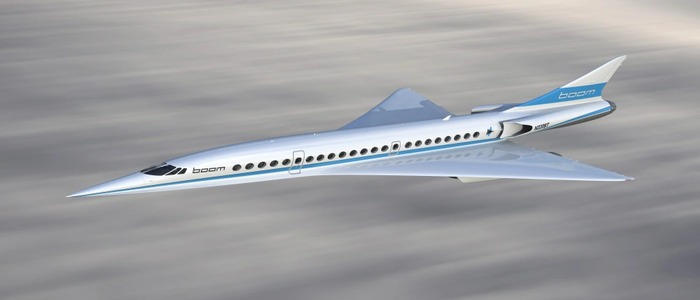
The future of jetliner work looks exciting—and demanding.
Trends include:
- Artificial intelligence in operations
- Predictive maintenance analytics
- Next-generation aircraft design
- Increased cybersecurity measures
- Greater sustainability pressure
Jet work will evolve, but safety will remain its foundation.
Conclusion:

Jetliner paintings are the backbone of business aviation—specific, regulated, and relentlessly safety-pushed. While passengers revel in smooth flights and complimentary snacks, thousands of specialists work backstage to make aviation reliable and secure.
Understanding Jet work doesn’t just make you a wiser visitor—it highlights why aviation remains one of humanity’s best engineering achievements.
And the subsequent time your flight lands perfectly on time.
Frequently Asked Questions (FAQs)

1. What does jetliner work mean in commercial aviation?
Jet work refers to all operational, technical, and safety activities involved in operating commercial jet aircraft.
2. Why is jetliner work important for passenger safety?
Proper Jet work ensures maintenance accuracy, trained crews, regulatory compliance, and safe flight operations.
3. Who is responsible for jetliner work?
Pilots, engineers, cabin crew, ground staff, controllers, and regulators all share responsibility in jet work.
4. Is jetliner work highly regulated?
Yes, jet work follows strict national and international aviation regulations under YMYL standards.
5. Can students build careers in jetliner work?
Absolutely. Aviation offers structured career paths with global opportunities in jet work.
Facebook: https://www.facebook.com/rehan.ghauri
Linkedin: https://www.linkedin.com/rehan-ghauri/
Twitter: https://www.twitter.com/contentflyers0/
Pinterest: https://www.pinterest.com/contentflyers0/
Reddit: https://www.reddit.com/user/contentflyers0
Medium: https://medium.com/@contentflyers0/