
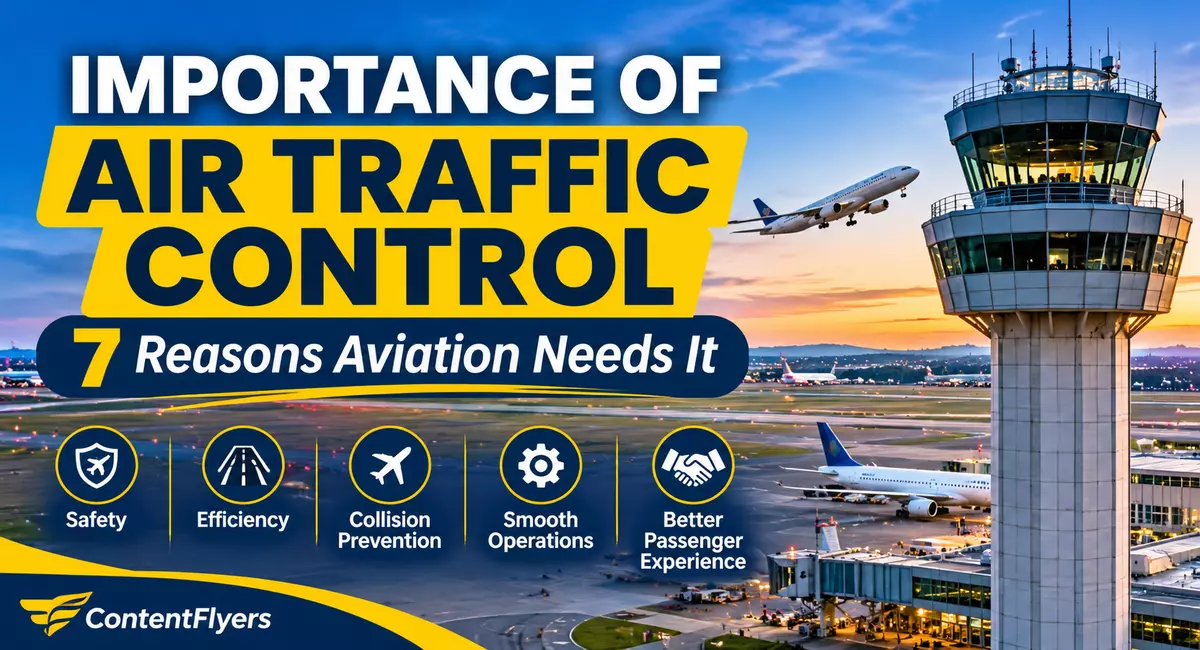
Importance of Air Traffic Control (ATC) is one of the most essential components of modern aviation, helping aircraft operate safely and efficiently across busy airports and international airspace. From preventing aircraft collisions and coordinating takeoffs and landings to managing airspace capacity and supporting emergency situations, ATC plays a critical role in maintaining aviation safety. This article explores the importance of air traffic control, its seven essential functions, the technologies used by modern controllers, and the challenges shaping the future of aviation. Whether you are an aviation student, airport professional, airline employee, or aviation enthusiast, this guide explains how air traffic control supports safer flights and more efficient airport operations.
Table of Contents
Introduction
Every day, thousands of aircraft travel across international airspace, connecting cities, countries, and continents. Behind these flights is a highly coordinated aviation system that helps aircraft move safely and efficiently. One of its most important components is air traffic control (ATC).
The importance of air traffic control goes far beyond directing aircraft during takeoff and landing. It involves coordinating flight movements, maintaining safe separation between aircraft, monitoring airspace, managing airport traffic, and supporting pilots during unexpected situations. Without effective air traffic control services, managing modern aviation traffic would become significantly more complicated and potentially dangerous.
As commercial aviation continues to expand, airports and airlines face increasing pressure to improve operational efficiency while maintaining strict safety standards. Air traffic controllers play a central role in meeting these demands by coordinating aircraft movements through different phases of flight.
From busy international airports to smaller regional airfields, air traffic control supports safe and orderly aviation operations. It also helps improve communication between pilots, airport authorities, and other aviation stakeholders.
In this comprehensive guide, we explore the importance of air traffic control, its seven essential functions, the technologies behind modern ATC operations, and the challenges shaping its future.
What Is Air Traffic Control?
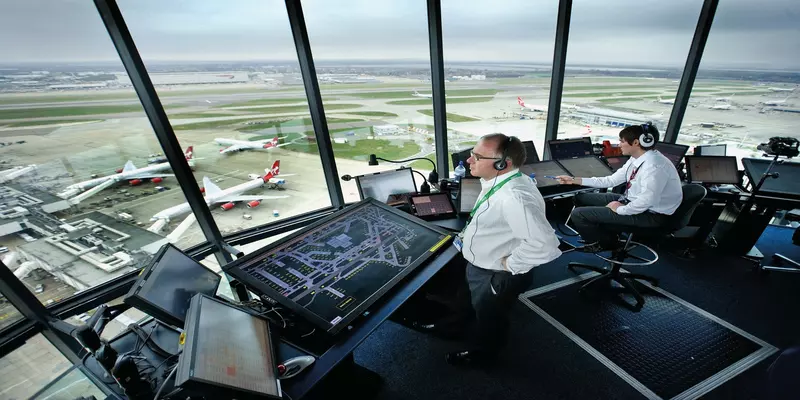
Air traffic control is a service provided by trained professionals who coordinate aircraft movements in controlled airspace and at airports. Its primary purpose is to prevent collisions between aircraft, prevent collisions between aircraft and obstructions on the airport maneuvering area, and maintain an orderly flow of air traffic.
Air traffic controllers communicate with pilots using established radio phraseology, procedures, and clearances. They provide instructions concerning aircraft headings, altitudes, routes, runway operations, and other movement requirements according to the applicable rules and procedures.
Air traffic control is an essential part of the wider air traffic management system. While ATC focuses on controlling and separating aircraft, air traffic management also includes airspace management and air traffic flow management.
The main objectives of air traffic control include:
- Maintaining safe separation between aircraft.
- Coordinating aircraft arrivals and departures.
- Managing aircraft movements on airport maneuvering areas.
- Providing pilots with relevant traffic and weather information.
- Supporting emergency and abnormal flight situations.
- Maintaining an orderly flow of air traffic.
- Helping airports use available operational capacity efficiently.
These responsibilities make air traffic control one of the foundations of modern aviation safety.
Why Is Air Traffic Control Important in Aviation?
The importance of air traffic control becomes clear when we consider the number of aircraft operating simultaneously within the global aviation network.
Aircraft operate at different altitudes, speeds, routes, and distances. At major airports, several aircraft may be approaching, landing, taxiing, or preparing for departure at the same time.
Without proper coordination, these movements could create serious safety and operational challenges.
Air traffic control provides an organized system for managing these activities. It connects pilots with ground-based control facilities and helps maintain situational awareness throughout different stages of flight.
The following seven reasons explain why air traffic control is essential to the aviation industry.
1. Preventing Aircraft Collisions
Preventing collisions is one of the most important responsibilities of air traffic control.
Aircraft travelling through busy airspace must maintain prescribed separation standards. These standards help prevent conflicts between aircraft operating at similar altitudes, approaching the same airport, or following intersecting routes.
Air traffic controllers monitor aircraft positions using surveillance systems where available, including radar and other approved technologies. They also use flight plans, position reports, communication systems, and established procedures to understand traffic movements.
When aircraft are approaching a potential conflict, controllers may issue instructions to adjust altitude, heading, or speed, depending on the operational situation and applicable separation requirements.
For example, two aircraft may be operating on routes that could bring them too close to each other. ATC can coordinate their movements to maintain the required separation.
Collision prevention also applies to airport surface operations. Controllers coordinate aircraft movements on runways and relevant maneuvering areas to reduce the risk of conflicts between aircraft and other obstructions.
Why it matters:
- Reduces the risk of mid-air collisions.
- Helps maintain safe distances between aircraft.
- Supports organized arrival and departure sequences.
- Reduces the possibility of runway conflicts.
- Strengthens overall aviation safety.
Aircraft collision prevention is therefore a fundamental reason why air traffic control is indispensable to commercial and general aviation.
2. Improving Aviation Safety
Aviation safety depends on multiple layers of protection, including aircraft maintenance, pilot training, operational procedures, airport infrastructure, and effective air traffic services.
Air traffic control contributes to this safety framework by coordinating aircraft movements and providing pilots with important operational information.
Controllers communicate with pilots about traffic conditions, relevant weather information, runway availability, and operational restrictions.
For example, changing weather conditions may affect visibility, approach procedures, or the availability of particular runways. ATC coordinates with pilots and relevant operational units to manage these conditions in accordance with established procedures.
Air traffic control also plays an important role during abnormal and emergency situations. If an aircraft reports a technical problem, medical emergency, or other operational difficulty, controllers can coordinate with pilots and relevant services to support the response.
This may include:
- Giving priority to an aircraft when required.
- Coordinating suitable landing arrangements.
- Informing relevant airport emergency services.
- Managing surrounding traffic.
- Providing information to support an orderly emergency response.
However, ATC is not the only authority responsible for flight safety. The pilot-in-command retains responsibility and final authority for the safe operation of the aircraft.
The combination of professional controllers, trained pilots, established procedures, and reliable communication creates a stronger aviation safety environment.
3. Managing Aircraft Movement at Airports
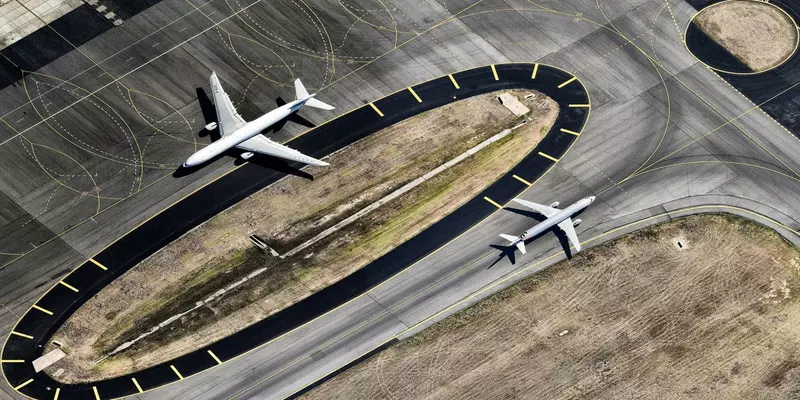
Airports are complex operational environments where aircraft, ground support equipment, vehicles, and airport personnel work within shared spaces.
Managing these activities requires continuous communication and coordination.
Air traffic control plays a significant role in coordinating aircraft movements from landing to parking and from parking to departure.
At an airport, tower controllers provide relevant clearances and instructions for runway and other controlled movements. Ground control functions, where provided, coordinate aircraft taxiing and other movements in the maneuvering area.
A typical aircraft movement sequence involves:
Arrival:
- The approaching aircraft communicates with the appropriate ATC unit.
- Approach control manages the aircraft’s arrival and sequencing.
- Tower control provides relevant landing clearance.
- After landing, the aircraft receives taxi instructions.
- The aircraft proceeds towards its assigned parking stand in coordination with airport operations.
Departure:
- The aircraft completes its pre-departure preparations.
- The flight crew obtains the necessary clearance.
- The aircraft receives pushback coordination and taxi instructions under applicable airport procedures.
- Tower control manages runway access and departure sequencing.
- The aircraft receives takeoff clearance when the required conditions are satisfied.
The precise responsibilities and transfer points differ between airports and their operating arrangements.
The Relationship Between ATC and Ground Handling Operations
Air traffic control and ground handling teams perform different but closely connected responsibilities.
Ground handling companies provide services such as passenger handling, baggage loading, aircraft turnaround coordination, ramp services, and ground support equipment operations.
ATC coordinates and controls relevant aircraft movements, while ground handling teams manage their assigned operational activities under airport rules and procedures.
For example, a ground handling team may complete baggage loading, passenger boarding, and other turnaround activities. Once the aircraft is ready for departure, the flight crew follows the required clearance and coordination process.
Effective communication between these stakeholders helps reduce misunderstandings, improve turnaround coordination, and support safe airport operations.
This relationship demonstrates that airport efficiency is not achieved by one department alone. It depends on cooperation between airlines, ATC, airport authorities, ground handlers, and other service providers.
4. Reducing Flight Delays and Improving Operational Efficiency
Flight delays affect passengers, airlines, airports, and aviation service providers.
Although delays can occur for many reasons, including adverse weather, technical problems, security requirements, and airport capacity limitations, effective air traffic management can help reduce unnecessary disruption.
Air traffic controllers manage aircraft movements according to available capacity, traffic conditions, and operational requirements.
For example, when several aircraft are approaching a busy airport, controllers must organize their arrival sequence while maintaining the required separation standards.
Similarly, departing aircraft may need to wait for suitable runway availability or traffic sequencing.
Air traffic flow management also helps coordinate demand across wider airspace networks. It may involve adjusting departure times, managing traffic restrictions, and coordinating alternative routes when required.
These measures help prevent excessive demand from overwhelming particular airports or airspace sectors.
How Importance of Air Traffic Control Supports Operational Efficiency
Air traffic control and traffic flow management contribute to more efficient operations through:
- Organized aircraft arrival and departure sequences.
- Better coordination of available runway capacity.
- Reduced unnecessary holding and airborne congestion where operational conditions permit.
- Coordination during adverse weather.
- Improved communication between aviation stakeholders.
- Better management of airspace restrictions.
However, air traffic control cannot eliminate every delay. Safety requirements must always take priority over punctuality.
For airlines, effective coordination can help improve aircraft utilization, schedule reliability, fuel planning, and passenger satisfaction.
For passengers, better traffic management can contribute to more predictable journeys and fewer avoidable disruptions.
5. Supporting Aircraft During Emergency Situations
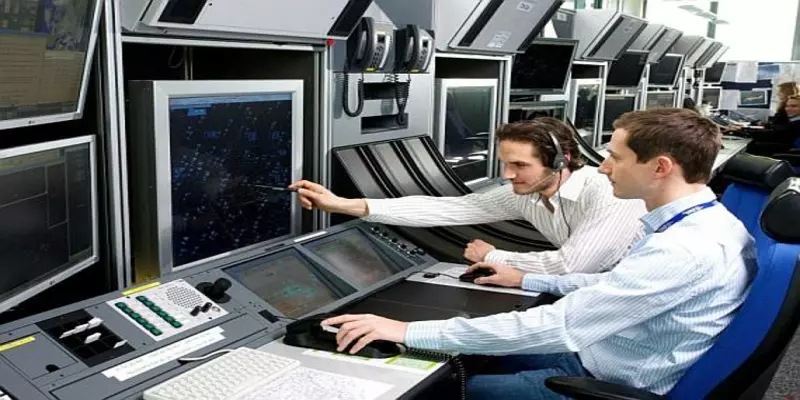
Emergency situations require quick communication, accurate information, and effective coordination.
Aircraft emergencies may involve engine problems, cabin smoke, medical incidents, hydraulic failures, technical warnings, or other unexpected situations.
When a pilot declares an emergency or reports a serious operational problem, ATC can assist by coordinating traffic and supporting the aircraft’s request.
Depending on the situation, controllers may:
- Give priority to the affected aircraft.
- Coordinate an appropriate approach and landing sequence.
- Keep other aircraft clear of the relevant area.
- Inform airport emergency response teams.
- Coordinate with neighbouring control units when necessary.
- Provide relevant operational information to the flight crew.
Example: Aircraft Declares an Emergency
Imagine an aircraft approaching a busy international airport reports a technical problem and requests priority landing.
The air traffic controller must coordinate the situation while considering the safety of all aircraft operating in the surrounding airspace.
The response may involve arranging a suitable landing sequence, coordinating runway availability, and alerting airport emergency services.
At the same time, other aircraft may need to receive revised instructions to maintain safe separation and avoid interfering with the emergency operation.
Airport rescue and firefighting services, medical teams, airline representatives, and other relevant departments may also be involved.
This example highlights the importance of communication, teamwork, and established emergency procedures.
Effective ATC coordination can help create the conditions for an orderly response, although the outcome also depends on the aircraft condition, crew decisions, weather, and available emergency resources.
6. Managing Airspace Capacity and Increasing Traffic Demand
Global aviation requires an organized system for managing the available airspace.
Different aircraft operate across national boundaries, flight information regions, and designated routes. Without effective coordination, increasing traffic demand could create congestion and operational conflicts.
Air traffic control helps maintain the orderly movement of aircraft within controlled airspace.
Controllers manage traffic according to sector capacity, aircraft separation requirements, route structures, and other operational conditions.
Air traffic management also includes strategic and tactical planning to make better use of available airspace.
Why Airspace Management Matters
Airspace management supports:
- Safe aircraft movement across different regions.
- Coordination between neighbouring air traffic control units.
- Management of restricted and prohibited areas.
- Efficient use of available airspace.
- Coordination between civil and military aviation where applicable.
- Better management of increasing flight demand.
For example, an aircraft travelling internationally may pass through several control sectors and different air navigation service provider areas.
As it moves from one sector to another, responsibility is transferred according to established coordination procedures.
This process requires accurate flight information, reliable communication, and cooperation between control units.
Effective airspace management is particularly important during periods of high traffic demand, severe weather, or temporary airspace restrictions.
7. Improving Passenger Experience and Airline Reliability
Passengers may not directly interact with air traffic controllers, but they benefit from the coordination ATC provides.
A well-managed air traffic system contributes to safer and more predictable flight operations.
When aircraft movements are coordinated effectively, airlines can better manage arrival and departure schedules, while airports can organize passenger and ground operations more efficiently.
For example, unexpected arrival delays can affect connecting passengers, baggage transfers, aircraft turnaround times, and subsequent departures.
Improved traffic coordination can help reduce the operational impact of some disruptions.
Benefits for Passengers
Effective air traffic management can contribute to:
- More predictable flight schedules.
- Better coordination of aircraft arrivals.
- Reduced unnecessary waiting.
- Improved operational safety.
- Better management of weather-related disruptions.
- More reliable connections between flights.
However, passenger satisfaction also depends on airline customer service, airport facilities, baggage handling, security processes, and other operational factors.
ATC supports the wider passenger journey by helping aircraft movements remain safe and orderly.
Different Types of Air Traffic Control Services
Air traffic control operates through different services and facilities, each responsible for particular operational environments.
Understanding these services helps explain how aircraft are managed throughout their journeys.
1. Aerodrome Control (Tower Control)
Aerodrome control is commonly associated with the airport control tower.
Tower controllers manage aircraft operations within the relevant aerodrome control area and provide clearances and instructions for runway operations and other controlled movements.
Their responsibilities include:
- Coordinating aircraft takeoffs and landings.
- Managing runway traffic.
- Providing relevant movement instructions.
- Coordinating aircraft traffic in the aerodrome vicinity.
2. Ground Control
Ground control manages aircraft and other authorized movements on the airport maneuvering area, excluding the runway, when that responsibility is assigned to another control position.
Its responsibilities may include:
- Providing taxi instructions.
- Coordinating aircraft movement between parking stands and runways.
- Managing relevant vehicle movements.
- Maintaining safe movement within the controlled area.
The exact division of responsibilities depends on the airport’s local procedures.
3. Approach Control
Approach control manages aircraft arriving at or departing from an airport within its assigned airspace.
It coordinates traffic sequences and helps aircraft transition between the en-route environment and the aerodrome.
Its responsibilities include:
- Managing arriving aircraft.
- Coordinating departure traffic.
- Maintaining aircraft separation.
- Sequencing aircraft for approach.
- Coordinating with area control and tower units.
4. Area Control (En-Route Control)
Area control manages aircraft operating through designated en-route airspace.
Controllers monitor aircraft positions and coordinate their movements across airspace sectors.
Their responsibilities include:
- Maintaining aircraft separation.
- Managing en-route traffic.
- Coordinating transfers between sectors.
- Monitoring traffic flows.
- Supporting safe and orderly international and domestic flight operations.
Together, these services help maintain coordination from departure to arrival.
Modern Technologies Used in Air Traffic Control
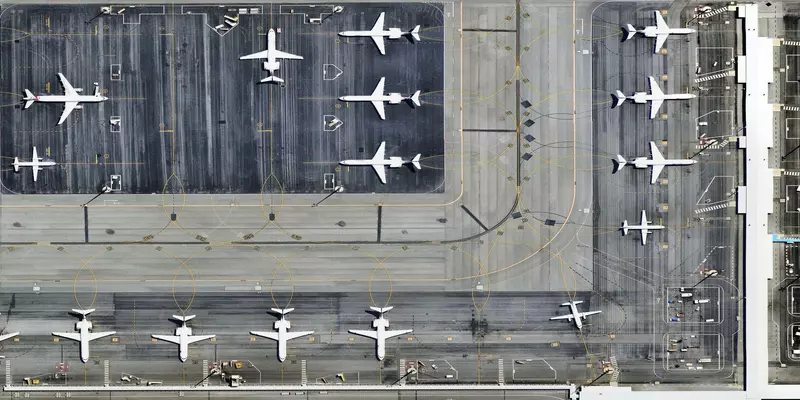
Technology has transformed the way air traffic controllers monitor and coordinate aircraft.
Traditional systems relied heavily on radio communication, ground-based navigation aids, and radar surveillance. Modern air traffic management uses a wider range of digital systems and integrated technologies.
These developments help improve situational awareness, information sharing, and operational planning.
1. Radar Surveillance Systems
Radar is an important surveillance technology used in many air traffic control environments.
Primary radar detects aircraft by transmitting radio waves and receiving reflected signals.
Secondary surveillance radar works through interaction with aircraft transponders, providing additional information such as aircraft identification and altitude when supported.
Radar information helps controllers monitor aircraft positions and coordinate traffic.
2. Automatic Dependent Surveillance-Broadcast (ADS-B)
ADS-B is a surveillance technology through which suitably equipped aircraft automatically broadcast information such as their position, altitude, velocity, and identification.
Ground stations and other appropriately equipped aircraft can receive these broadcasts.
ADS-B can improve surveillance coverage and situational awareness, depending on the system configuration and operating environment.
3. Satellite-Based Navigation
Satellite navigation systems support accurate aircraft positioning and navigation.
They enable aircraft to follow defined routes and procedures and can support performance-based navigation.
These technologies are particularly useful in modern airspace planning and airport approach procedures.
4. Digital Communication Systems
Digital communication technologies support information exchange between pilots and air traffic control.
Controller-pilot data link communications (CPDLC), where implemented, allow certain messages and instructions to be exchanged digitally rather than exclusively through voice radio.
This can help reduce communication workload and improve the accuracy of information exchange in suitable operational environments.
5. Artificial Intelligence and Automation
Artificial intelligence and automation are increasingly being explored across aviation operations.
Potential applications include:
- Traffic prediction and analysis.
- Decision-support tools.
- Conflict detection assistance.
- Weather-related operational planning.
- Traffic flow optimization.
- Predictive maintenance of supporting infrastructure.
These technologies may help controllers manage increasingly complex traffic environments.
However, safety-critical ATC decisions must remain subject to approved systems, operational procedures, human oversight, and applicable regulatory requirements.
Challenges Facing Modern Air Traffic Control
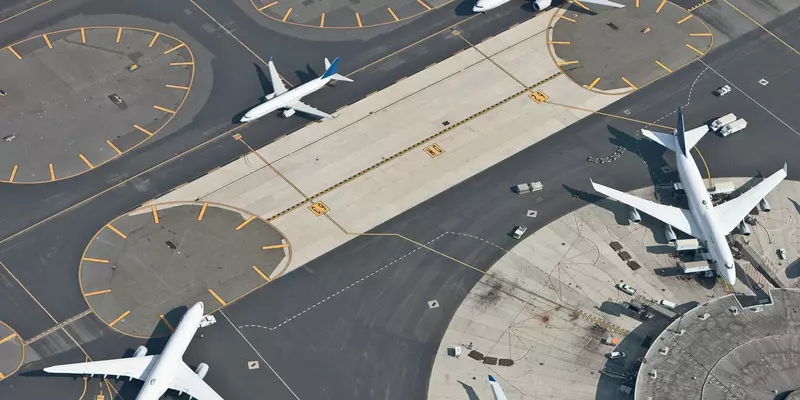
Despite technological improvements, air traffic control faces several operational challenges.
The aviation industry must balance increasing traffic demand with limited infrastructure, staffing requirements, changing weather patterns, and evolving technology.
1. Increasing Air Traffic Demand
Growing passenger and cargo traffic increases pressure on airports and airspace capacity.
Busy airports may experience congestion during peak periods, making aircraft sequencing and traffic coordination more demanding.
2. Shortage of Qualified Controllers
Air traffic control requires highly trained and qualified professionals.
Recruitment, training, licensing, and maintaining sufficient staffing levels are important for providing reliable air navigation services.
Staffing limitations can also affect the amount of traffic an airspace sector can safely accommodate.
3. Adverse Weather Conditions
Thunderstorms, strong winds, fog, and other weather conditions can affect aircraft operations.
Controllers may need to coordinate route changes, spacing adjustments, or traffic restrictions to maintain safety.
4. Technological Integration
Modern air traffic control facilities depend on complex communication, navigation, surveillance, and information-processing systems.
Integrating new technology with existing infrastructure requires investment, training, testing, and careful implementation.
5. Cybersecurity Threats
As aviation systems become more digitally connected, protecting critical information and operational infrastructure becomes increasingly important.
Cybersecurity measures help reduce the risks associated with unauthorized access, data disruption, and attacks on supporting systems.
These challenges demonstrate why continuous investment, professional development, and international cooperation are necessary for effective air traffic management.
The Future of Air Traffic Control
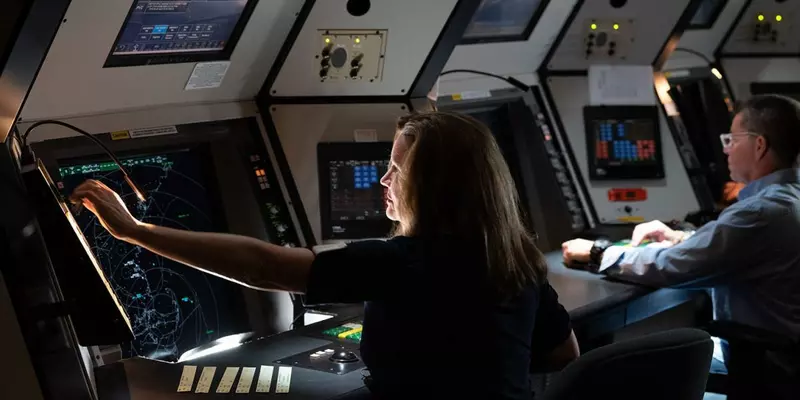
The future of air traffic control will be shaped by technological development, growing aviation demand, environmental objectives, and the need for greater operational efficiency.
Several developments are expected to influence the industry.
Digital Air Traffic Management
Digital systems will continue improving information exchange between aircraft, controllers, and aviation service providers.
Greater data integration may help controllers make more informed operational decisions.
Remote and Digital Towers
Remote tower technology allows certain aerodrome control functions to be performed using cameras, sensors, communication systems, and digital displays located away from the airport.
These systems may provide operational and infrastructure benefits in suitable environments.
Advanced Automation
Automation and decision-support tools may help controllers identify potential traffic conflicts, predict congestion, and improve operational planning.
Human supervision and established safety procedures will remain essential.
Unmanned Aircraft Integration
The growth of drones and other unmanned aircraft systems creates new airspace management requirements.
Aviation authorities and service providers are developing frameworks to coordinate these operations safely with existing aviation activities.
Sustainable Aviation Operations
More efficient routing, improved traffic sequencing, and better coordination can help reduce unnecessary fuel consumption and emissions.
However, environmental improvements must always remain consistent with safety requirements and operational limitations.
The future of ATC will therefore involve more integrated, data-driven, and flexible systems designed to support a changing aviation environment.
Conclusion
The importance of air traffic control extends across every major area of aviation. From preventing aircraft collisions and managing airport movements to supporting emergency operations and improving traffic efficiency, ATC plays a central role in maintaining safe and orderly air travel.
Modern aviation depends on coordination between pilots, air traffic controllers, airlines, airport authorities, ground handling companies, and air navigation service providers. Each stakeholder has specific responsibilities, but effective communication and cooperation connect their activities.
As passenger demand increases and aviation technology continues to develop, air traffic control will become even more important in managing complex airspace and airport operations.
Investments in modern surveillance systems, digital communication, controller training, infrastructure, and improved air traffic management procedures will help the aviation industry address future challenges.
Ultimately, safe and efficient aviation is not the responsibility of one individual or department. It is the result of a coordinated system in which air traffic control remains one of the most essential elements.
Frequently Asked Questions About the Importance of Air Traffic Control
1. Why is air traffic control important?
Air traffic control is important because it helps prevent collisions between aircraft, coordinates takeoffs and landings, manages aircraft movements, and maintains an orderly flow of traffic. It is a fundamental part of aviation safety and operational efficiency.
2. What are the main responsibilities of air traffic controllers?
Air traffic controllers coordinate aircraft movements, maintain required separation, issue clearances and instructions, monitor traffic, and support pilots during abnormal and emergency situations. Their responsibilities depend on their assigned control position.
3. How does air traffic control prevent aircraft collisions?
ATC uses surveillance information, communication systems, flight plans, and established separation procedures to monitor aircraft movements. Controllers issue instructions when necessary to maintain the required separation between aircraft.
4. What are the four main types of air traffic control services?
Commonly discussed ATC functions include aerodrome control, ground control, approach control, and area control. Their responsibilities are divided according to airspace structure and local operational arrangements.
5. How does air traffic control improve airport efficiency?
ATC coordinates aircraft movements, manages runway operations, sequences arrivals and departures, and supports orderly traffic flow. These activities can help airports use available capacity more effectively.
Facebook: https://www.facebook.com/rehan.ghauri
