
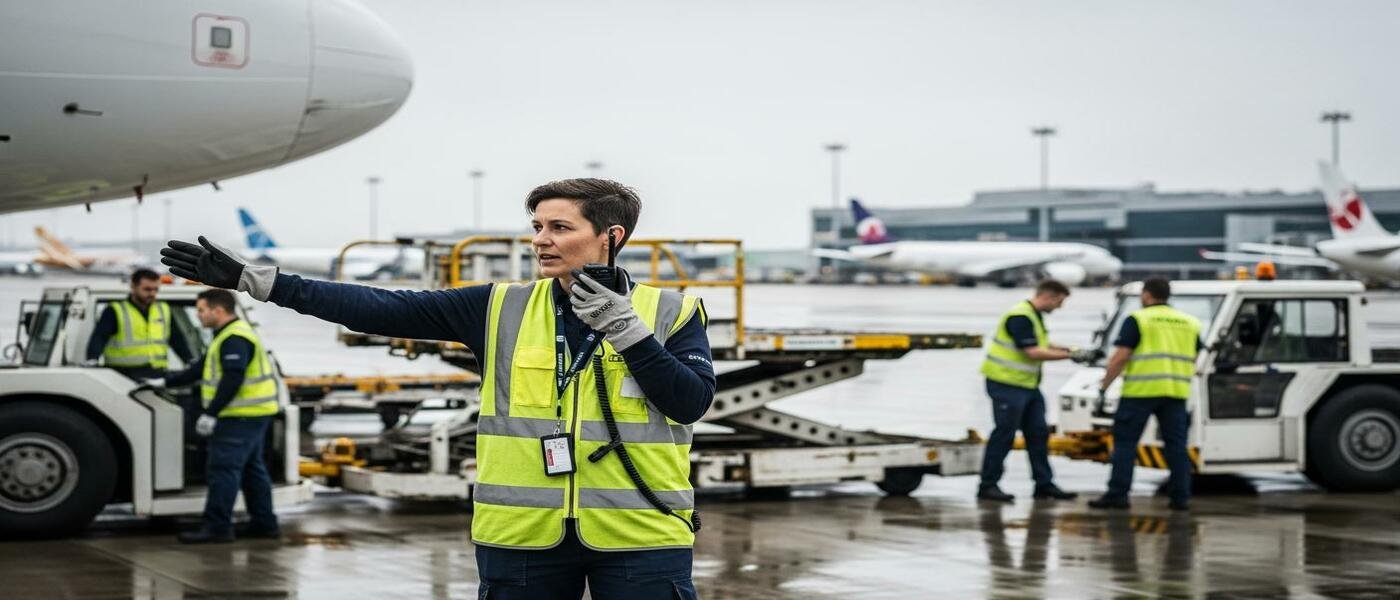
Airline operations jobs offer exciting career opportunities for people who want to work in the global aviation industry. From airport ground handling and passenger services to flight operations, operations control centers, and airline management, these careers play an essential role in keeping airlines safe, efficient, and reliable.
Airline operations professionals work behind the scenes and on the front line to coordinate aircraft movements, manage airport activities, support passengers, supervise ground teams, and maintain operational standards. Whether you are a fresh graduate looking for your first aviation job or an experienced airport professional seeking career advancement, the airline industry offers several possible career paths.
This guide explores 15 popular airline operations jobs, their responsibilities, required qualifications, essential skills, salary considerations, and opportunities in international markets. It also explains how to prepare your CV, where to search for vacancies, and how to build a successful aviation career.
Table of Contents
Introduction
The aviation industry depends on teamwork, planning, communication, and operational discipline. Every commercial flight involves multiple departments working together to ensure that passengers, crew, aircraft, and baggage reach their destinations safely and on time.
While pilots and cabin crew are among the most visible aviation professionals, thousands of employees work in airline operations, airport services, ground handling, flight planning, baggage management, and operational control.
Airline operations jobs are therefore not limited to working inside an aircraft. Many opportunities are available at airports, airline offices, operations control centers, and ground-handling companies.
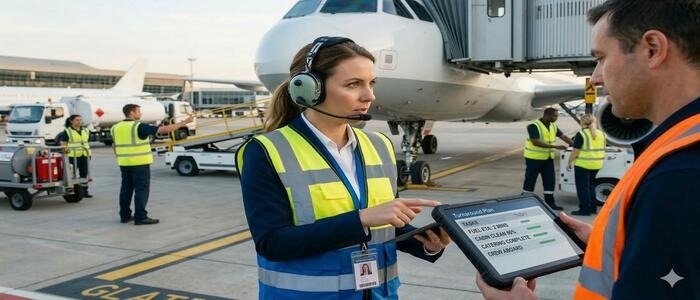
For example, a ground operations supervisor coordinates aircraft turnaround activities, while an airport services officer ensures that passengers receive appropriate assistance. An operations control center coordinator monitors operational developments and helps different departments respond to disruptions.
These positions require different qualifications and experience, but they share a common objective: delivering safe, efficient, and reliable airline operations.
If you are interested in building a career in aviation, understanding these job opportunities is an excellent first step.
1. What Are Airline Operations Jobs?
Airline operations jobs are professional positions responsible for supporting, coordinating, and managing the activities required to operate an airline and its flights.
These jobs involve several operational functions, including:
- Flight scheduling and operational coordination.
- Airport and ground handling management.
- Passenger check-in, boarding, and customer assistance.
- Aircraft turnaround and ramp operations.
- Baggage handling and load coordination.
- Flight dispatch and operational planning.
- Crew scheduling and operational control.
- Aviation safety, security, and regulatory compliance.
- Customer service and disruption management.
Airline operations departments work closely with airport authorities, ground-handling companies, security agencies, maintenance teams, air traffic services and other aviation stakeholders.
The exact department structure varies between airlines. Some companies operate their own ground-handling services, while others outsource these activities to specialist service providers.
According to airline career information published by Ryanair and Emirates Group, operational career areas include flight operations, ground operations, operations control, passenger services and safety-related functions.
2. 15 Best Airline Operations Jobs and Career Opportunities

The aviation industry offers employment opportunities at different experience levels. Some positions are suitable for entry-level applicants, while others require specialist qualifications and substantial operational experience.
Here are 15 career opportunities worth exploring.
1. Airport Operations Officer
Airport operations officers support the daily activities of an airport or airline station. They help coordinate airport services, monitor operational performance and communicate with relevant departments.
Typical responsibilities include:
- Monitoring daily airport operations.
- Coordinating with airline and airport departments.
- Supporting flight arrivals and departures.
- Reporting operational irregularities.
- Assisting with passenger and aircraft service coordination.
- Following airport safety and security procedures.
Required qualifications: A diploma or bachelor’s degree in aviation management, business administration, airport management or a related discipline may be preferred.
Career progression: Airport Operations Officer → Senior Operations Officer → Airport Operations Manager.
2. Ground Operations Supervisor
Ground operations supervisors are responsible for coordinating the services provided to aircraft while they are on the ground.
Their work is essential because an aircraft turnaround involves several activities that must be completed within the airline’s operational schedule.
Responsibilities commonly include:
- Supervising ramp and passenger service teams.
- Monitoring aircraft turnaround activities.
- Coordinating baggage loading and unloading.
- Communicating with airline representatives and airport authorities.
- Ensuring staff follow safety procedures.
- Monitoring service quality and operational performance.
- Preparing operational reports.
Ground operations supervisors need leadership, decision-making and communication skills. Previous airport or ground-handling experience is particularly valuable.
Career progression: Ground Operations Supervisor → Duty Manager → Ground Operations Manager.
3. Airline Operations Officer
An airline operations officer supports the airline’s daily operational activities. The position may involve coordination between airport stations, flight operations, customer service and other departments.
Responsibilities may include:
- Monitoring flight-related operational information.
- Coordinating with airport station teams.
- Supporting disruption management.
- Maintaining operational records.
- Communicating important updates.
- Assisting with operational reporting and performance monitoring.
The exact duties depend on the airline and the department in which the officer works.
4. Airport Duty Manager
An airport duty manager oversees operational activities during an assigned shift. This is a senior operational position that requires the ability to manage people, coordinate departments and make timely decisions.
Typical responsibilities include:
- Supervising daily airport or airline station activities.
- Managing operational disruptions.
- Coordinating with airport authorities and airline representatives.
- Monitoring customer service and operational standards.
- Managing staff allocation and shift requirements.
- Escalating safety and service-related incidents.
- Preparing shift handover reports.
Candidates with experience in airport operations, ground handling, customer service and staff supervision may be suitable for these positions.
5. Operations Control Center (OCC) Coordinator
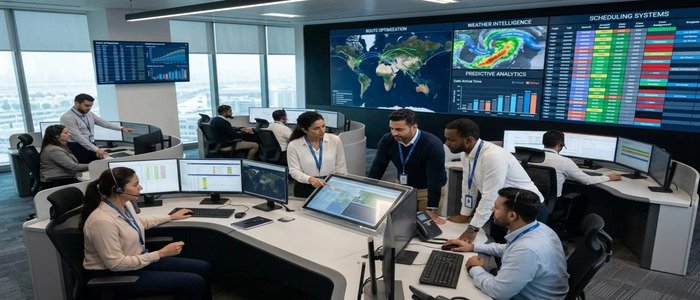
An operations control center is an important part of an airline’s operational structure. It helps monitor flights, coordinate resources and respond to operational developments.
Depending on the airline, an OCC coordinator may work with:
- Flight operations.
- Crew control.
- Ground operations.
- Flight planning.
- Network operations.
- Airport stations.
Responsibilities include monitoring operational information, communicating delays, coordinating resources and supporting recovery plans when disruptions occur.
Some OCC roles require specialist knowledge of flight operations, dispatch, crew scheduling or airline systems.
6. Passenger Services Supervisor
Passenger services supervisors manage airport customer service activities, including check-in, boarding, arrival services and passenger assistance.
Their responsibilities may include:
- Supervising check-in and boarding teams.
- Monitoring passenger service standards.
- Resolving customer complaints.
- Coordinating special assistance services.
- Handling operational issues affecting passengers.
- Ensuring compliance with airline procedures.
- Coaching and training customer service employees.
Strong communication, problem-solving and customer relationship skills are important for this position.
7. Ramp Operations Supervisor
Ramp operations supervisors oversee aircraft ground-handling activities on the airport apron.
Their work involves coordination with ramp agents, baggage teams, equipment operators and other operational departments.
Typical responsibilities include:
- Supervising ramp personnel.
- Monitoring aircraft loading and unloading.
- Coordinating ground support equipment.
- Ensuring safe working practices around aircraft.
- Monitoring turnaround schedules.
- Reporting equipment or operational problems.
Safety awareness is particularly important because ramp employees work around moving aircraft, vehicles and heavy equipment.
8. Flight Dispatcher
Flight dispatchers support flight planning and operational decision-making in accordance with the applicable regulatory framework and airline procedures.
Depending on the jurisdiction, their responsibilities may include:
- Reviewing weather information.
- Preparing or supporting flight planning.
- Monitoring operational conditions.
- Coordinating with pilots and operations control.
- Reviewing flight-related documentation.
- Supporting operational decisions during disruptions.
Flight dispatch is a specialist profession. Applicants may need approved training, supervised experience, examinations or licenses depending on the country and applicable aviation regulations.
9. Load Control Officer
Load control officers help ensure that aircraft weight and balance information is calculated and documented correctly.
Their responsibilities may include:
- Preparing aircraft load sheets.
- Reviewing passenger, baggage and cargo distribution.
- Coordinating with check-in, ramp and cargo teams.
- Monitoring last-minute operational changes.
- Supporting weight and balance compliance.
- Communicating loading instructions.
Accuracy is essential because incorrect weight and balance information can create serious operational and safety risks.
10. Airline Station Manager
An airline station manager is responsible for overseeing an airline’s operations at a particular airport.
The position combines operational leadership, customer service, staff management and commercial performance.
Typical responsibilities include:
- Managing daily station operations.
- Supervising airline and contracted service teams.
- Monitoring operational performance.
- Coordinating with airport authorities.
- Managing customer service issues.
- Reviewing service provider performance.
- Controlling station expenditure and resources.
- Supporting revenue and commercial objectives.
Extensive airport experience, leadership ability and strong operational knowledge are often important requirements.
11. Baggage Services Supervisor
Baggage services supervisors oversee baggage-related activities and help resolve issues involving delayed, damaged or mishandled baggage.
Responsibilities include:
- Supervising baggage service employees.
- Coordinating baggage tracing activities.
- Communicating with passengers.
- Working with ground-handling and ramp departments.
- Investigating baggage irregularities.
- Monitoring service quality.
- Preparing baggage performance reports.
Knowledge of baggage tracing systems and airline baggage procedures can be valuable.
12. Airline Customer Service Officer
Airline customer service officers work directly with passengers at airports and other customer service locations.
Their duties may include:
- Assisting passengers during check-in.
- Providing boarding information.
- Handling customer inquiries.
- Assisting passengers with special requirements.
- Supporting passengers during flight disruptions.
- Coordinating with other airport departments.
This position can provide a useful entry point into airline operations for candidates with strong communication and customer service skills.
13. Flight Operations Officer
Flight operations officers support the technical and administrative activities associated with airline flight operations.
Depending on the airline’s structure, the role may involve:
- Supporting flight crew coordination.
- Maintaining operational documentation.
- Monitoring flight-related information.
- Assisting with operational planning.
- Communicating with flight operations teams.
- Supporting regulatory and company procedures.
Some flight operations positions require aviation-specific qualifications or previous experience.
14. Aviation Safety Officer
Aviation safety officers support the development and implementation of safety procedures and reporting systems.
Their responsibilities may include:
- Monitoring safety performance.
- Supporting safety inspections and audits.
- Reviewing incident and hazard reports.
- Promoting safety awareness.
- Assisting with risk assessments.
- Supporting safety training.
- Monitoring corrective actions.
Knowledge of Safety Management Systems (SMS), risk management and aviation safety regulations can be beneficial.
15. Airline Operations Manager
An airline operations manager oversees operational departments and ensures that activities are performed safely, efficiently and in line with company objectives.
Typical responsibilities include:
- Managing operational teams and supervisors.
- Monitoring operational performance indicators.
- Improving operational processes.
- Controlling departmental budgets.
- Coordinating with senior management.
- Managing operational risks.
- Improving customer service and service delivery.
- Ensuring compliance with applicable standards.
This position generally requires substantial aviation experience, leadership skills and a strong understanding of airline operations.
3. Essential Skills Required for Airline Operations Jobs
Airline operations professionals need a combination of technical knowledge, communication skills and practical operational abilities.
The following skills can improve your chances of securing employment.
Communication Skills
Clear communication is essential because airline operations involve coordination between multiple departments and organizations.
Employees must communicate instructions, report irregularities and share important operational information accurately.
English language proficiency is particularly useful in international aviation environments. Additional languages can provide an advantage when working with international passengers and multicultural teams.
Problem-Solving and Decision-Making
Airline operations do not always go according to plan. Weather conditions, aircraft technical issues, baggage delays and staffing shortages can affect flight schedules.
Employees must understand operational priorities, assess available information and coordinate appropriate solutions within their authority.
Leadership and Team Management
Supervisors and managers need to motivate employees, allocate responsibilities and maintain professional working relationships.
Effective leadership also involves briefing teams, monitoring performance, coaching employees and maintaining discipline.
Customer Service Excellence
Passenger satisfaction is an important part of airline service delivery.
Employees should be able to listen carefully, understand customer concerns, explain available options and manage complaints professionally.
Safety Awareness
Safety must remain a priority in every aviation operation.
Employees should understand workplace hazards, follow approved procedures, report unsafe conditions and participate in relevant training.
Computer and Aviation System Knowledge
Depending on the position, employers may expect familiarity with:
- Microsoft Word and Excel.
- Airline departure control systems.
- Passenger service systems.
- Baggage reconciliation systems.
- Flight monitoring applications.
- Airline operational reporting systems.
- Scheduling and resource management software.
Experience with systems such as Amadeus or other airline platforms can be useful for relevant airport and passenger service positions.
4. Qualifications Required for Airline Operations Jobs
There is no single educational requirement for all airline operations jobs. Qualifications vary according to the position, employer and local aviation regulations.
Entry-Level Positions
Some entry-level airport and airline service positions may accept candidates with a high school certificate or equivalent education.
These positions may include:
- Passenger Service Agent.
- Airport Customer Service Assistant.
- Baggage Services Agent.
- Ground Handling Agent.
- Ramp Agent.
- Airport Operations Assistant.
Employers may provide job-specific training after recruitment.
Diploma and Bachelor’s Degree
A diploma or bachelor’s degree may be preferred for supervisory, administrative and management-track positions.
Relevant academic fields include:
- Aviation Management.
- Airport Management.
- Airline Management.
- Business Administration.
- Logistics and Supply Chain Management.
- Transportation Management.
- Operations Management.
A relevant degree can improve your knowledge, but practical experience and job-specific competence also matter.
Professional Aviation Training
Specialist training can help applicants develop the skills required for particular operational roles.
Examples include:
- Ground Operations Training.
- Airport Safety Training.
- Dangerous Goods Awareness.
- Aviation Security Awareness.
- Load Control Training.
- Passenger Handling Training.
- Safety Management Systems Training.
- Human Factors Training.
Candidates should select training that matches the job they intend to pursue. Always check whether a course is recognized or accepted by the relevant employer or aviation authority.
5. Airline Operations Jobs for Freshers
Starting an aviation career can feel challenging, particularly when employers advertise vacancies requiring previous experience.
However, several airline and airport positions may provide opportunities for candidates entering the industry.
Potential entry-level roles include:
- Passenger Service Agent.
- Airport Customer Service Assistant.
- Ground Handling Agent.
- Baggage Services Assistant.
- Ramp Agent.
- Airport Operations Assistant.
- Airline Call Center Representative.
- Reservation and Ticketing Assistant.
How Freshers Can Enter the Aviation Industry
Step 1: Understand the aviation industry.
Learn about airlines, airports, ground-handling companies and the departments responsible for daily flight operations.
Step 2: Develop communication skills.
Improve your English, customer service and professional communication abilities.
Step 3: Complete relevant training.
Consider introductory airport operations, customer service, aviation safety or ground-handling courses.
Step 4: Prepare a professional CV.
Highlight education, computer skills, language abilities, customer service experience and relevant training.
Step 5: Apply for suitable vacancies.
Start with entry-level positions that match your qualifications rather than applying only for managerial roles.
Step 6: Learn from practical experience.
Once employed, understand operational procedures, safety requirements and departmental coordination.
The first position may not be your final career destination. Consistent performance and professional development can help you progress into supervisory and management roles.
6. Airline Operations Jobs and Expected Salaries
Salary is one of the most common considerations when searching for airline operations jobs.
However, there is no universal salary for airline operations professionals. Compensation depends on the country, airline, position, experience, qualifications and employment arrangement.
A passenger service agent, flight dispatcher and airline station manager may have very different salary structures.
Factors That Influence Aviation Salaries
1. Job position: Specialist and managerial roles may offer higher compensation than entry-level positions.
2. Professional experience: Employees with extensive airport and airline experience may qualify for more senior positions.
3. Location: Salary levels vary significantly between countries and cities.
4. Employer: International airlines, regional airlines and ground-handling companies may offer different salary packages.
5. Qualifications: Specialist training, licenses and relevant certifications can influence eligibility and compensation.
6. Additional benefits: Some employers provide housing allowances, transport, medical insurance, travel benefits or other employment benefits.
How to Research Airline Operations Salaries
Before accepting an offer, compare:
- Basic monthly salary.
- Housing and transport allowances.
- Medical insurance.
- Annual leave and air tickets.
- Overtime arrangements.
- Shift allowances.
- Contract duration.
- End-of-service benefits, where applicable.
For international applicants, always compare the total employment package rather than looking only at the advertised basic salary.
The US Bureau of Labor Statistics publishes occupational wage information for specific aviation professions, including pilots and flight attendants. However, these figures should not be treated as salary benchmarks for all airline operations positions.
7. Airline Operations Jobs in Saudi Arabia, UAE and Other Countries
International aviation markets provide opportunities for professionals with different levels of education and experience.
Recruitment requirements vary between countries, employers and individual vacancies.
Airline Operations Jobs in Saudi Arabia
Saudi Arabia has a substantial airport and aviation services sector.
Potential employers include airlines, airport operators, ground-handling organizations and aviation service providers.
Career opportunities may include:
- Airport Operations Officer.
- Ground Operations Supervisor.
- Passenger Services Supervisor.
- Ramp Operations Supervisor.
- Airline Station Manager.
- Baggage Services Supervisor.
- Airport Duty Manager.
Candidates should check the employer’s recruitment requirements, experience criteria, work authorization arrangements and any applicable professional or regulatory requirements.
Airline Operations Jobs in the UAE
The UAE is another important aviation employment market, with major airline and airport operations in Dubai and Abu Dhabi.
Potential career areas include airport services, ground handling, cargo operations, flight operations and airline management.
International applicants should review the official recruitment websites of airlines and aviation service companies.
Airline Operations Jobs in Qatar
Qatar also offers opportunities in airport services, airline operations, passenger handling, and cargo operational support.
Applicants should monitor official employer vacancy pages and check the qualifications required for each position.
Airline Operations Jobs in Europe
European airlines and ground-handling companies recruit for different operational functions.
These may include ramp services, passenger handling, operations control, flight operations and airport management.
Work authorization, language requirements and local aviation regulations can affect eligibility.
Airline Operations Jobs in Other International Markets
Additional opportunities can be found in Asia, Africa, North America and other regions.
Before applying internationally, review the vacancy carefully and confirm whether the employer accepts overseas applications.
8. How to Apply for Airline Operations Jobs
Finding suitable vacancies requires a planned job search.
Rather than applying randomly, identify the job category that matches your education, skills and professional experience.
Where to Find Airline Operations Jobs
The following official career websites are useful starting points:
- Emirates Group Careers: https://www.emiratesgroupcareers.com/
- Qatar Airways Careers: https://careers.qatarairways.com/
- Saudia Careers: https://careers.saudia.com/
- Etihad Careers: https://careers.etihad.com/
- United Airlines Careers: https://careers.united.com/
- Ryanair Careers: https://careers.ryanair.com/
- IATA Careers: https://www.iata.org/en/about/careers/
You can also search recruitment platforms such as LinkedIn Jobs and Indeed.
Always verify vacancies through the employer’s official recruitment channel whenever possible.
How to Prepare an Aviation CV
Your CV should clearly explain why you are suitable for the position.
Include the following information:
Professional Summary: Write a short introduction describing your aviation experience, professional strengths and career objectives.
Work Experience: List your previous employers, job titles, employment dates and responsibilities.
Technical Skills: Mention relevant airport systems, passenger handling applications, reporting tools and Microsoft Office skills.
Operational Experience: Highlight experience in ground handling, flight coordination, ramp operations, passenger services and airport safety where relevant.
Education and Training: Include academic qualifications and relevant aviation courses.
Languages: Mention your language proficiency accurately.
Important CV Advice
Avoid sending the same CV for every vacancy.
For example, an application for a Ground Operations Supervisor should emphasize ramp coordination, turnaround management, staff supervision and safety.
An application for Passenger Services Supervisor should emphasize customer service, check-in, boarding, complaint handling and team leadership.
Use the same terminology as the vacancy when it accurately reflects your experience.
9. Career Growth and Development in Airline Operations

Airline operations offer several potential career progression routes.
Employees can develop their careers through practical experience, professional training, leadership opportunities and additional qualifications.
A possible ground operations career path is:
Ground Handling Agent → Senior Ground Handling Agent → Ramp Supervisor → Duty Manager → Ground Operations Manager.
A passenger services career path may look like:
Passenger Service Agent → Senior Passenger Service Agent → Passenger Services Supervisor → Passenger Services Manager.
An airport operations career path may include:
Airport Operations Assistant → Airport Operations Officer → Senior Operations Officer → Airport Duty Manager → Airport Operations Manager.
These are illustrative career pathways. Actual job titles and promotion requirements differ between organizations.
Importance of Continuous Professional Development
Aviation procedures, technology and operational requirements continue to develop.
Professionals should regularly update their knowledge through:
- Aviation safety and security training.
- Customer service development.
- Leadership and management programs.
- Human factors training.
- Ground operations courses.
- Digital and operational systems training.
- Relevant professional certifications.
The International Air Transport Association (IATA) provides aviation-related training and professional development resources that candidates can explore.
10. Challenges of Working in Airline Operations
Although airline operations jobs can be rewarding, they also involve demanding responsibilities.
Understanding these challenges can help applicants make informed career decisions.
Shift Work and Irregular Hours
Airlines operate around the clock. Employees may work early mornings, nights, weekends and public holidays.
Operational Pressure
Flight delays, aircraft changes, weather conditions and staffing shortages can create pressure on operational teams.
Safety Responsibilities
Employees must follow established procedures and remain alert to potential hazards.
Customer Complaints
Passenger disruptions can result in complaints and difficult conversations. Employees must remain professional and provide appropriate assistance.
Team Coordination
Airline operations depend on cooperation between several departments. Poor communication can affect service delivery and operational performance.
Despite these challenges, many professionals find aviation careers rewarding because they offer teamwork, responsibility, international exposure and opportunities for development.
11. Future Opportunities in Airline Operations
Technology and changing passenger expectations are influencing how airlines manage their operations.
Several developments may create new opportunities for aviation professionals.
Digital Transformation
Airlines increasingly use digital systems for operational monitoring, passenger processing and resource management.
Employees who understand digital operational tools may have an advantage.
Automation at Airports
Self-service check-in, automated baggage systems and biometric passenger processing are changing airport workflows.
These technologies may reduce some manual tasks while increasing the importance of technical support, process management and exception handling.
Data-Driven Operational Decisions
Airlines use operational data to monitor performance, identify delays and improve resource planning.
Knowledge of reporting, data interpretation and performance indicators can be valuable.
Safety and Human Factors
As airport operations become more complex, organizations continue to need professionals who understand safety procedures, risk management and human performance.
Sustainable Airport Operations
Environmental efficiency is becoming an important consideration in aviation.
Ground operations professionals may encounter new procedures involving efficient equipment use, energy management and sustainable operational practices.
These developments do not guarantee employment growth in every job category. However, they highlight areas where additional skills and professional knowledge may become increasingly useful.
12. Tips to Succeed in an Airline Operations Career
Building a successful aviation career requires more than obtaining a job offer.
The following practical suggestions can help professionals develop their careers.
- Prioritize safety: Never compromise safety to save time or meet operational targets.
- Improve communication: Develop clear communication skills with colleagues, passengers and external stakeholders.
- Understand operational procedures: Learn the relevant airline and airport procedures for your position.
- Build teamwork: Develop positive relationships with different departments.
- Stay organized: Maintain accurate records and complete assigned responsibilities.
- Learn new technology: Become comfortable with the systems used in your operational environment.
- Develop leadership skills: Take opportunities to guide, coach and support colleagues.
- Handle pressure professionally: Remain calm and follow established escalation procedures.
- Continue learning: Participate in relevant training and professional development.
- Maintain integrity: Be honest, accountable and professional in every operational situation.
These habits can support long-term professional development and improve workplace performance.
Conclusion
Airline operations jobs provide a wide range of career opportunities for people interested in the aviation industry. From entry-level passenger service positions to senior operational management roles, these careers contribute to the safe, efficient and reliable operation of airlines and airports.
The best starting point is to understand your strengths, identify suitable job categories and develop the qualifications and practical skills required by employers.
Fresh graduates can begin with entry-level airport positions, while experienced professionals can explore supervisory, duty management and station management opportunities.
Continuous learning, operational discipline, effective communication and a strong commitment to safety are essential for long-term success.
Whether your goal is to work in ground handling, airport management, flight operations or airline operations control, the aviation industry offers different pathways to build a rewarding professional career.
Start preparing today, keep developing your skills and take the next step towards your aviation career.
Frequently Asked Questions (FAQs)
1. What are airline operations jobs?
Airline operations jobs involve managing and supporting the activities required to operate an airline. These include airport operations, ground handling, passenger services, flight operations, operations control, baggage services and operational management.
2. Can freshers apply for airline operations jobs?
Yes. Some airlines and ground-handling companies recruit fresh graduates for entry-level positions such as passenger service agents, ramp agents, baggage service assistants and airport operations assistants. Requirements vary by employer.
3. What qualifications are required for airline operations jobs?
Requirements depend on the position. Entry-level customer service and ground-handling jobs may accept secondary education or equivalent qualifications, while supervisory and management roles may prefer diplomas, bachelor’s degrees and relevant aviation experience. Specialist positions can require additional training or regulatory approvals.
4. Which airline operations job has the best career opportunities?
There is no single best position for everyone. Ground operations management, airport operations, flight operations, operations control and airline station management offer different career opportunities. The right choice depends on your interests, qualifications and experience.
5. Are airline operations jobs available in Saudi Arabia and the UAE?
Yes. Airlines, airport operators and ground-handling companies in both countries recruit for different operational positions. Applicants should check official career websites for current vacancies and eligibility requirements.
Facebook: https://www.facebook.com/rehan.ghauri
