

Airline cost control is essential for maintaining financial stability, improving operational efficiency, and achieving sustainable growth in the competitive aviation industry. Airlines face several financial challenges, including fluctuating fuel prices, employee expenses, aircraft maintenance, airport charges, and technology investments. Effective budgeting and strategic financial planning help airlines manage these expenses without compromising safety, regulatory compliance, or passenger satisfaction. This article explores 10 practical airline cost control strategies that can help aviation businesses reduce unnecessary spending, optimize resources, and strengthen their long-term financial performance.
Table of Contents
Introduction for Airline cost control

The airline industry is one of the most complex and capital-intensive sectors in the global economy. Operating an airline requires significant financial resources, effective management, advanced technology, skilled employees, and continuous investment in aircraft and infrastructure.
Airlines must manage numerous expenses every day, including aviation fuel, aircraft maintenance, employee salaries, airport charges, ground handling, passenger services, and administrative operations. Even small increases in these expenses can significantly affect an airline’s financial performance.
This is why airline cost control has become an essential part of modern aviation management. Airlines must develop effective financial strategies to manage operating expenses while maintaining high standards of safety, reliability, and customer service.
However, reducing expenses does not simply mean cutting budgets or limiting resources. Successful cost management involves identifying unnecessary spending, improving operational processes, using resources efficiently, and making informed financial decisions.
From fuel management and workforce planning to aircraft maintenance and digital transformation, several strategies can help airlines improve financial performance.
In this guide, we will explore 10 practical strategies for effective airline cost control and explain how airlines can balance financial efficiency with operational excellence.
Fuel Management: A Major Part of Airline Cost Control

Fuel is one of the most significant operating expenses for many airlines. Aviation fuel prices are influenced by international oil markets, geopolitical developments, supply and demand, and currency movements.
Because airlines cannot directly control global fuel prices, they need effective planning and monitoring strategies to manage their exposure to fuel-related expenses.
Fuel management is therefore a critical component of airline cost control.
Airlines can improve fuel efficiency through several operational measures:
- Optimizing flight routes where operationally and regulatorily appropriate.
- Reducing unnecessary aircraft weight.
- Monitoring fuel consumption across different aircraft types.
- Improving flight planning and operational coordination.
- Applying efficient taxi procedures where airport conditions permit.
- Evaluating fuel-efficient aircraft and engine technologies.
Some airlines also use fuel hedging arrangements to manage exposure to future price fluctuations. However, these financial arrangements involve market risks and require careful assessment by qualified professionals.
Practical example: An airline that regularly monitors fuel consumption across its fleet can identify aircraft or routes with unusually high consumption. Management can investigate the causes and work with flight operations and engineering teams to identify suitable improvements.
By combining financial forecasting with operational monitoring, airlines can manage fuel expenses more effectively.
Improve Operational Efficiency and Reduce Unnecessary Expenses

Operational efficiency plays an important role in airline cost control. Airlines operate through several interconnected departments, including flight operations, ground handling, passenger services, baggage handling, engineering, and airport coordination.
Inefficient processes in any of these departments can increase operating expenses.
For example, aircraft turnaround delays may result in additional ground time, schedule disruption, overtime, and passenger-service recovery costs.
Airlines should regularly review their operational processes to identify areas where resources are being wasted.
Important improvement areas include:
- Improving aircraft turnaround coordination.
- Reducing unnecessary ground equipment usage.
- Monitoring departure punctuality.
- Improving baggage handling processes.
- Strengthening communication between operational departments.
- Reducing repeated administrative work.
- Improving equipment utilization.
For ground handling companies, coordination between ramp operations, passenger services, load control, baggage teams, and airport authorities is especially important.
Effective coordination helps reduce operational delays and supports better resource utilization.
Airline managers should also monitor operational performance indicators alongside financial reports. Reducing expenses should never compromise safety, security, or service quality.
Workforce Planning and Employee Cost Management
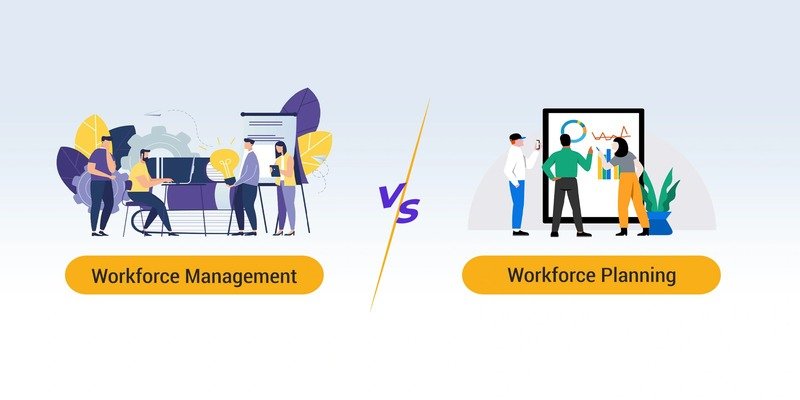
Employee expenses represent a substantial part of airline operating costs. Airlines require pilots, cabin crew, engineers, ground handling employees, customer service representatives, administrative staff, and management teams to maintain daily operations.
Effective workforce planning is therefore essential for airline cost control.
Poor workforce management can create two major problems.
First, excessive staffing can increase payroll expenses and reduce productivity. Second, insufficient staffing can lead to overtime, employee fatigue, operational delays, and poor customer service.
Airlines should develop workforce plans based on:
- Daily and seasonal flight schedules.
- Passenger traffic and operational workload.
- Aircraft types and service requirements.
- Employee availability and qualifications.
- Overtime and absenteeism trends.
- Applicable labor regulations.
Another effective approach is cross-training employees. Properly trained employees may support multiple operational functions within their qualifications and authorized responsibilities.
For example, ground handling companies can plan employee rosters according to flight arrival and departure schedules. This helps ensure that the required number of trained employees is available during peak operational periods.
Training should not be treated as an unnecessary expense. Investment in employee development improves competency, productivity, and operational reliability.
A balanced workforce strategy supports financial efficiency without weakening employee performance or safety standards.
Aircraft Maintenance and Fleet Management

Aircraft maintenance is essential for flight safety, regulatory compliance, and operational reliability. However, maintenance activities also represent a significant financial commitment for airlines.
Aircraft require scheduled inspections, component replacements, repairs, technical support, and regular maintenance activities throughout their operating lives.
Effective airline cost control requires careful maintenance budgeting and fleet planning.
Airlines should consider the following practices:
- Planning scheduled maintenance activities.
- Monitoring aircraft component performance.
- Maintaining appropriate spare-parts inventories.
- Reducing avoidable maintenance-related delays.
- Monitoring aircraft availability.
- Coordinating maintenance schedules with flight operations.
- Evaluating aircraft lifecycle and operating expenses.
Preventive maintenance can help identify potential technical problems before they develop into more serious operational issues.
However, airlines must never delay mandatory maintenance or compromise airworthiness requirements to achieve short-term savings.
Fleet management is equally important. Airlines should evaluate aircraft operating costs, fuel efficiency, maintenance requirements, capacity, and route suitability when making fleet-related decisions.
For example, selecting an aircraft that appropriately matches passenger demand and route requirements may help an airline manage fuel consumption and operating expenses more efficiently.
Technology Investments for Better Airline Cost Control
Technology has transformed airline operations. Modern airlines depend on digital systems to manage reservations, passenger information, flight schedules, maintenance, baggage, crew planning, and financial reporting.
Although technology requires investment, the right systems can improve efficiency and reduce long-term operational expenses.
Airlines can consider investing in:
- Automated check-in and passenger processing systems.
- Digital departure control systems.
- Electronic baggage tracking.
- Aircraft maintenance management software.
- Crew scheduling and planning applications.
- Revenue management systems.
- Operational data analytics.
- Automated financial reporting.
For example, digital baggage tracking can help airlines and ground handling teams identify baggage movement more accurately and investigate handling problems.
Similarly, automated reporting systems can reduce repetitive administrative tasks and improve access to operational information.
However, technology investment should always be supported by a clear business case.
Before purchasing new systems, airlines should evaluate implementation expenses, staff training, cybersecurity, maintenance, integration requirements, and expected financial benefits.
Technology should solve genuine operational problems rather than simply increase the company’s IT expenditure.
Airport Charges and Ground Handling Cost Management
Airlines operate through a network of airports, and each airport has its own commercial and operational cost structure.
Airport charges, landing fees, parking charges, passenger service charges, navigation fees, and ground handling expenses can significantly affect airline operating costs.
Effective airline cost control requires continuous monitoring of these expenses.
Airlines should regularly review their airport-related agreements and identify opportunities to improve commercial arrangements.
Important areas include:
- Reviewing airports and handling service agreements.
- Monitoring landing and parking charges.
- Evaluating ground handling service costs.
- Improving aircraft turnaround efficiency.
- Monitoring the utilization of ground support equipment.
- Reviewing service-level agreements.
- Avoiding unnecessary operational delays.
Ground handling expenses deserve particular attention because they involve several operational activities, including passenger handling, baggage services, ramp operations, aircraft cleaning, and aircraft turnaround support.
Airlines can work with ground handling service providers to establish clear performance indicators and service standards.
For example, monitoring equipment utilization and flight-related manpower requirements can help service providers plan resources more effectively.
Strong coordination between airlines, airport authorities, and ground handling companies can improve operational performance while supporting better cost management.
Marketing and Revenue Management Strategies
Marketing is essential for attracting passengers, increasing bookings, and maintaining airline competitiveness. However, marketing campaigns also require careful financial planning.
Airline cost control should include reviewing marketing expenses and evaluating whether promotional activities generate sufficient commercial value.
Airlines can improve marketing efficiency through:
- Targeted digital advertising.
- Customer segmentation.
- Loyalty programs.
- Promotional campaigns based on demand.
- Website and mobile application improvements.
- Monitoring advertising performance.
- Reviewing customer acquisition costs.
Revenue management is equally important.
Airlines use revenue management strategies to manage seat availability and ticket pricing according to passenger demand, booking patterns, competition, and remaining capacity.
For example, an airline may adjust ticket prices based on seasonal demand and booking trends to improve revenue performance.
The objective is to generate better returns from available seat capacity while maintaining an appropriate balance between pricing, demand, and operating expenses.
Marketing and revenue management teams should regularly evaluate campaign performance and commercial results to ensure that financial resources are being used effectively.
Regulatory Compliance and Safety Budgeting
Safety and regulatory compliance are fundamental responsibilities of every airline.
Airlines must comply with applicable aviation regulations, operational requirements, security standards, and passenger protection rules in the countries where they operate.
These responsibilities require financial resources for training, audits, documentation, equipment, approved systems, and compliance monitoring.
Effective airline cost control must include these expenses in the annual financial plan.
Important budgeting areas include:
- Safety and security training.
- Regulatory audits and inspections.
- Employee qualification and recurrent training.
- Required safety equipment.
- Compliance management systems.
- Documentation and operational procedures.
- Corrective and preventive actions.
Airlines should work closely with their safety, quality assurance, engineering, and compliance departments when preparing operational budgets.
Cutting mandatory safety or compliance expenses is never an acceptable cost-saving strategy.
Instead, airlines should focus on improving processes, reducing administrative duplication, and ensuring that available resources are used effectively.
A responsible financial strategy protects both operational standards and the long-term reputation of the airline.
Customer Service and Passenger Experience Management
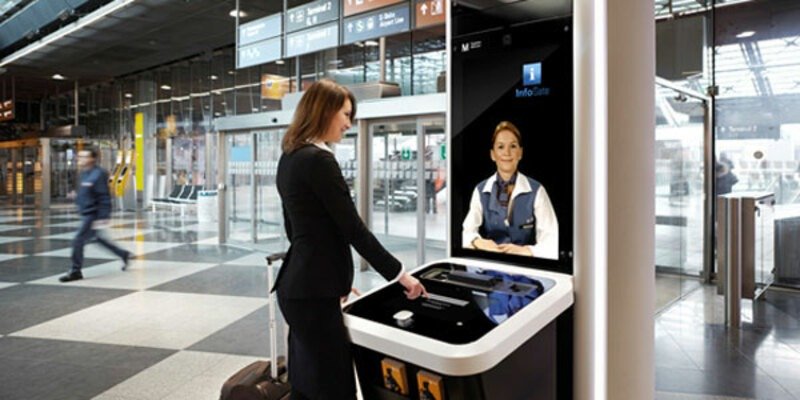
Customer service is another important area of airline management that requires proper budgeting.
Passengers expect reliable flight information, efficient check-in services, timely baggage delivery, helpful employees, and effective assistance during flight disruptions.
Poor customer service can lead to complaints, compensation expenses where applicable, lost customers, and damage to brand reputation.
Airline cost control should therefore focus on improving service efficiency rather than simply reducing customer-service budgets.
Airlines can improve passenger experience through:
- Regular customer-service training.
- Efficient check-in and boarding procedures.
- Better communication during flight disruptions.
- Improved baggage handling coordination.
- Digital passenger information services.
- Effective complaint management.
- Consistent service quality monitoring.
For example, when flights are delayed or cancelled, trained employees and clear communication procedures can help manage passenger expectations and reduce confusion.
Airlines should monitor customer complaints, service recovery cases, baggage performance, and passenger feedback to identify recurring problems.
Investing in preventive service improvements can help reduce avoidable service failures and support customer loyalty.
Risk Management and Financial Preparedness
The aviation industry is exposed to several risks that can affect airline finances and daily operations.
These include:
- Fuel price fluctuations.
- Economic downturns.
- Geopolitical instability.
- Severe weather conditions.
- Aircraft technical problems.
- Airspace restrictions.
- Supplier disruptions.
- Unexpected changes in passenger demand.
Effective airline cost control requires financial planning that considers these uncertainties.
Airlines should prepare different financial scenarios to understand how unexpected events may affect revenue, operating expenses, and cash flow.
Depending on their financial position and risk policies, airlines may consider maintaining appropriate liquidity reserves, alternative supplier arrangements, spare equipment, and business continuity plans.
For example, during severe weather disruptions, airlines may face additional expenses related to passenger assistance, aircraft repositioning, accommodation, and schedule recovery.
A well-prepared financial plan helps management understand these potential costs and respond in a structured manner.
Risk management is therefore not only about preventing financial losses. It also helps airlines maintain operational resilience during challenging situations.
How Can Airlines Measure the Success of Cost Control Strategies?

Developing an effective budget is only the first step. Airlines must regularly monitor financial and operational performance to determine whether their cost control strategies are producing the expected results.
Management should compare actual expenses with budgeted figures and investigate significant differences.
Some useful performance indicators include:
1. Cost per Available Seat Kilometer (CASK)
CASK measures an airline’s operating cost relative to its available seat capacity and distance flown. It helps management understand how operating costs change as capacity changes.
2. Fuel Consumption per Flight
Monitoring fuel consumption by aircraft type and route helps identify unusual trends and opportunities for operational improvement.
3. Employee Productivity
Workforce performance indicators can help managers understand staffing efficiency, overtime trends, and workload distribution.
4. Aircraft Utilization
Aircraft utilization measures how effectively the airline uses its available fleet. It should be considered alongside maintenance requirements, schedule reliability, and operational constraints.
5. On-Time Performance
Departure and arrival punctuality can help airlines monitor operational reliability and identify processes that may contribute to avoidable delays.
6. Maintenance Cost per Aircraft
Tracking maintenance expenses helps management monitor fleet-related costs and identify changes in maintenance requirements.
These indicators should be reviewed together rather than in isolation. For example, reducing staffing expenses may appear financially beneficial, but if it increases delays or safety risks, it may create greater costs elsewhere.
A balanced performance management approach helps airlines make better financial and operational decisions.
Conclusion: Building a Sustainable Airline Cost Control Strategy

Airline cost control is essential for maintaining financial stability, improving operational efficiency, and achieving sustainable growth in an increasingly competitive aviation industry.
From fuel management and workforce planning to aircraft maintenance, technology investment, airport charges, and customer service, every department contributes to an airline’s overall financial performance.
However, successful cost management is not about reducing every expense. It is about identifying unnecessary spending, improving resource utilization, strengthening operational coordination, and making informed financial decisions.
Airlines that connect financial planning with daily operational performance can identify potential problems earlier and respond more effectively to changing business conditions.
Ultimately, effective airline cost control requires cooperation between finance teams, flight operations, ground handling, engineering, commercial departments, and customer-service teams.
By adopting practical budgeting strategies and monitoring performance regularly, airlines can build more efficient, resilient, and financially sustainable operations.
Frequently Asked Questions (FAQs)
1. What is airline cost control?
Airline cost control is the process of planning, monitoring, and managing airline expenses to improve financial performance while maintaining safety, regulatory compliance, and service quality.
2. Why is cost control important in the airline industry?
Cost control helps airlines manage operating expenses, improve resource utilization, protect profitability, and maintain financial stability in a competitive and changing business environment.
3. What are the biggest operating costs for airlines?
Major airline expenses commonly include aviation fuel, employee salaries, aircraft maintenance, aircraft leasing or ownership, airport charges, ground handling, and administrative costs.
4. How can airlines reduce fuel expenses?
Airlines can manage fuel expenses through efficient flight planning, fuel consumption monitoring, aircraft weight management, operational improvements, and appropriate fuel-risk management strategies.
5. How does technology help with airline cost control?
Technology can reduce manual processes, improve baggage tracking, support maintenance planning, optimize workforce scheduling, and provide better operational information for management decisions.
Facebook: https://www.facebook.com/rehan.ghauri
Instagram: https://www.instagram.com/contentflyers0/
Twitter: https://www.twitter.com/contentflyers0/
Pinterest: https://www.pinterest.com/contentflyers0/
