

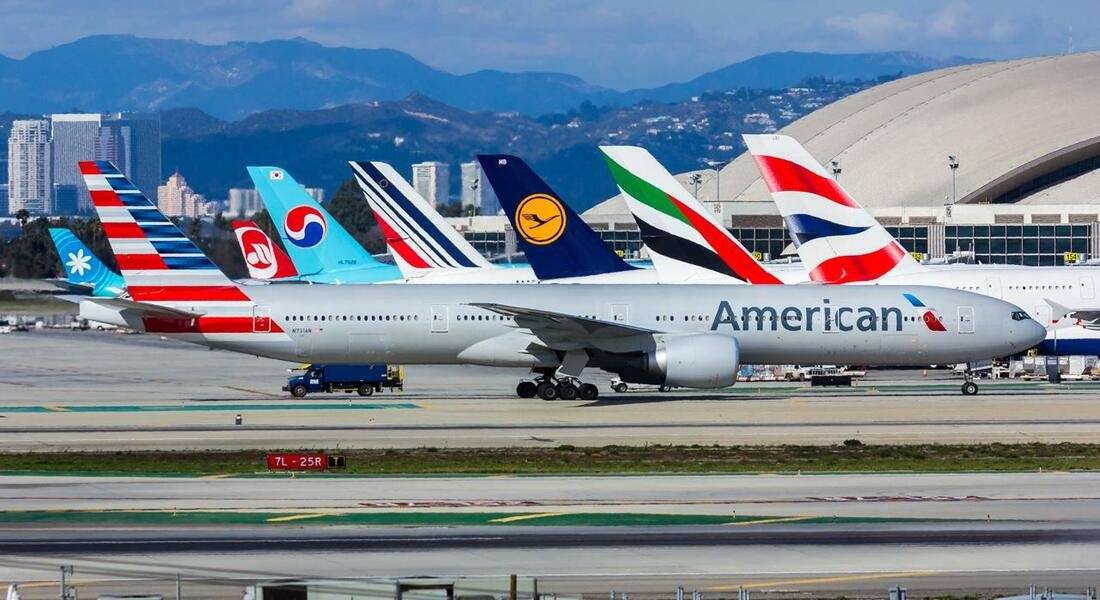
The world’s largest airline fleets demonstrate how global aviation continues to expand, modernize, and compete for passengers. From United Airlines and American Airlines in the United States to China Southern Airlines in Asia and Ryan air in Europe, leading carriers operate hundreds of aircraft to connect millions of travellers every year.
This comprehensive guide explores the largest airline fleets in 2026, ranking major passenger airlines according to their reported mainline aircraft numbers. It examines the leading operators, their aircraft types, operational strategies, fleet expansion plans, and the role of fleet management in modern aviation. Readers will also discover why having the most aircraft does not necessarily make an airline the biggest by passengers, revenue, or destinations.
Table of Contents
Introduction

Imagine managing an airline with more than 1,000 aircraft.
Every morning, hundreds of aircraft must be prepared for departure. Pilots need to be scheduled, cabin crew must be available, passengers expect timely service, baggage must reach the correct destinations, and ground-handling teams must coordinate operations across multiple airports.
Now imagine doing all of this across different countries and time zones!
Welcome to the world of the largest airline fleets, where managing thousands of operational details is just another day at the office.
The global aviation industry has grown significantly, with airlines investing billions of dollars in new aircraft, expanding international networks, and improving operational efficiency. Fleet size has become an important indicator of an airline’s scale, financial strength, network strategy, and ability to serve growing passenger demand.
But which airline operates the most aircraft in 2026?
Is it American Airlines, United Airlines, Delta Air Lines, or perhaps a major Chinese carrier?
The answer is interesting because the world’s largest airline fleets are dominated by a combination of American, Asian, and European operators. Each airline follows a different strategy. Some focus on domestic connectivity, others specialize in international long-haul services, while low-cost airlines concentrate on high-frequency operations and efficient aircraft utilization.
In this article, we explore the 15 largest airline fleets in 2026, examine their aircraft numbers, understand their operational strengths, and discover what their growth means for the future of aviation.
Whether you are an aviation enthusiast, airline employee, airport professional, or frequent traveller, this guide will help you understand the aircraft fleets powering the modern aviation industry.
Let’s take off!
How Are the World’s Largest Airline Fleets Ranked in 2026?

Before looking at the rankings, it is important to understand how airline fleet sizes are calculated.
Not every aviation ranking uses the same method. Some count only aircraft operated directly by an airline, while others include regional subsidiaries, leased aircraft, cargo divisions, and aircraft operated by partner companies.
For this article, the primary comparison uses mainline fleet size: aircraft operated directly by the airline under its own operating structure. Regional aircraft operated by independent contractors are not automatically added to the parent airline’s fleet.
The ranking uses the latest available figures published by November 5, 2026. Individual reporting dates vary, so these numbers should be understood as reported snapshots rather than a perfectly synchronized fleet census.
What does airline fleet size mean?
Airline fleet size refers to the number of aircraft an airline owns, leases, or operates as part of its aviation business.
These aircraft may include:
- Narrow body aircraft used for domestic and short-haul flights.
- Wide body aircraft designed for long-distance international services.
- Regional aircraft serving smaller cities and connecting passengers to major hubs.
- Freighter aircraft used for cargo transportation and are included in the reporting scope.
Why does fleet size matter?
Fleet size can reveal important information about an airline’s business and operational capabilities.
A larger fleet can help an airline:
- Operate more flights across different destinations.
- Increase passenger-carrying capacity.
- Expand domestic and international networks.
- Improve scheduling flexibility.
- Replace older aircraft with modern, fuel-efficient models.
- Maintain operational resilience when aircraft require maintenance.
However, more aircraft do not automatically mean better financial performance. An airline must also manage fuel costs, maintenance, staffing, airport charges, aircraft financing, and passenger demand.
A fleet of 1,000 aircraft is impressive, but keeping those aircraft productive is where the real challenge begins.
Top 15 Largest Airline Fleets in the World in 2026
The following ranking focuses on passenger airlines and their directly operated mainline fleets. NetJets, a major business aviation operator, is excluded from this passenger-airline comparison.
The figures are based on the latest available published fleet snapshots, with reporting dates shown to avoid misleading comparisons.
| Rank | Airline | Country | Aircraft |
| 1 | United Airlines | USA | 1,137 |
| 2 | American Airlines | USA | 1,030 |
| 3 | Delta Air Lines | USA | 1,005 |
| 4 | Southwest Airlines | USA | 803 |
| 5 | China Eastern Airlines | China | 685 |
| 6 | China Southern Airlines | China | 670 |
| 7 | Ryan air | Ireland | 647 |
| 8 | Air China | China | 533 |
| 9 | IndiGo | India | 422 |
| 10 | LATAM Airlines | Chile | 363 |
| 11 | easyJet | UK | 356 |
| 12 | Alaska Airlines | USA | 315 |
| 13 | JetBlue Airways | USA | 296 |
| 14 | Wizz Air | Hungary | 270 |
| 15 | Emirates | UAE | 266 |
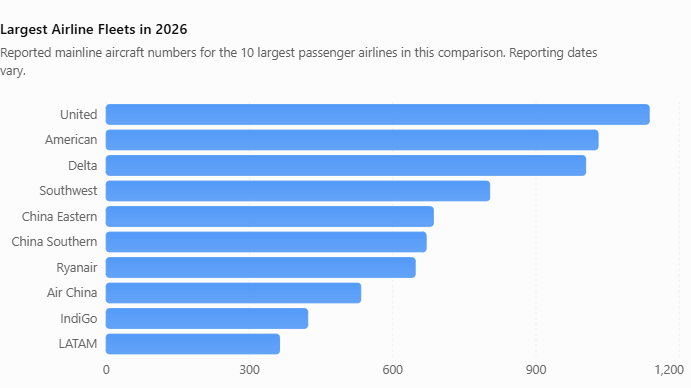
One interesting observation is that the first three positions belong to American airlines. United Airlines, American Airlines, and Delta Air Lines each operate more than 1,000 mainline aircraft.
China also has a strong presence, with three major airlines appearing in the top eight.
Europe’s largest low-cost operators, Ryanair and easyJet, demonstrate that an airline does not need an extensive long-haul network to operate a substantial fleet.
Let’s examine the leading airlines individually.
United Airlines – The World’s Largest Airline Fleet
Country: United States
Reported fleet: 1,137 aircraft
Reporting date: September 2026
Headquarters: Chicago, Illinois
United Airlines
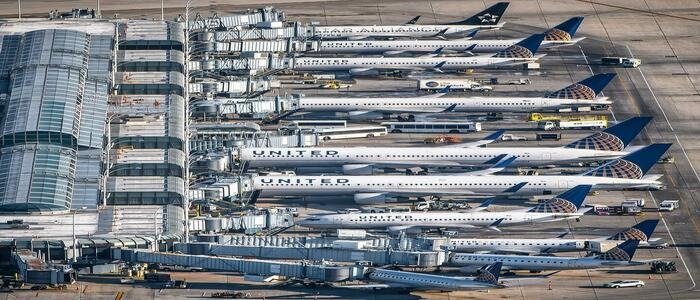
United Airlines takes the leading position among the largest airline fleets in 2026, operating approximately 1,137 mainline aircraft according to the November 2026 ranking.
The airline has built an extensive domestic and international network connecting major American cities with destinations across Europe, Asia, Latin America, and other regions.
Its fleet includes different aircraft families designed for specific operational requirements.
Aircraft operated by United Airlines
Some important aircraft families in its fleet include:
- Boeing 737 family.
- Boeing 757.
- Boeing 767.
- Boeing 777.
- Boeing 787 Dreamliner.
- Airbus A319 and A320 families.
The Boeing 737 family supports a large part of United’s domestic network, while its widebody aircraft operate long-haul international services.
The Boeing 787 Dreamliner is particularly important because it offers modern cabin technology, improved fuel efficiency, and long-range capabilities.
Why is United Airlines number one?
Several factors contribute to United’s position.
1. Extensive route network
United serves a large number of domestic and international destinations through its major hubs.
2. Strong international operations
The airline connects the United States with major business and tourism destinations worldwide.
3. Fleet expansion
United has continued adding aircraft to increase capacity and strengthen its international operations.
4. Aircraft diversification
Different aircraft types allow the airline to match aircraft capacity with passenger demand and route requirements.
Operational challenges of managing such a large fleet
Operating more than 1,100 aircraft requires a sophisticated operational structure.
United must coordinate:
- Aircraft maintenance and engineering.
- Crew rostering and training.
- Airport ground handling.
- Fuel management.
- Baggage and cargo operations.
- Flight dispatch and operational control.
- Aircraft availability and rotation planning.
A single aircraft becoming unavailable can affect multiple flights, particularly when schedules are tight.
This is why airline operations control centres (OCCs) play such an important role in maintaining operational continuity.
American Airlines—A Global Aviation Giant

Country: United States
Reported fleet: 1,030 aircraft
Reporting date: June 2026
Headquarters: Fort Worth, Texas
American Airlines is one of the most recognizable names in global aviation.
The airline operates an extensive network covering domestic routes, international destinations, and connecting services through major American airports.
Its aircraft fleet includes a combination of Airbus and Boeing models, allowing it to serve short-haul, medium-haul, and long-haul markets.
Major aircraft types in American Airlines’ fleet
- Airbus A319.
- Airbus A320.
- Airbus A321.
- Boeing 737.
- Boeing 777.
- Boeing 787 Dreamliner.
The Boeing 737-800 is one of its largest individual aircraft sub-fleets.
American Airlines also operates a substantial regional network under the American Eagle brand. However, aircraft operated by independent regional carriers should not automatically be included in its directly operated mainline fleet.
What makes American Airlines successful?
Extensive domestic connectivity: American Airlines connects numerous cities across the United States, supporting business and leisure travel.
International destinations: Its network includes destinations in Europe, Asia, Latin America, and the Caribbean.
Major hub operations: Airports such as Dallas/Fort Worth, Charlotte, Miami, and Chicago support its extensive flight network.
Fleet investment: Aircraft orders and fleet modernization remain important elements of its long-term strategy.
Fleet management and operational efficiency
Managing more than 1,000 aircraft involves continuous coordination between maintenance teams, flight operations, airport services, and customer service departments.
For example, if an aircraft arrives late at Dallas/Fort Worth, the airline may need to review connecting passenger arrangements, crew availability, aircraft rotation, and baggage transfer requirements.
This is where efficient operational planning makes a measurable difference.
Delta Air Lines—A Fleet Built Around Operational Flexibility
Country: United States
Reported fleet: 1,005 aircraft
Reporting date: June 2026
Headquarters: Atlanta, Georgia
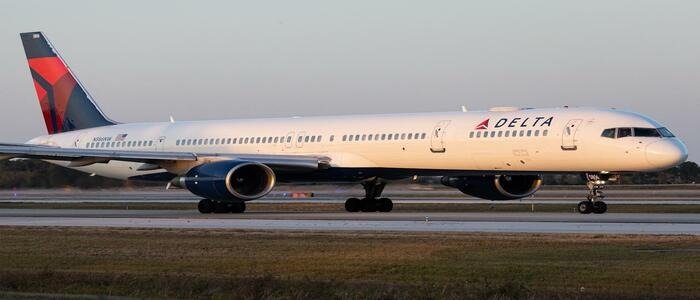
Delta Air Lines is another major player among the largest airline fleets in the world.
Delta has developed a large domestic and international operation supported by a diverse fleet of Airbus and Boeing aircraft.
Unlike airlines that focus heavily on a single aircraft family, Delta operates several aircraft types to meet different network requirements.
Major aircraft types operated by Delta
- Airbus A220.
- Airbus A320 family.
- Airbus A330.
- Airbus A350.
- Boeing 717.
- Boeing 737.
- Boeing 757.
- Boeing 767.
The Airbus A350 is an important part of Delta’s long-haul operations, offering modern technology and fuel-efficient performance.
Its smaller aircraft support regional and domestic services, while larger widebody aircraft connect international markets.
What makes Delta’s fleet strategy different?
Delta has traditionally placed significant emphasis on maintaining and extending the useful life of selected aircraft.
This approach can offer financial advantages when supported by an effective maintenance program.
Its operational strategy includes:
- Managing different aircraft capacities.
- Maintaining technical reliability.
- Improving passenger experience.
- Investing in aircraft modernization.
- Coordinating maintenance with flight schedules.
Delta’s fleet demonstrates that successful airline management is not simply about purchasing the newest aircraft.
It is about selecting the right aircraft, maintaining it properly, and using it efficiently.
Southwest Airlines—The Power of a Single Aircraft Family
Country: United States
Reported fleet: 803 aircraft
Reporting date: June 2026
Headquarters: Dallas, Texas
Southwest Airlines is one of the world’s largest low-cost carriers and a particularly interesting example of fleet standardization.
Its fleet strategy is different from that of many traditional international airlines.
Southwest has built its operation around the Boeing 737 family.
Aircraft operated by Southwest Airlines
Its mainline fleet consists of Boeing 737 aircraft, including:
- Boeing 737-700.
- Boeing 737-800.
- Boeing 737 MAX 8.
This standardized approach creates several operational advantages.
Benefits of a standardized fleet
1. Simplified pilot training
Pilots can operate aircraft within the same family with fewer differences in training requirements.
2. Maintenance efficiency
Engineering teams can work with a more consistent range of aircraft systems and components.
3. Spare parts management
Standardization can simplify inventory planning and component procurement.
4. Operational flexibility
Aircraft and crew scheduling can be easier when aircraft share similar operating characteristics.
Are there disadvantages?
Yes.
A highly standardized fleet also creates concentration risk. When a particular aircraft type experiences technical problems or regulatory restrictions, a large proportion of the airline’s operation can be affected.
Southwest’s history with the Boeing 737 MAX grounding demonstrated why fleet standardization must be supported by effective contingency planning.
Its approach nevertheless remains an important case study in airline cost management.
China Eastern Airlines—Connecting China’s Aviation Market
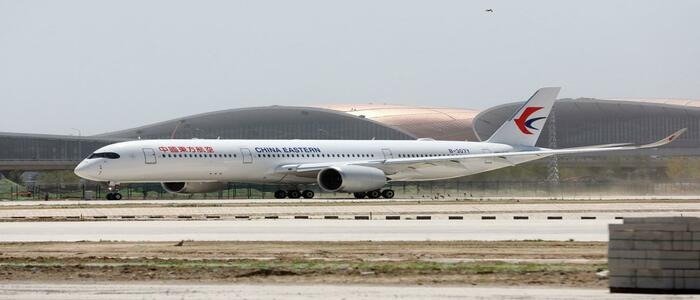
Country: China
Reported fleet: 685+ aircraft
Reporting date: 2025/2026
Headquarters: Shanghai
China Eastern Airlines is one of China’s major state-backed airlines and a significant operator in the Asian aviation market.
With its main hub in Shanghai, the airline connects passengers across China and international destinations.
Aircraft types in China Eastern’s fleet
Its fleet includes aircraft from several manufacturers:
- Airbus A320 family.
- Airbus A330.
- Airbus A350.
- Boeing 737.
- Boeing 777.
- COMAC C919.
One particularly interesting aircraft is the COMAC C919, a Chinese-developed narrowbody passenger aircraft.
China Eastern was the launch operator of the C919, helping introduce this aircraft into commercial passenger services.
Why is China Eastern important?
China’s domestic aviation market has substantial passenger demand because of its large population, major business centers, and extensive domestic travel requirements.
China Eastern supports this demand through:
- Domestic passenger operations.
- International connections.
- Business travel services.
- Long-haul flights.
- Regional connectivity.
Its fleet growth also demonstrates the increasing importance of Chinese aircraft manufacturing in the global aviation industry.
China Southern Airlines—Asia’s Major Aviation Powerhouse
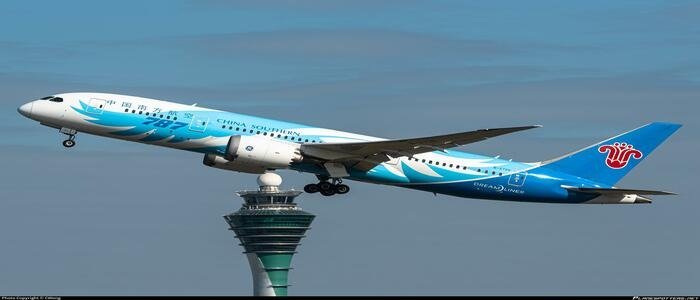
Country: China
Reported fleet: 670+ aircraft
Reporting date: 2025/2026
Headquarters: Guangzhou
China Southern Airlines is one of the largest airlines in Asia and a major contributor to China’s domestic and international aviation networks.
The airline operates a substantial fleet and serves numerous destinations through its hubs, particularly Guangzhou.
Aircraft operated by China Southern
Its fleet includes:
- Airbus A319/319neo
- Airbus A320 family.
- Airbus A330.
- Airbus A350.
- Boeing 737.
- Boeing 777.
- Boeing 787.
- COMAC C919.
The airline’s aircraft portfolio supports different passenger markets, from short domestic routes to long-haul international services.
What makes China Southern’s operations significant?
China Southern’s scale is supported by the size of China’s domestic aviation market.
Its operations require extensive coordination between:
- Airport ground-handling companies.
- Aircraft maintenance teams.
- Flight operations departments.
- Passenger service teams.
- Baggage handling operations.
- Cargo and logistics departments.
The airline also has experience operating very large aircraft. It previously operated the Airbus A380, although it retired its final examples from commercial service in 2022.
Ryanair—Europe’s Low-Cost Aviation Leader
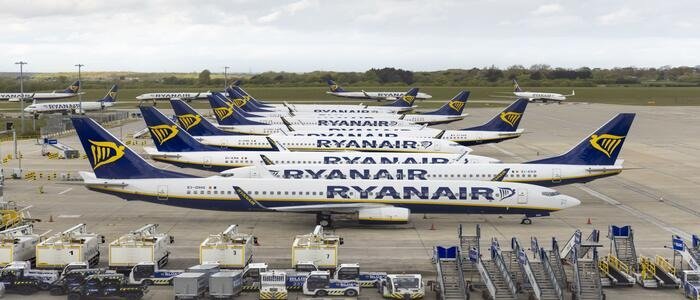
Country: Ireland
Reported fleet: 647 aircraft
Reporting date: September 2026
Headquarters: Swords, Ireland
Ryanair is one of the world’s largest low-cost airline operators and Europe’s leading airline by fleet size in this comparison.
Its business model focuses on affordable fares, high aircraft utilization, and efficient short-haul operations.
Aircraft types operated by Ryanair
The fleet primarily consists of:
- Boeing 737-800.
- Boeing 737-8200 Game Changer.
- Airbus A320 aircraft associated with its Lauda operation.
The Boeing 737-8200 Game-changer offers a higher seating capacity than earlier versions, supporting Ryanair’s low-cost operating strategy.
Why is Ryanair’s fleet so important?
Ryanair demonstrates how a low-cost airline can build a substantial fleet without operating an extensive long-haul network.
Its business strategy focuses on:
High aircraft utilization: Aircraft are scheduled to spend more time flying and less time sitting at airport gates.
Fast turnaround: Ground teams work to prepare aircraft for their next departure efficiently and safely.
Cost control: Standardized aircraft and simplified services support lower operating costs.
Route flexibility: The airline operates numerous short-haul routes across Europe and nearby markets.
Ground handling: A key part of Ryanair’s model
Ryanair’s business model depends heavily on efficient airport turnaround processes.
A typical turnaround involves:
- Aircraft arrival and parking.
- Passenger disembarkation.
- Baggage unloading.
- Aircraft cleaning and cabin preparation.
- Refueling.
- Passenger boarding.
- Baggage loading and final checks.
- Departure clearance and pushback.
Every minute matters, but safety must never become a victim of the stopwatch.
That is an important lesson for airport operations professionals.
Air China—A Major International Airline Operator
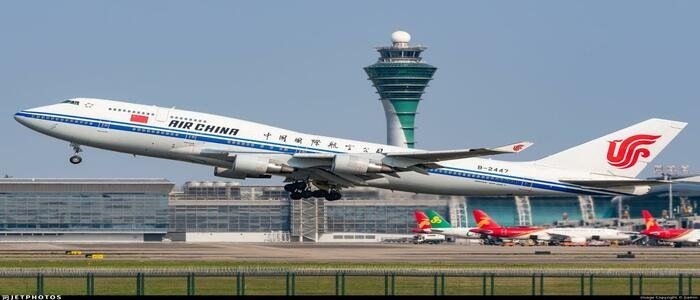
Country: China
Reported fleet: 533 aircraft
Headquarters: Beijing
Air China is one of China’s major international airlines and its national flag carrier.
With Beijing as its principal hub, Air China provides extensive domestic and international connectivity.
Major aircraft types
Its aircraft portfolio includes:
- Airbus A320 family.
- Airbus A330.
- Airbus A350.
- Boeing 737.
- Boeing 747.
- Boeing 777.
- Boeing 787.
The airline uses narrowbody aircraft for domestic and regional routes and widebody aircraft for longer international services.
Air China’s contribution to global aviation
Air China plays an important role in connecting China with major international markets.
Its operations support:
- Business travel.
- Tourism.
- International trade.
- Cargo transportation.
- Domestic passenger connectivity.
The airline also demonstrates the importance of a strong national carrier in supporting a country’s international aviation network.
Which Region Has the Largest Airline Fleets in 2026?
The distribution of the largest airline fleets reveals an interesting picture of the global aviation industry.
North America, Asia, and Europe dominate the rankings, but their airlines follow different business strategies.
Let’s examine the major aviation regions.
North America: The home of the biggest airline fleets
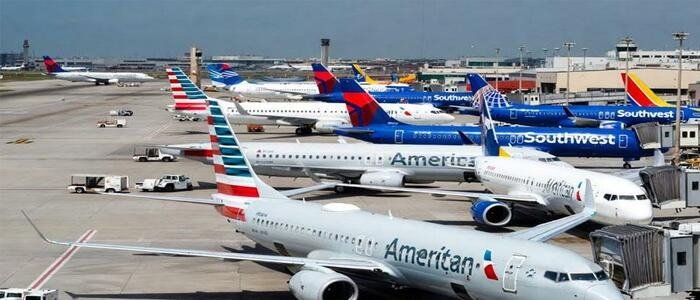
North America, particularly the United States, has an impressive concentration of large airline operators.
United Airlines, American Airlines, Delta Air Lines, and Southwest Airlines occupy the first four positions in our passenger-airline ranking.
Several factors explain this dominance:
- A large domestic passenger market.
- Extensive airport infrastructure.
- Major international connecting hubs.
- Strong demand for business and leisure travel.
- Established airline networks.
- Significant aircraft investment.
The United States also has a highly developed regional aviation system, which adds another layer of connectivity to its major airlines.
Asia: China’s aviation giants and India’s rapid expansion
Asia is another major center of airline fleet growth.
China Southern, China Eastern, and Air China operate some of the largest fleets in the world.
India is also becoming increasingly important, with IndiGo leading the country’s airline market by fleet size.
Asia’s aviation growth is supported by:
- Increasing middle-class travel demand.
- Growing international tourism.
- Domestic connectivity requirements.
- Expanding business travel.
- Investments in airports and aviation infrastructure.
- Demand for additional aircraft capacity.
The region is expected to remain an important market for aircraft manufacturers, airlines, airports, and aviation service providers.
Europe: Low-cost airlines lead fleet expansion
Europe has a particularly competitive aviation market.
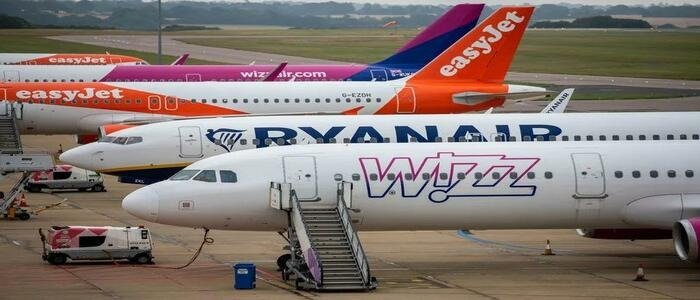
Ryanair, easyJet, and Wizz Air demonstrate the importance of low-cost airlines in the region.
These operators focus on affordable travel, high aircraft utilization, and efficient turnaround procedures.
European airlines must also manage challenges such as:
- Airport capacity restrictions.
- Air traffic congestion.
- Environmental regulations.
- Seasonal passenger demand.
- Operational disruption.
- Competition between low-cost and traditional carriers.
Their success depends heavily on cost management and operational efficiency.
Middle East: Smaller fleets, enormous international reach
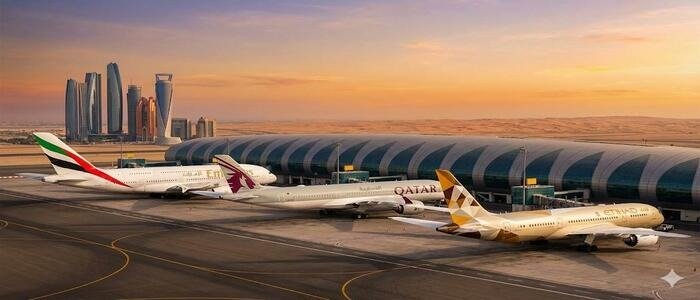
The Middle East has some of the world’s most recognizable international airlines.
Emirates, Qatar Airways, and Etihad Airways have developed global networks using strategically located connecting hubs.
Although their fleet sizes may be smaller than those of the largest American and Chinese operators, their widebody aircraft and international route networks give them significant global influence.
Dubai, Doha, and Abu Dhabi are important connecting points for international passengers.
The Middle East’s aviation strategy demonstrates that fleet size alone does not determine international market influence.
What Types of Aircraft Make Up the Largest Airline Fleets?
Not all aircraft are designed for the same purpose.
An airline operating 300 aircraft may use different models for domestic, regional, and international flights.
Understanding the main aircraft categories helps explain how the largest airline fleets operate.
1. Narrowbody aircraft
Narrowbody aircraft have a single passenger aisle and are commonly used for domestic, regional, and short-to-medium-haul international flights.
Popular examples include:
- Airbus A320.
- Airbus A321.
- Boeing 737-800.
- Boeing 737 MAX.
These aircraft are particularly important for low-cost airlines because they offer flexibility and can operate frequent services between cities.
2. Widebody aircraft
Widebody aircraft have two passenger aisles and generally offer greater passenger capacity and long-range capabilities.
Popular examples include:
- Airbus A330.
- Airbus A350.
- Boeing 777.
- Boeing 787 Dreamliner.
They are essential for long-haul international services and high-demand routes.
3. Regional aircraft
Regional aircraft serve shorter routes and connect smaller cities with major aviation hubs.
Examples include:
- Embraer E175.
- Embraer E190.
- ATR 72.
- Bombardier CRJ aircraft.
They are particularly useful where passenger demand does not justify operating larger aircraft.
4. Cargo aircraft
Cargo aircraft transport commercial goods, parcels, industrial equipment, and other freight.
Major cargo operators include FedEx, UPS Airlines, and Atlas Air.
These operators are not included in the passenger-airline ranking above because their business models and fleet requirements differ.
However, they are essential to the global aviation industry.
Why Do Airlines Continue to Expand Their Aircraft Fleets?
Aircraft are expensive assets. Purchasing a single new commercial aircraft can require an investment of tens or hundreds of millions of dollars, depending on the model, configuration, and commercial agreement.
So why do airlines continue to order more aircraft?
There are several important reasons.
1. Increasing passenger demand
As populations grow and more people travel for business and leisure, airlines need additional capacity.
New aircraft allow airlines to introduce more flights and serve additional destinations.
2. Expanding international networks
Airlines want to reach new markets and strengthen their international presence.
Additional aircraft allow them to launch new routes and increase frequencies on popular services.
3. Replacing older aircraft
Older aircraft can become more expensive to maintain and operate.
New-generation aircraft offer improvements in fuel efficiency, technology, and environmental performance.
4. Improving operational reliability
A larger fleet can provide scheduling flexibility and additional aircraft availability when maintenance or unexpected technical problems occur.
However, additional aircraft only improve resilience when airlines have adequate crews, maintenance capacity, and airport resources.
5. Competing with other airlines
Fleet expansion can help airlines increase market share and strengthen their position in competitive markets.
An airline that offers more convenient departure times and additional destinations may attract passengers who otherwise would choose a competitor.
6. Developing new aviation markets
Emerging markets such as India and Southeast Asia provide opportunities for airlines to increase their presence.
New aircraft enable airlines to serve developing cities and previously underserved routes.
What Are the Biggest Challenges Facing Large Airline Fleets in 2026?
Operating hundreds of aircraft creates opportunities, but it also introduces significant operational and financial challenges.
The aviation industry faces several important issues.
Rising operating costs
Fuel, maintenance, aircraft leasing, airport charges, and labour costs can affect airline profitability.
Airlines must constantly review their operating expenses to remain competitive.
Aircraft delivery delays
Aircraft manufacturers and their supply chains face production and delivery challenges.
When new aircraft arrive later than planned, airlines may need to extend the operation of older aircraft or adjust their schedules.
Maintenance and spare parts availability
Large fleets require a continuous supply of spare parts, technical expertise, and maintenance facilities.
Supply-chain disruptions can reduce aircraft availability and affect flight schedules.
Pilot and aviation staff requirements
Fleet expansion requires additional qualified pilots, cabin crew, engineers, dispatchers, ground-handling personnel, and operational managers.
Recruitment and training must therefore keep pace with aircraft deliveries.
Airport infrastructure limitations
More aircraft require additional airport capacity.
Airports need sufficient:
- Parking stands.
- Boarding gates.
- Runways and taxiways.
- Baggage handling systems.
- Ground support equipment.
- Passenger processing facilities.
Without adequate infrastructure, fleet growth can increase congestion and operational pressure.
Environmental sustainability
Airlines face increasing pressure to reduce emissions and improve fuel efficiency.
They are investing in newer aircraft, operational improvements, and sustainable aviation fuel initiatives.
However, the transition requires significant investment and collaboration across the aviation industry.
Conclusion: The Future of the World’s Largest Airline Fleets
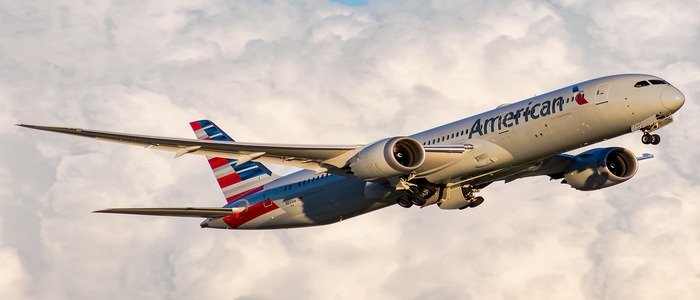
The largest airline fleets in 2026 demonstrate the scale and competitiveness of the modern aviation industry.
United Airlines leads the passenger-airline ranking with more than 1,100 mainline aircraft, followed by American Airlines and Delta Air Lines. China’s major airlines, Europe’s low-cost operators, and India’s rapidly expanding aviation market also play important roles in shaping the global fleet landscape.
However, the real achievement is not simply operating hundreds or thousands of aircraft.
It is managing those aircraft safely, efficiently, and profitably while delivering a reliable experience to millions of passengers.
From aircraft maintenance and flight scheduling to baggage handling, ramp operations, and passenger services, every department contributes to successful airline operations.
As aviation continues to grow, airlines will invest in modern aircraft, digital technologies, sustainable operations, and skilled aviation professionals.
One thing is certain: the competition for the world’s largest airline fleets will continue, and the next generation of aviation leaders will have plenty of aircraft to manage!
Frequently Asked Questions About the Largest Airline Fleets

1. Which airline has the largest fleet in the world in 2026?
United Airlines has the largest directly operated mainline passenger fleet in the November 2026 ranking, with approximately 1,137 aircraft reported as of September 2026.
It leads American Airlines and Delta Air Lines in this comparison.
2. Which airline has more than 1,000 aircraft?
Three airlines in this ranking operate more than 1,000 mainline aircraft:
- United Airlines: 1,137 aircraft.
- American Airlines: 1,030 aircraft.
- Delta Air Lines: 1,004 aircraft.
These figures use their respective reporting dates in 2026.
3. Which airline has the largest fleet in Europe?
Ryanair is Europe’s largest airline by directly operated fleet size in this comparison, with 647 aircraft reported as of September 2026.
It is followed by easyJet, with 356 aircraft reported as of March 2026.
4. Which airline has the largest fleet in Asia?
China Eastern Airlines leads the Asian airlines in this particular ranking, with 685 aircraft reported as of December 2025.
China Southern Airlines follows with 670 aircraft, while Air China operates 533 aircraft.
5. Does a larger airline fleet mean better airline performance?
Not necessarily.
Fleet size measures the number of aircraft an airline operates, but it does not directly measure profitability, customer satisfaction, operational reliability, or passenger numbers.
Other important performance indicators include:
- Passenger load factor.
- Revenue per available seat-kilometer.
- Operating costs.
- On-time performance.
- Aircraft utilization.
- Customer satisfaction.
- Safety and regulatory compliance.
A smaller airline can outperform a larger competitor in several of these areas.
Facebook: https://www.facebook.com/rehan.ghauri
Instagram: https://www.instagram.com/contentflyers0/
Twitter: https://www.twitter.com/contentflyers0/
Pinterest: https://www.pinterest.com/contentflyers0/
