

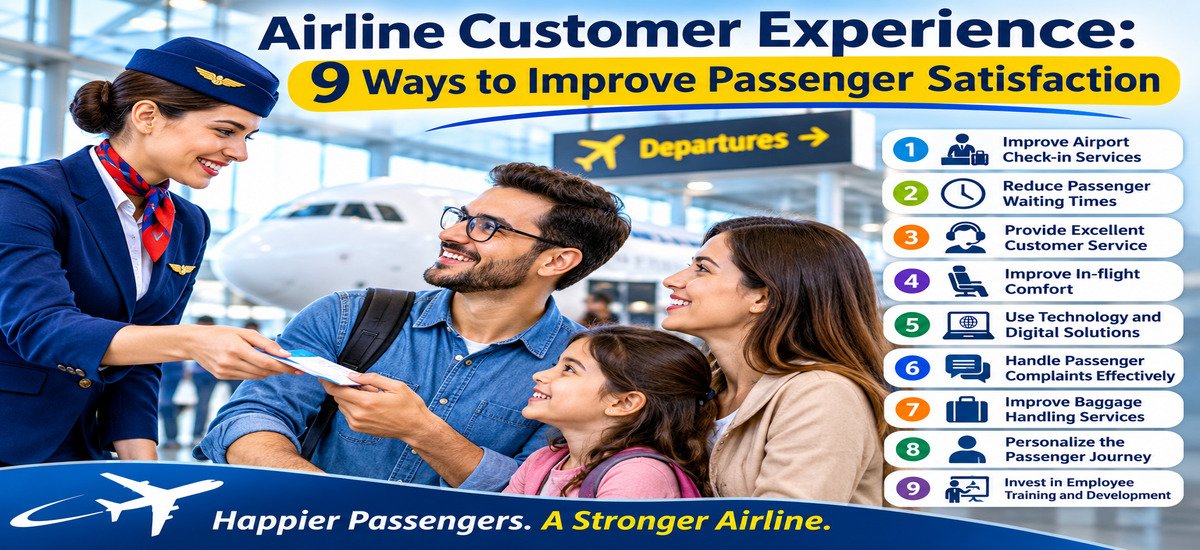
Airline customer experience is one of the most important factors influencing passenger satisfaction, airline reputation, and long-term customer loyalty. From booking a ticket to checking in, boarding an aircraft, enjoying in-flight services, and collecting baggage, every interaction shapes how passengers perceive an airline.
In today’s competitive aviation industry, passengers expect more than transportation. They want convenient booking, shorter waiting times, comfortable journeys, helpful employees, reliable communication, and quick solutions when problems occur.
This article explores nine practical ways airlines can improve customer experience, strengthen passenger relationships, and deliver better services throughout the travel journey. It also examines the role of technology, employee training, operational efficiency, and customer feedback in building a passenger-focused airline.
Table of Contents
Introduction: Why Airline Customer Experience Matters

The aviation industry is not only about transporting passengers from one destination to another. It is also about creating a reliable, comfortable, safe, and memorable travel experience.
For passengers, the journey begins long before they enter an aircraft. It starts when they search for flights, compare ticket prices, make reservations, and receive travel information. Their experience continues at the airport through check-in, baggage acceptance, security procedures, boarding, and interactions with airline representatives.
Once passengers board the aircraft, cabin cleanliness, seat comfort, crew behaviour, food quality, and communication become important parts of the overall experience.
This is why airline customer experience plays such an important role in the success of modern airlines.
A passenger who receives friendly assistance, accurate information, and efficient service is more likely to develop trust in an airline. On the other hand, long queues, poor communication, mishandled baggage, and unresolved complaints can damage an airline’s reputation.
Airlines must therefore look beyond individual service departments and focus on the complete passenger journey.
From airport ground handling to in-flight hospitality, every employee and operational department contributes to the passenger experience.
The good news is that airlines do not always need expensive technology or major infrastructure investments to improve customer satisfaction. Sometimes, better communication, effective staff training, efficient coordination, and a genuine willingness to help passengers can make a significant difference.
Let’s explore nine practical ways airlines can improve passenger satisfaction and create a better travel experience.
1. Improve Airport Check-in Services
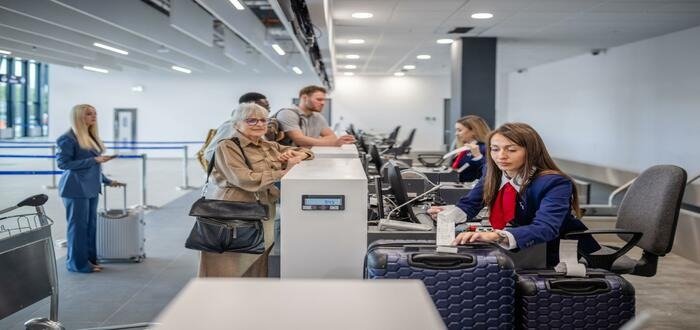
The airport check-in process is one of the first direct interactions passengers have with airline employees. A smooth and efficient check-in experience creates a positive first impression and helps passengers begin their journey with confidence.
Unfortunately, long queues, slow document verification, confusing procedures, and insufficient staff can create unnecessary frustration.
Airlines can improve this process through several practical measures:
- Introduce online check-in: Allow passengers to check in through airline websites and mobile applications before arriving at the airport.
- Provide self-service kiosks: Enable passengers to print boarding passes and baggage tags independently where facilities permit.
- Improve counter management: Allocate sufficient check-in counters according to flight schedules and passenger volumes.
- Train check-in employees: Ensure staff can handle travel documents, reservation systems, baggage procedures, and passenger inquiries.
- Provide special assistance: Support elderly passengers, families with children, and passengers with reduced mobility.
Airlines should also maintain effective coordination between check-in teams, airport authorities, security personnel, and ground-handling companies.
For example, when a flight experiences an unexpected increase in passenger numbers, supervisors should assess counter requirements and arrange additional manpower where possible.
A well-organized check-in operation reduces waiting times, improves service delivery, and strengthens the overall airline customer experience.
2. Reduce Passenger Waiting Times
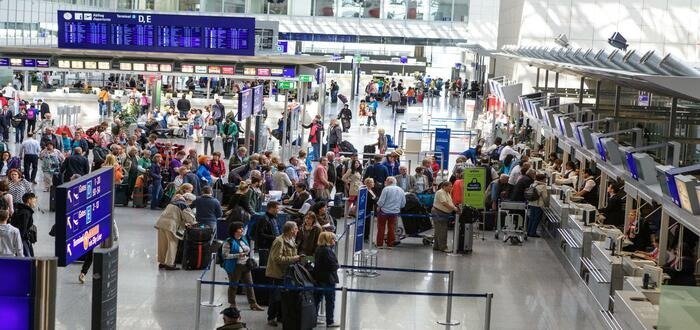
Waiting is one of the most frustrating parts of air travel. Passengers may encounter queues at check-in counters, security screening, immigration, boarding gates, and baggage collection areas.
Although some waiting periods are unavoidable because of security requirements and operational circumstances, airlines can take steps to minimize unnecessary delays.
One effective approach is better operational planning.
Airline operations teams should monitor passenger volumes, flight schedules, counter performance, and boarding progress. This information helps supervisors identify potential bottlenecks before they affect passengers.
Some practical solutions include:
- Increasing counter availability during peak travel periods.
- Introducing priority services for eligible passengers.
- Improving coordination between airport departments.
- Providing clear boarding announcements.
- Using automated passenger processing systems.
- Communicating expected waiting times where reliable information is available.
Technology can also help airlines understand passenger movement and identify congestion.
According to SITA’s 2025 Passenger IT Insights, shorter queues and smoother journeys remain important passenger expectations. Digital identity and automated checkpoints are among the solutions being explored to improve airport processing.
However, reducing waiting times is not simply about introducing technology. Effective manpower planning, clear responsibilities, and strong communication between operational departments are equally important.
Practical example: If a flight is scheduled to depart during a busy evening period, the airline’s airport supervisor should review expected passenger numbers, check-in counter requirements, and boarding arrangements in advance. This proactive approach can prevent avoidable congestion.
3. Provide Excellent Customer Service

Excellent customer service is one of the strongest foundations of a positive airline customer experience.
Passengers interact with different employees throughout their journey, including reservation agents, check-in staff, boarding agents, cabin crew, baggage representatives, and customer service teams.
Every interaction influences how passengers evaluate the airline.
A friendly greeting, patient explanation, and willingness to help can turn an ordinary interaction into a positive experience.
Airlines should develop a customer-focused service culture in which employees understand that their responsibilities extend beyond completing operational tasks.
Important customer service practices include:
Active listening: Employees should listen carefully to passengers before providing solutions. Interrupting or ignoring concerns can increase frustration.
Clear communication: Staff should explain procedures, requirements, and available options using simple language.
- Professional behavior: Employees should remain polite, respectful, and patient, even when dealing with difficult situations.
- Empathy: Passengers may be tired, anxious, confused, or travelling under difficult personal circumstances. Understanding their feelings can improve the quality of assistance.
- Ownership: Employees should take responsibility for directing passengers to the appropriate department instead of repeatedly transferring them without assistance.
- Airlines should also empower frontline employees to resolve routine issues within clearly defined policies and authority limits.
- For example, a passenger who has difficulty understanding a boarding announcement should receive clear and patient assistance rather than being directed from one counter to another.
Good customer service does not always require expensive solutions. Often, a professional attitude and genuine willingness to help make the biggest difference.
4. Improve In-flight Comfort
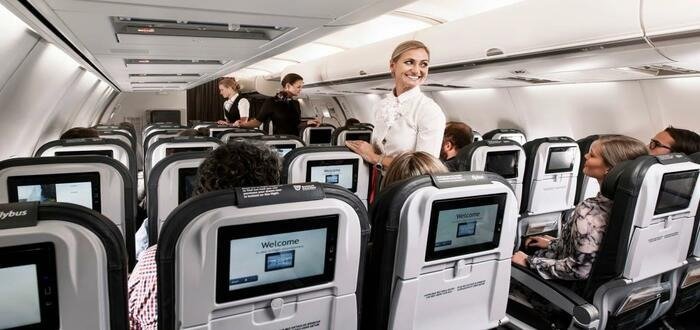
The in-flight experience is another major element of the airline customer experience.
Once passengers board an aircraft, their expectations shift towards comfort, cleanliness, hospitality, and reliable service.
Even when an airline offers competitive ticket prices, an uncomfortable cabin or poor onboard service can negatively influence passenger satisfaction.
Airlines should pay attention to several important factors.
- Seat comfort: Maintain clean and properly functioning seats with suitable legroom for the aircraft configuration.
- Cabin cleanliness: Ensure seats, tray tables, lavatories, and common areas are cleaned according to operational standards.
- Food and beverages: Provide appropriate meal options and maintain consistent catering quality.
- Cabin crew professionalism: Train crew members to deliver friendly, respectful, and attentive service.
- Entertainment: Offer suitable entertainment options and convenient charging facilities where available.
- Cabin environment: Maintain appropriate lighting, temperature, and cabin comfort.
Passengers travelling on long-haul flights may place greater importance on seat comfort, meal quality, entertainment, and opportunities to rest.
Meanwhile, short-haul passengers may prioritize efficient boarding, punctual departures, and quick onboard service.
Airlines should understand these differences when designing their service offerings.
The objective is not necessarily to provide luxury services on every flight. It is to deliver a consistent experience that meets the expectations associated with the airline’s product and ticket price.
5. Use Technology and Digital Solutions
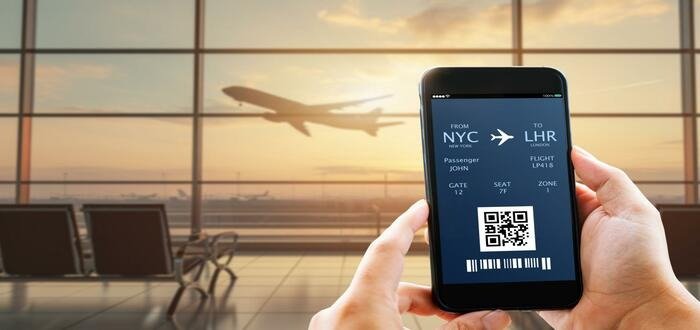
Technology is transforming the way passengers interact with airlines.
Modern travelers increasingly expect convenient digital services that allow them to manage their journeys without unnecessary paperwork or repeated visits to airport counters.
From online reservations to mobile boarding passes, technology can simplify several stages of the passenger journey.
Airlines should consider investing in the following solutions:
- Mobile applications: Passengers should be able to book flights, manage reservations, select seats, check in, and receive travel notifications.
- Digital boarding passes: Mobile boarding passes can reduce the need for printed documents and make airport processing more convenient.
- Artificial intelligence: AI-powered customer support can help answer common questions about baggage allowances, flight schedules, reservations, and travel policies.
- Biometric identification: Where legally permitted and appropriately protected, biometric systems can simplify identity verification at selected airport checkpoints.
- Real-time flight notifications: Passengers should receive timely updates about delays, cancellations, gate changes, and boarding information.
- Digital baggage tracking: Passengers benefit from better visibility into the status of their checked baggage.
Recent industry research demonstrates the growing importance of digital passenger services.
According to IATA’s 2026 Global Passenger Survey, 58% of surveyed passengers had experienced biometric identification during their airport journey in the previous 12 months, and 87% of those who had used it reported satisfaction. The survey also found strong interest in digital passports and integrated smartphone services.
However, airlines must balance convenience with privacy and data protection.
Passengers should understand how their personal information is collected, processed, stored, and shared. Digital alternatives should also be supported by appropriate assistance for passengers who cannot or prefer not to use them.
Technology should make the passenger journey easier, not create additional barriers.
6. Handle Passenger Complaints Effectively
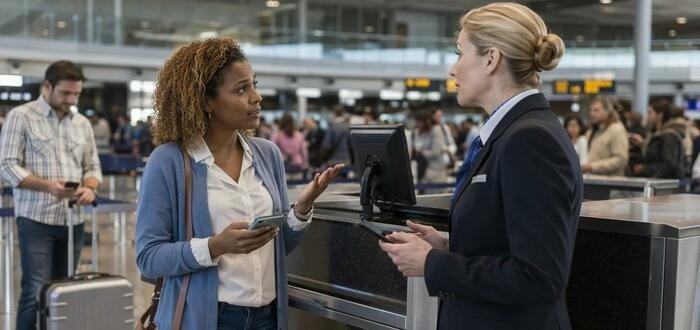
Even the best-managed airlines occasionally experience operational problems.
Flight delays, cancellations, baggage irregularities, seat allocation issues, missed connections, and reservation errors can affect passenger satisfaction.
What makes the difference is how effectively an airline responds to these situations.
A complaint should not be viewed simply as a negative interaction. It is an opportunity to understand a service failure, restore passenger confidence, and improve internal procedures.
Airlines should establish a structured complaint-handling process.
- Step 1: Listen carefully. Allow passengers to explain their concerns without unnecessary interruptions.
- Step 2: Acknowledge the problem. Show understanding and recognize the inconvenience experienced by the passenger.
- Step 3: Investigate the situation. Check reservation details, operational records, baggage information, or relevant departmental reports.
- Step 4: Explain available solutions. Provide accurate information about the options available under applicable airline policies and passenger rights.
- Step 5: Follow up. Ensure that the passenger receives an appropriate response and that the matter is not unnecessarily left unresolved.
Employees should avoid making promises that cannot be fulfilled. Honest communication is more valuable than providing unrealistic assurances.
For example, if a passenger misses a connecting flight because of an operational disruption, the airline should explain the available rebooking or assistance arrangements clearly and promptly.
Communication is especially important during irregular operations. Canada’s Air Passenger Protection guidance, for example, highlights the importance of clear explanations and regular updates when travel problems occur. Specific legal obligations differ between jurisdictions.
Airlines should also record complaints and analyze recurring problems. If several passengers report similar issues with baggage delivery or check-in procedures, management should investigate the underlying operational cause.
7. Improve Baggage Handling Services

Baggage handling is an essential part of the airline customer experience, but passengers often notice it most when something goes wrong.
Lost, delayed, damaged, or incorrectly delivered baggage can create significant inconvenience, particularly for international travelers, families, and passengers with connecting flights.
An effective baggage operation requires coordination between check-in staff, baggage handling teams, ramp personnel, load control, airport authorities, and airline representatives.
Airlines and ground-handling companies should focus on the following improvements:
- Ensure baggage tags are printed correctly and attached securely.
- Verify baggage routing information before loading.
- Maintain accurate baggage reconciliation procedures.
- Improve coordination between ramp teams and load control.
- Monitor baggage transfer operations for connecting passengers.
- Provide clear instructions for reporting delayed or damaged baggage.
- Use tracking systems to improve baggage visibility.
Technology is also creating opportunities to improve baggage services.
SITA’s Baggage IT Insights research highlights the growing role of mobile baggage tracking and digital updates in improving passenger confidence.
For example, when passengers can receive updates about their baggage status, they have better visibility and fewer reasons to worry about where their luggage is.
However, technology alone cannot guarantee successful baggage delivery. Employees must follow established handling procedures, maintain accurate records, and communicate effectively during irregular operations.
From an airport operations perspective, baggage performance should be monitored through indicators such as mishandled baggage rates, delivery performance, and baggage tracing resolution times.
A reliable baggage operation builds passenger confidence and contributes directly to a better airline customer experience.
8. Personalize the Passenger Journey

Passengers have different expectations, travel purposes, and service requirements.
A business traveler may prioritize punctuality, flexible booking, and fast airport processing. A family travelling with children may need additional assistance, suitable seating, and clear travel information.
Similarly, elderly passengers and people with disabilities may require additional support throughout their journeys.
Personalization allows airlines to understand these differences and deliver services that better match individual passenger needs.
Some practical ways to personalize the passenger journey include:
- Remembering passenger preferences where consent and applicable privacy rules allow.
- Providing suitable seating options.
- Offering relevant meal choices.
- Supporting passengers with reduced mobility.
- Providing family-friendly travel assistance.
- Delivering personalized loyalty program benefits.
- Sending relevant and timely travel notifications.
Airlines can also use customer relationship management systems to understand passenger preferences and previous service interactions.
However, personalization should be based on accurate information and responsible data management.
Passengers should not receive irrelevant promotional messages or feel that their privacy is being compromised.
The objective is simple: make passengers feel recognized, respected, and supported throughout their journey.
When airlines understand individual needs, they can create more meaningful relationships and encourage repeat business.
9. Invest in Employee Training and Development

Employees are the backbone of airline customer experience.
From airport ground operations to cabin services, employees directly influence service quality, operational efficiency, and passenger satisfaction.
Even when airlines invest in modern aircraft, advanced airport facilities, and sophisticated digital systems, poorly trained employees can undermine the entire experience.
For this reason, continuous employee training should be a major priority.
Airlines should develop training programs covering:
- Customer service skills: Employees should understand professional communication, active listening, empathy, and complaint handling.
- Operational procedures: Staff should receive appropriate training in check-in, boarding, baggage handling, ramp coordination, and relevant departmental responsibilities.
- Safety and security awareness: Employees must understand and follow applicable aviation safety and security requirements.
- Communication skills: Staff should be able to communicate effectively with passengers and colleagues from different cultural and language backgrounds.
- Problem-solving: Employees should learn how to identify operational issues and respond appropriately within their authority.
- Technology training: Staff must understand the systems they use to manage reservations, passenger processing, baggage information, and flight operations.
Airlines should also provide regular refresher courses, performance assessments, and coaching sessions.
Supervisors and managers play an important role in this process. They should conduct briefings, monitor service standards, provide constructive feedback, and encourage employees to share ideas for improving operations.
For example, a check-in supervisor who identifies repeated passenger complaints about document verification can arrange targeted refresher training and review the relevant procedures with the team.
Training should not be treated as a one-time activity. It should be an ongoing investment in service quality and operational performance.
A knowledgeable, confident, and motivated workforce can turn airline service standards into a consistent passenger experience.
How Technology Is Transforming Airline Customer Experience
Technology is changing passenger expectations and creating new opportunities for airlines to improve service delivery.
The traditional travel process often involved printed tickets, manual document checks, physical queues, and limited access to real-time information.
Today, passengers increasingly expect connected digital services.
Here are five important technological developments shaping the industry.
1. Artificial Intelligence and Chatbots
AI-powered systems can help airlines respond to common passenger enquiries around the clock.
They can provide information about flight schedules, baggage policies, reservations, and travel requirements.
However, complex complaints and sensitive situations should still have access to trained human employees.
2. Biometric Passenger Processing
Facial recognition and other biometric technologies can support identity verification at selected airport checkpoints.
When implemented with appropriate consent, privacy safeguards, and regulatory approval, these solutions may reduce repetitive document checks and improve processing efficiency.
3. Mobile Travel Applications
Airline applications allow passengers to manage bookings, receive notifications, check in, and access boarding information from their smartphones.
A well-designed application can reduce uncertainty and improve communication.
4. Real-Time Baggage Tracking
Digital baggage tracking provides passengers with greater visibility into their luggage movements.
It can also help airline and ground-handling teams identify baggage issues more efficiently.
5. Predictive Operational Analytics
Airlines can use operational data to identify potential disruptions, anticipate passenger demand, and improve resource allocation.
For example, historical passenger volumes and flight schedules can help airport managers plan check-in staffing and boarding arrangements.
These technologies should be introduced according to operational requirements, passenger needs, data protection obligations, and available infrastructure.
The ultimate objective is to create a simpler, more reliable, and more connected travel experience.
Common Challenges Airlines Face in Improving Passenger Satisfaction
Although improving airline customer experience is important, airlines face several challenges when attempting to deliver consistent service.
Flight Delays and Cancellations
Weather conditions, technical problems, air traffic restrictions, and other operational factors can disrupt flight schedules.
Airlines should focus on timely communication, appropriate passenger assistance, and effective disruption management.
Staff Shortages
Insufficient manpower can affect check-in, boarding, customer service, and baggage operations.
Proper workforce planning and cross-functional coordination can help reduce service interruptions.
Increasing Passenger Expectations
Passengers increasingly expect convenient digital services, personalized communication, and quick problem resolution.
Airlines must regularly review their service standards to remain competitive.
Operational Coordination
Airline operations involve multiple departments and external service providers.
Poor coordination between check-in, ramp, baggage, load control, and airport authorities can create avoidable problems.
Cost Management
Airlines must balance service improvements with financial sustainability.
Not every improvement requires a major investment. Better staff training, communication, process management, and operational planning can also deliver meaningful results.
How Airlines Can Measure Passenger Satisfaction
Improving customer experience requires more than making changes and hoping passengers notice them.
Airlines should regularly measure service performance and identify areas that need improvement.
Some useful performance indicators include:
| KPI | What it measures |
| Customer Satisfaction Score (CSAT) | Passenger satisfaction with a service |
| Net Promoter Score (NPS) | Likelihood of recommending the airline |
| Customer Effort Score (CES) | How easy it is for passengers to complete a task |
| Complaint Resolution Time | Time taken to resolve passenger complaints |
| On-Time Performance | Flight punctuality |
| Mishandled Baggage Rate | Frequency of baggage handling problems |
| Check-in Waiting Time | Time passengers spend waiting for check-in |
| Repeat Booking Rate | Passenger retention and repeat business |
Airlines can collect feedback through post-flight surveys, mobile applications, customer service interactions, social media, and direct passenger interviews.
However, collecting feedback is only the first step.
Management should analyze the results, identify recurring issues, assign responsibility, and implement corrective actions.
For example, if passenger feedback repeatedly identifies long check-in queues, the airline should review staffing levels, counter allocation, passenger arrival patterns, and processing procedures.
Regular performance monitoring helps airlines turn customer feedback into measurable service improvements.
Future Trends in Airline Customer Experience
The future of airline customer experience will be shaped by changing passenger expectations, digital innovation, and operational improvements.
Several developments are likely to influence the industry.
- More connected digital journeys: Passengers will increasingly expect to manage booking, payment, identity, and travel information through connected digital services.
- Greater use of biometrics: Biometric identification may become more common across airport processing, subject to privacy safeguards and regulatory approval.
- Personalized passenger services: Airlines will increasingly use customer information responsibly to offer more relevant services and communication.
- Smarter baggage operations: Improved tracking, automation, and data sharing can help reduce baggage uncertainty.
- AI-powered assistance: Artificial intelligence will support travel planning, customer inquiries, and operational decision-making.
- Greater focus on accessibility: Airlines will need to make digital and physical services easier to access for passengers with different requirements.
- Improved disruption communication: Passengers will expect timely, accurate, and consistent information when flights are delayed or cancelled.
The latest IATA Global Passenger Survey for 2026 highlights growing passenger interest in AI-assisted travel planning, biometric identification, and digital passports. These findings suggest that convenience and connected services will remain important priorities for the industry.
Airlines that combine innovation with reliable human service will be better positioned to meet these expectations.
Conclusion: Building a Better Airline Customer Experience
Airline customer experience is no longer just an additional service feature. It is an important part of airline performance, brand reputation, and long-term business success.
Passengers remember how an airline treats them throughout their journey. Efficient check-in, friendly employees, comfortable flights, reliable baggage handling, and timely communication all contribute to passenger satisfaction.
The nine strategies discussed in this article demonstrate that improving airline customer experience requires cooperation across every department.
Airline management should invest in employee development, improve operational coordination, adopt useful technology, and regularly evaluate passenger feedback.
However, technology alone cannot replace human interaction. A well-trained employee who listens, understands, and helps a passenger can make a lasting positive impression.
Ultimately, successful airlines will be those that understand one simple principle: A better passenger experience creates stronger customer relationships and a more competitive airline.
Frequently Asked Questions (FAQs)
1. What is airline customer experience?
Airline customer experience refers to the overall impression passengers develop through their interactions with an airline, from booking and airport check-in to boarding, in-flight services, and baggage collection.
2. Why is airline customer experience important?
It influences passenger satisfaction, customer loyalty, brand reputation, repeat bookings, and an airline’s ability to compete in the aviation market.
3. How can airlines improve passenger satisfaction?
Airlines can improve passenger satisfaction through efficient check-in, shorter waiting times, professional customer service, comfortable flights, reliable baggage handling, and effective complaint resolution.
4. How does technology improve airline customer experience?
Technology supports online check-in, mobile boarding passes, biometric identification, real-time flight notifications, baggage tracking, and AI-powered customer support.
5. What role do employees play in airline customer experience?
Employees directly influence service quality through their communication, professionalism, problem-solving abilities, operational knowledge, and willingness to assist passengers.
Facebook: https://www.facebook.com/rehan.ghauri
