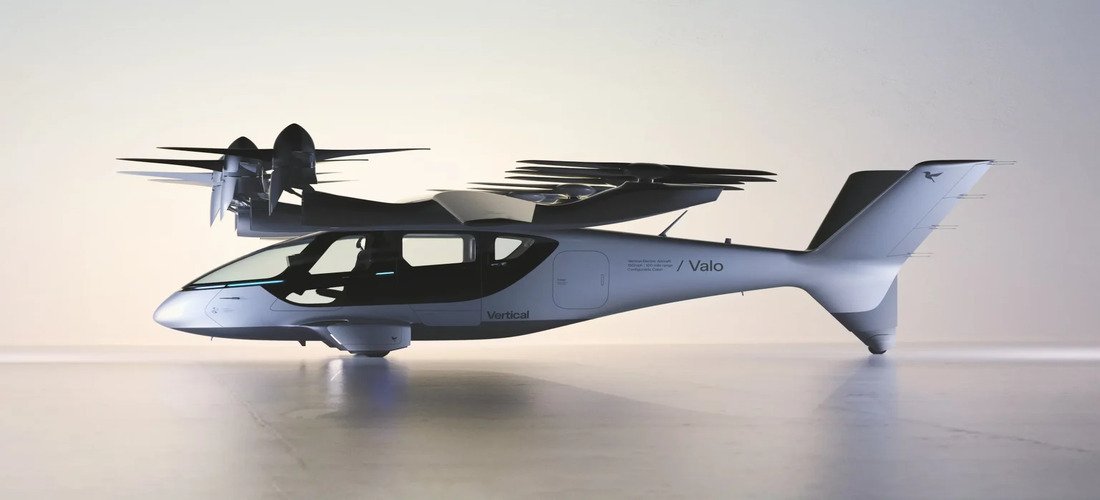
The world of aviation is taking an interesting flip! With the electric vertical takeoff and touchdown (eVTOL) aircraft growing as a sport-changer, towns are getting ready for a sky-high revolution.
Imagine hopping over site visitors in a quiet, electric flying taxi or commuting to work with the world literally at your feet! In this newsletter, we’ll explore Electric Vertical Takeoff and Landing (eVTOL) traits in 2025, along with technological breakthroughs, marketplace forecasts, and the effect on city existence, all whilst retaining the journey as a laugh and readable.
Table of Contents
Introduction

Urban mobility is evolving quicker than your favored superhero movie plot. Electric Vertical Takeoff and Landing (eVTOL) aircraft are not technological know-how fiction—they’re becoming a practical solution for congested cities and sustainable air travel. By 2025, eVTOL cars are anticipated to redefine how we reflect on commuting, package transport, or even emergency offerings.
In this article, we’ll cover:
- Key technological tendencies using eVTOL adoption
- The advantages and risks related to eVTOL
- Leading corporations investing in eVTOL improvement
- Regulatory and protection issues
- Future projections and market capability
We’ll also answer burning questions, sprinkle in a little humor, and keep things authoritative and trustworthy—because who says aviation content can’t be fun?
What Are Electric Vertical Takeoff and Landing (eVTOL) Aircraft?
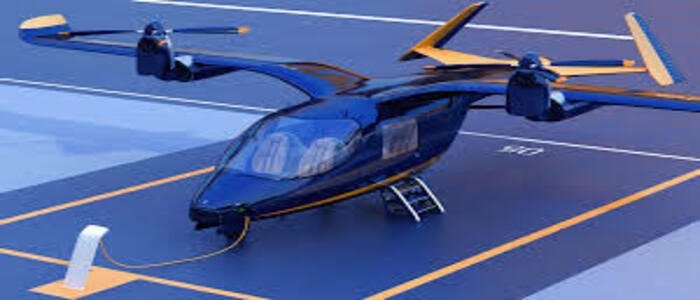
The eVTOL aircraft system consists of electric motors, which enable vertical flight operations through electric power generation. The operation of eVTOLs requires no runway access because they function differently than standard airplanes.
Key Features:
- The operation of eVTOLs occurs through silent electric motors, which produce no engine noise during flight.
- Vertical Takeoff and Landing: Perfect for city environments with restricted areas.
- Sustainable Travel operates with lower emissions than standard helicopters and small aircraft.
- Autonomous Flight Capabilities: The market now features multiple drone models that operate without human pilots or with reduced human involvement.
Top Electric Vertical Takeoff and Landing (eVTOL) Trends 2025

a) Urban Air Mobility (UAM) Expansion
Cities internationally are making plans for UAM networks, integrating eVTOLs into public shipping structures. Think of it as your Uber but inside the sky.
- Rapid city shuttle
- Reduced floor site visitor congestion
- Environmentally pleasant transportation
b) Battery Technology Breakthroughs
Battery efficiency is the heart of Electric Vertical Takeoff and Landing (eVTOL) success. 2025 trends focus on:
- Lightweight, high-capacity batteries
- Faster charging systems
- Increased flight duration and range
c) Autonomous Flight & AI Integration
Artificial intelligence is powering eVTOL navigation. By 2025, many aircraft will:
- Detect obstacles automatically.
- Optimize routes in real time.
- Reduce pilot workload.
d) Safety & Certification Developments
Safety is paramount. Regulatory bodies are introducing standards to certify eVTOL operations, including:
- Airworthiness regulations
- Noise and emission standards
- Pilot and operator licensing
e) Investment & Industry Growth
Major companies and investors are betting big on Electric Vertical Takeoff and Landing (eVTOL) technology:
- Joby Aviation
- Vertical Aerospace
- Lilium Jet
- Hyundai Urban Air Mobility
The market is projected to grow exponentially, making eVTOLs a key player in urban and regional transport by 2025.
Benefits of Electric Vertical Takeoff and Landing (eVTOL) Aircraft

- Environmentally Friendly: Zero emissions for cleaner skies
- Faster Commutes: Beat traffic like a superhero
- Noise Reduction: Quieter than traditional helicopters
- Flexible Infrastructure: Minimal space required for takeoff and landing
- Economic Opportunities: New jobs in aviation, tech, and urban transport
Challenges & Risks
As exciting as Electric Vertical Takeoff and Landing (eVTOL) sounds, there are hurdles:
- High Cost: Advanced technology and infrastructure are expensive
- Battery Limitations: Range and charging speed are still improving.
- Air Traffic Management: Integrating eVTOLs safely in crowded skies
- Public Acceptance: Will people feel safe commuting in flying taxis?
Future Outlook

By 2026, expect Electric Vertical Takeoff and Landing (eVTOL) aircraft to:
- Start commercial operations in major cities.
- Support emergency medical services and deliveries.
- Introduce semi-autonomous passenger flights.
- Foster a new era of sustainable urban mobility.
Humorous note: Don’t be surprised if your morning coffee delivery arrives via eVTOL before your Uber shows up! ☕✈️
Conclusion

The eVTOL revolution based on electric vertical take-off and landing technology will create a new era for urban transportation systems and emergency response operations and environmentally friendly air travel. The development of eVTOL aircraft has become possible because of technological advancements and rising investment levels and expanding regulatory backing.
The eVTOL system will create a better future through its ability to provide clean transportation that moves people at high speeds while creating an exciting experience. The year 2025 approaches, so you should fasten your seatbelt while protecting your coffee drink before starting your aerial journey.
FAQs

Q1: How far can electric vertical takeoff and landing (eVTOL) aircraft fly?
Flight range varies by model, but most 2025 eVTOLs can fly between 100 and 300 miles on a single charge, perfect for city commutes.
Q2: Are Electric Vertical Takeoff and Landing (eVTOL) aircraft safe?
Yes! Modern eVTOLs are equipped with redundant systems and autonomous navigation and are subject to strict aviation regulations.
Q3: How much does a ride in an eVTOL cost?
Costs are initially higher than traditional transport, but prices are expected to decrease as technology and mass production advance.
Q4: Can eVTOL aircraft carry cargo?
Absolutely. Many models are being designed for parcel delivery, emergency supplies, and light cargo transport.
Q5: When will eVTOLs become mainstream?
Industry experts predict limited operations in select cities by 2025, with broader adoption expected in the late 2020s.
Facebook: https://www.facebook.com/profile.php?id=61556242913524
Instagram: https://www.instagram.com/contentflyers0/
Twitter: https://www.twitter.com/contentflyers0/
Pinterest: https://www.pinterest.com/contentflyers0/