


Airline uniform comfort is much more than a fashion consideration. Flight attendants spend long hours standing, walking, reaching overhead, assisting passengers, handling service equipment, and responding to unexpected situations inside aircraft cabins. Their uniforms must support these responsibilities without creating unnecessary physical discomfort.
This article explores how better uniform designs can improve flight attendant well-being, workplace performance, confidence, and passenger experience. It examines breathable fabrics, ergonomic tailoring, footwear, climate adaptability, inclusive sizing, uniform maintenance, and the growing importance of employee feedback when airlines design their uniforms.
It also explains why airlines should view comfortable uniforms as an investment in their workforce rather than simply another branding expense.
Table of Contents
Introduction: Why Airline Uniform Comfort Matters More Than Ever
Imagine spending ten hours working inside an aircraft cabin. You are walking up and down narrow aisles, lifting service equipment, helping passengers with luggage, reaching overhead compartments, serving meals, and answering questions from people who have somehow managed to lose their boarding passes three times.
Now imagine doing all that while wearing a uniform that feels too tight, traps heat, irritates your skin, or causes your feet to hurt.
Not exactly a dream working environment!
This is why airline uniform comfort deserves considerably more attention from airlines, uniform designers, and aviation management professionals.
Flight attendants are among the most visible representatives of an airline. Their uniforms communicate professionalism, brand identity, and service standards. However, looking professional should never come at the expense of feeling comfortable.
A well-designed uniform should allow employees to perform their duties safely and confidently throughout their working hours. It should accommodate different body shapes, support natural movement, manage temperature changes, and remain presentable after repeated use.
The aviation industry has made significant progress in aircraft technology, passenger services, digital check-in, and operational efficiency. Yet employee uniforms also deserve innovation.
After all, an airline can invest millions in a modern aircraft, but if its cabin crew cannot comfortably move their arms or stand for extended periods because of poorly designed clothing, something important has been overlooked.
Airline uniform comfort is not simply about choosing softer fabric or fashionable designs. It is about creating workwear that supports the physical, professional, and psychological well-being of aviation employees.
1. Understanding the Real Challenges of Flight Attendant Uniforms
Flight attendants work in an environment that combines physical activity, customer service, safety responsibilities, and constantly changing conditions.
Unlike traditional office employees, cabin crew members cannot simply sit comfortably at a desk throughout their shifts. Their working environment requires continuous movement and adaptability.
1.1 Long Working Hours and Physical Demands
Flight attendants may spend several hours standing or walking during a single flight. Their responsibilities include:
- Welcoming and assisting passengers.
- Helping passengers store cabin baggage.
- Demonstrating safety procedures.
- Serving meals and beverages.
- Operating service trolleys.
- Responding to passenger requests.
- Assisting during medical or safety-related incidents.
- Maintaining cabin cleanliness and presentation.
These activities require clothing that supports natural movement.
A uniform that restricts shoulder movement, tightens around the waist, or causes discomfort around the knees can make routine responsibilities more difficult.
The US National Institute for Occupational Safety and Health (NIOSH) identifies lifting, reaching, bending, repetitive movement, and prolonged standing as potential contributors to work-related musculoskeletal disorders among aircrew.
This makes ergonomic uniform design an important consideration within broader workplace health and safety programs.
1.2 Temperature Changes Inside and Outside Aircraft
Cabin crew members experience different environmental conditions throughout their working day.
Consider a flight attendant departing from a hot airport in the Middle East and arriving at a much colder destination in Europe.
The employee may experience:
- Hot temperatures while travelling to and from the aircraft.
- Different temperatures during boarding and ground operations.
- Changing cabin conditions during the flight.
- Cold environments during layovers.
- Different weather conditions at the destination.
A uniform designed without climate adaptability can become uncomfortable very quickly.
The Australian Civil Aviation Safety Authority’s 2025 cabin crew uniform guidance specifically identifies thermal discomfort caused by temperature and climate differences as a uniform-design consideration.
Civil Aviation Safety Authority
1.3 Poorly Designed Uniforms Can Affect Confidence
Uniforms are closely connected with professional identity.
When employees wear clothing that fits properly and feels comfortable, they can generally move more naturally and feel more confident in their appearance.
On the other hand, uncomfortable uniforms may create distractions throughout the working day.
For example, an employee who constantly adjusts a tight jacket or struggles with uncomfortable shoes has less attention available for other responsibilities.
Airline uniform comfort should therefore support both physical usability and professional confidence.
1.4 Different Body Shapes Require Different Uniform Solutions
Airline employees come from different backgrounds and have different body proportions.
A single standard design may not provide a suitable fit for everyone.
Common uniform-fitting problems include:
- Jackets that restrict shoulder movement.
- Trousers that feel tight when sitting or bending.
- Skirts that restrict walking or climbing.
- Shirts that become uncomfortable during long shifts.
- Sleeves that interfere with reaching.
- Waistbands that create pressure during extended wear.
A professional uniform programme should offer appropriate sizing and tailoring options rather than expecting every employee to fit into one standard body shape.
2. How Better Fabric Choices Improve Airline Uniform Comfort
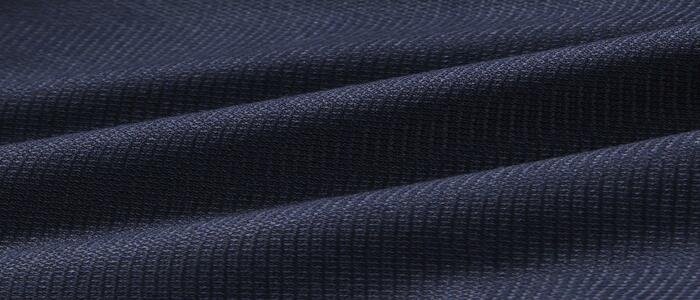
Fabric selection is one of the most important decisions in airline uniform development.
A beautiful design cannot compensate for material that traps heat, irritates skin, or loses its shape after a few washes.
The right fabric should balance comfort, durability, appearance, maintenance, and operational safety.
2.1 Breathable Fabrics for Long Working Hours
Breathability refers to how effectively a fabric allows air and moisture vapor to move through it.
For cabin crew, breathable fabrics can help reduce the uncomfortable feeling of trapped heat and moisture.
Some commonly considered materials include:
Cotton blends
Cotton is known for its soft feel and moisture absorption. It can be useful in shirts and selected uniform components, although pure cotton may wrinkle and dry more slowly than some blended alternatives.
Wool blends
Appropriately selected lightweight wool blends can offer temperature regulation, drape, and a professional appearance. Their suitability depends on fabric construction, climate, and maintenance requirements.
Performance polyester blends
Modern polyester fabrics can provide durability, shape retention, and relatively easy maintenance. However, not every polyester fabric offers the same breathability or moisture-management performance.
Stretch fabrics
A small amount of elastane or another suitable stretch fiber can improve flexibility in jackets, trousers, and skirts.
The key is to select fabrics based on actual performance testing rather than marketing descriptions.
2.2 Moisture Management and Sweat Control
Airline employees can experience physical exertion during boarding, service preparation, and unexpected operational situations.
Moisture-management fabrics can help transport perspiration away from the skin, improving comfort.
Important fabric characteristics include:
- Moisture absorption.
- Moisture transportation.
- Quick-drying performance.
- Air permeability.
- Resistance to unpleasant odours.
- Skin-friendly construction.
Airlines should evaluate these properties before selecting fabrics for their uniform collections.
2.3 Lightweight Materials Reduce Unnecessary Burden
Heavy clothing can become tiring when worn for extended periods.
Lightweight materials can make uniforms easier to wear while maintaining the required professional appearance.
However, lightweight should not mean fragile.
Airline uniforms must withstand frequent washing, repeated use, luggage handling, and everyday workplace activities.
The ideal material should combine:
- Low unnecessary weight.
- Appropriate durability.
- Comfortable movement.
- Good colour retention.
- Easy maintenance.
- Suitable performance in the airline’s operating environment.
2.4 Why Fabric Testing Matters
Airlines should not approve uniform materials simply because they look attractive in a designer’s showroom.
Testing should consider:
- Breathability.
- Stretch and recovery.
- Shrinkage after washing.
- Colourfastness.
- Abrasion resistance.
- Pilling.
- Seam durability.
- Skin comfort.
- Heat and flame behaviour.
Safety deserves particular attention.
Cabin crew uniforms may be worn during emergency response activities. The Civil Aviation Safety Authority’s uniform guidance highlights fabric flammability and protection against thermal hazards as important design considerations.
Civil Aviation Safety Authority
Therefore, the most comfortable material is not automatically the safest material. Airlines need to assess both requirements together.
3. Ergonomic Uniform Design: Making Movement Easier
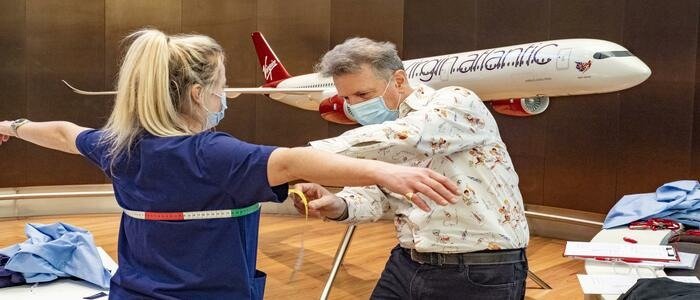
Ergonomics is the science of designing products and working environments around people’s needs and capabilities.
In aviation, ergonomics is especially important because cabin crew members work in relatively confined spaces and perform repetitive physical activities.
A uniform should complement the employee’s movements rather than restrict them.
3.1 Flexible Jackets and Shirts
A jacket may look excellent during a formal uniform presentation, but how does it perform when an employee reaches into an overhead compartment?
That is a much more useful question.
Well-designed jackets should include:
- Appropriate shoulder construction.
- Comfortable armholes.
- Flexible fabric panels where suitable.
- Proper sleeve length.
- Adequate room across the chest.
- Comfortable fastening systems.
Shirts should also allow employees to raise their arms, bend, and reach without excessive pulling or restriction.
3.2 Comfortable Trousers and Skirts
Lower-body garments should support walking, bending, sitting, and standing.
Trousers should provide sufficient room around the hips, thighs, knees, and waist.
Skirts should be designed with suitable proportions and construction to allow normal movement.
Possible design improvements include:
- Stretch waistbands.
- Flexible fabric blends.
- Carefully positioned seams.
- Appropriate garment length.
- Practical lining materials.
- Designs that do not restrict walking.
Airlines should also offer suitable uniform alternatives that meet their operational and appearance requirements.
3.3 Functional Pockets and Smart Storage
Flight attendants regularly carry small items needed for their duties.
These may include:
- Pens.
- Notebooks.
- Communication accessories.
- Identification cards.
- Small operational documents.
- Other approved work essentials.
Poorly positioned pockets can cause inconvenience or create pressure points.
Well-designed pockets should be accessible, secure, and positioned so that stored objects do not interfere with movement or emergency equipment.
CASA’s (Civil Aviation Safety Authority) uniform guidance also identifies the importance of suitable storage arrangements for frequently used items, particularly where sharp objects could create injury risks.
3.4 Seam Placement and Skin Comfort
Seams, labels, buttons, and fasteners may seem like minor design details.
However, repeated friction during long working hours can become irritating.
Uniform designers should pay attention to:
- Smooth internal seams.
- Soft labels.
- Appropriate stitching.
- Secure buttons.
- Comfortable lining.
- Reduced friction around high-movement areas.
These small improvements can make a meaningful difference to everyday wearability.
4. Why Footwear Is an Essential Part of Airline Uniform Comfort
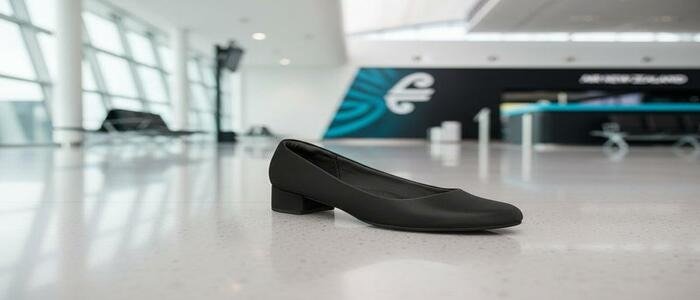
When people think about airline uniforms, they usually imagine jackets, shirts, trousers, scarves, and accessories.
But there is one important element that deserves equal attention: footwear.
A flight attendant can wear the most elegant uniform in the airline industry, but if the shoes cause foot pain after two hours, the overall uniform experience is far from perfect.
4.1 The Physical Impact of Uncomfortable Shoes
Cabin crew members spend considerable time standing and walking.
Their daily activities may include pushing service trolleys, assisting passengers, walking through narrow aisles, and maintaining balance during aircraft movement.
Poorly fitted shoes may contribute to:
- Foot pain.
- Blisters.
- Ankle discomfort.
- Knee discomfort.
- Fatigue.
- Difficulty maintaining balance.
- Reduced walking comfort.
A 2025 cross-sectional study of South African flight attendants identified uncomfortable footwear among the commonly reported contributors to musculoskeletal discomfort. The study also highlighted long working hours and passenger luggage assistance.
This demonstrates why footwear should be treated as an important part of airline uniform planning.
4.2 What Makes Comfortable Airline Shoes?
Airlines should consider several characteristics when selecting footwear.
Proper cushioning: Suitable cushioning can improve comfort during extended standing and walking.
Arch support: Footwear should provide appropriate support based on the wearer’s foot shape and needs.
Non-slip soles: Grip is particularly important when moving through aircraft cabins, where surfaces may become slippery.
Breathable materials: Shoes should allow adequate ventilation to help reduce excessive moisture.
Appropriate heel height: Footwear should support stability and natural movement. High heels should not be treated as a universal professional requirement.
Correct fitting: Employees should have access to suitable sizes and widths.
4.3 Should Airlines Replace High Heels With Comfortable Footwear?
This is an important question for modern airline management.
Traditional airline image standards have sometimes placed greater emphasis on appearance than practicality.
However, contemporary uniform policies increasingly have opportunities to balance professional presentation with employee comfort.
A sensible footwear policy may provide:
- Flat professional shoes.
- Low-heel options.
- Supportive formal footwear.
- Suitable alternatives for different duties.
- Consistent standards for all employees.
The objective should be to maintain a professional appearance without creating unnecessary physical strain.
4.4 Footwear Should Be Tested During Realistic Work Conditions
Airlines should involve cabin crew members when testing footwear.
A short fitting session is not enough.
Employees should test shoes during realistic activities such as walking, standing, bending, and operating service equipment.
Feedback should be collected after extended wear.
A shoe that feels comfortable for ten minutes may feel completely different after an eight-hour duty period.
5. Climate-Adaptive Uniforms for International Airlines

International airlines operate across different geographical regions, weather conditions, and airport environments.
Their employees may travel between tropical, desert, temperate, and cold climates within a single working schedule.
This creates an interesting challenge for uniform designers.
A uniform that works well in a cool European winter may become uncomfortable during summer operations in the Middle East.
5.1 Summer Uniform Designs
Summer uniforms should prioritise lightweight construction and effective moisture management.
Useful design features include:
- Breathable shirt fabrics.
- Lightweight jackets.
- Comfortable lining.
- Moisture-managing materials.
- Appropriate sleeve options.
- Less restrictive garment construction.
Airlines operating in hot regions should pay particular attention to uniforms worn during airport transfers, boarding, and other activities outside the aircraft.
5.2 Winter Uniform Designs
Cold-weather operations require different considerations.
Cabin crew members may need to travel through cold airport terminals or outdoor boarding environments.
Useful uniform elements include:
- Insulating outerwear.
- Professional coats.
- Comfortable layering options.
- Scarves and suitable accessories.
- Thermal garments where appropriate.
Layering is particularly useful because it allows employees to adapt their clothing to changing temperatures.
5.3 Regional Uniform Variations
Large international airlines may benefit from offering different uniform options for specific operating environments.
For example:
| Operating Environment | Suggested Uniform Features |
| Hot and humid destinations | Breathable, moisture-managing fabrics |
| Desert climates | Lightweight, comfortable, climate-appropriate garments |
| Cold destinations | Insulating coats and practical layering |
| Long-haul operations | Flexible garments and comfortable footwear |
| High-activity duties | Stretch materials and ergonomic tailoring |
The purpose is not to create completely different identities for every destination.
It is to make the existing uniform system more adaptable.
5.4 Modesty, Cultural Considerations, and Comfort
International airlines serve passengers and employ crew members from diverse cultural backgrounds.
Uniform policies should recognise that employees may have different clothing preferences and requirements.
Options such as modest uniform variations, suitable head coverings, and alternative garment styles can improve inclusion.
In August 2025, AirAsia announced an enhanced cabin crew uniform featuring improved flexibility, softer fabric, and easier movement. Its announcement also highlighted a modest uniform variant for selected routes, including Jeddah and Medina.
This is an interesting example of how airlines can combine cultural considerations, employee functionality, and brand identity.
6. How Airline Uniform Comfort Influences Flight Attendant Well-Being

Employee well-being is an important part of aviation operations.
Cabin crew members are responsible for passenger safety, service delivery, and maintaining a professional environment throughout the flight.
Their working conditions can influence how effectively they perform these responsibilities.
6.1 Reducing Physical Discomfort
A suitable uniform can reduce avoidable sources of discomfort.
For example, flexible fabric can make reaching and bending easier, while properly fitted footwear can improve walking comfort.
However, it is important to understand that uniforms alone cannot prevent workplace injuries.
Musculoskeletal health is also influenced by:
- Workload.
- Staffing levels.
- Passenger assistance duties.
- Cabin layout.
- Manual handling practices.
- Work schedules.
- Rest opportunities.
- Employee training.
NIOSH recommends identifying workplace risk factors and involving employees and management in ergonomics programmes.
Uniform improvements should therefore form part of a broader employee well-being strategy.
6.2 Improving Psychological Comfort
Physical comfort and psychological well-being are closely connected.
Employees who constantly experience discomfort may find it harder to concentrate on their work.
A comfortable uniform can remove one unnecessary source of workplace stress.
Consider two situations:
- A flight attendant wearing a properly fitted uniform who can move naturally.
- A flight attendant wearing restrictive clothing who constantly adjusts sleeves, buttons, and waistbands.
Both employees may have the same professional training, but their everyday working experiences are different.
Comfortable workwear can support confidence, reduce distraction, and help employees feel respected by their organisation.
6.3 Supporting Employee Confidence
Uniforms represent an airline’s identity, but they also contribute to employees’ professional appearance.
A well-designed uniform can make employees feel:
- Professionally presented.
- Comfortable in front of passengers.
- Confident during service delivery.
- Proud of their organisation.
- Included in workplace decisions.
Airlines should remember that employees are not mannequins displaying a fashion collection.
They are professionals performing demanding responsibilities.
6.4 Supporting Long-Term Employee Satisfaction
Uniform comfort may also influence how employees perceive their employer.
When airlines listen to employee feedback and improve everyday working conditions, they demonstrate that staff well-being matters.
This can contribute to a positive workplace culture.
However, employee satisfaction and retention depend on many factors, including management, scheduling, compensation, career opportunities, staffing, and organisational support.
Uniform comfort is one practical part of a much bigger picture.
7. The Connection Between Airline Uniform Comfort and Passenger Experience

Passenger experience is one of the most important competitive areas in the airline industry.
Airlines invest heavily in customer service training, cabin presentation, inflight entertainment, catering, and loyalty programmes.
But the people delivering these services also need appropriate working conditions.
7.1 Comfortable Employees Can Focus Better on Service
Flight attendants perform multiple responsibilities simultaneously.
They must monitor passenger needs, maintain cabin standards, communicate with colleagues, and respond to changing operational situations.
Unnecessary clothing discomfort can become a distraction.
A practical uniform helps employees concentrate on their responsibilities rather than repeatedly adjusting uncomfortable garments.
7.2 Professional Appearance and Brand Identity
Uniforms are among the most visible elements of airline branding.
Passengers often recognise an airline through its colours, uniform style, and employee presentation.
A successful design should combine:
- Brand colours.
- Professional appearance.
- Practical functionality.
- Employee comfort.
- Cultural awareness.
- Durability.
The best uniform is not necessarily the most fashionable one.
It is the one that employees can wear confidently while performing their duties.
7.3 The Importance of Employee Morale
A comfortable working environment can support positive employee attitudes.
When cabin crew members feel that their employer takes their needs seriously, it can strengthen their relationship with the organisation.
This may also influence the quality of interactions with passengers.
A welcoming smile should come from a positive service culture, not from an employee struggling through uncomfortable shoes!
8. Sustainable Materials and the Future of Airline Uniform Comfort
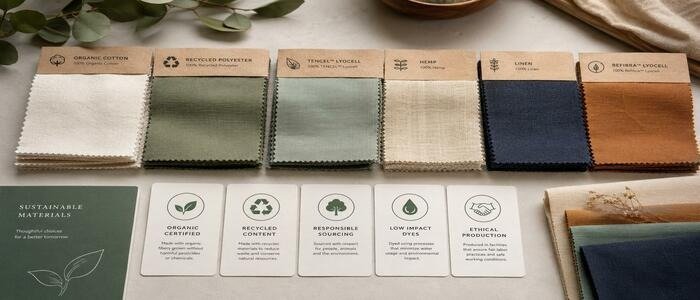
Sustainability is becoming an increasingly important consideration in airline operations.
Uniform programmes are no exception.
Airlines regularly purchase large quantities of garments for new employees, replacements, seasonal changes, and brand updates.
Selecting durable and responsibly sourced materials can help reduce unnecessary textile waste.
8.1 Recycled Fabrics in Airline Uniforms
Some manufacturers use recycled polyester and other recycled textile materials in workwear production.
These materials may help reduce reliance on virgin raw materials, depending on their sourcing and manufacturing processes.
AirAsia’s 2025 uniform announcement, for example, described an upgraded fabric blend containing up to 40% recycled textile materials. The airline also highlighted softness, flexibility, and ease of movement.
This demonstrates that sustainability and employee comfort can be considered together.
8.2 Durability and Longer Garment Lifecycles
A sustainable uniform should not simply contain recycled materials.
It should also perform well over time.
Airlines should consider:
- Resistance to frequent washing.
- Colour retention.
- Fabric strength.
- Seam durability.
- Repairability.
- Availability of replacement components.
- End-of-life recycling options.
A garment that needs frequent replacement may create unnecessary costs and waste.
8.3 Responsible Manufacturing
Airlines can also consider the environmental and social performance of their uniform suppliers.
Important areas include:
- Responsible material sourcing.
- Manufacturing transparency.
- Appropriate labour standards.
- Chemical management.
- Water consumption.
- Textile waste reduction.
Sustainability claims should be supported by credible supplier documentation rather than attractive marketing language.
8.4 Balancing Sustainability, Safety, and Comfort
One important consideration is that recycled or natural fabrics are not automatically suitable for every aviation application.
Uniform materials must meet the relevant operational and safety requirements.
Airlines should assess the finished garment, including fabric composition, construction, linings, accessories, and performance during foreseeable workplace conditions.
The objective should be a balanced uniform programme that supports employees and responsible resource management.
9. How Airlines Can Develop a Better Uniform Programme
Designing a comfortable airline uniform requires more than hiring a fashion designer and selecting attractive colours.
It requires cooperation between airline management, cabin crew representatives, uniform manufacturers, occupational health professionals, and procurement teams.
A structured process can help airlines avoid expensive design mistakes.
9.1 Involve Flight Attendants in the Design Process
The people who wear uniforms every day should have a voice in deciding how those uniforms are designed.
Airlines should invite cabin crew members to participate in:
- Initial design consultations.
- Fabric selection.
- Uniform fitting sessions.
- Footwear trials.
- Movement assessments.
- Pilot programmes.
- Final design evaluations.
Employee participation can help identify practical problems that designers might overlook.
For example, a jacket may look excellent during a presentation but become restrictive when an employee reaches into an overhead compartment.
A flight attendant will probably notice that problem much faster than someone sitting in a design studio!
9.2 Conduct Uniform Comfort Surveys
Airlines should regularly collect feedback about uniform performance.
A short survey can identify recurring problems and help management prioritise improvements.
Useful questions include:
- Does your uniform feel comfortable during long working hours?
- Does the fabric provide sufficient breathability?
- Can you move your arms and legs without restriction?
- Are your uniform shoes comfortable during extended standing?
- Does your uniform remain comfortable in different climates?
- Are the available sizes suitable for your body measurements?
- Which uniform component would you most like to improve?
Airlines can analyse responses by uniform type, employee group, operational base, and season.
This creates a more evidence-based approach to uniform management.
9.3 Introduce Uniform Trial Periods
Before ordering thousands of uniforms, airlines should conduct pilot testing.
A small group of employees can wear sample uniforms during actual working conditions.
The trial should evaluate:
- Comfort during boarding.
- Flexibility during passenger assistance.
- Performance during meal service.
- Comfort while sitting and standing.
- Temperature management.
- Footwear performance.
- Appearance after washing.
- Durability during repeated use.
Feedback should be collected over a reasonable period rather than relying on a single fitting session.
9.4 Work With Experienced Uniform Manufacturers
Airlines should select suppliers with experience in professional work wear and aviation-related requirements.
A capable manufacturer should understand:
- Fabric engineering.
- Ergonomic garment construction.
- Size grading.
- Occupational clothing requirements.
- Textile durability.
- Quality assurance.
- Sustainable sourcing.
- Consistent production standards.
The cheapest supplier is not necessarily the most economical choice.
A low-cost uniform that requires frequent replacement or creates employee complaints may become more expensive over its lifecycle.
9.5 Establish a Continuous Improvement System
Uniform development should not end when the new collection is introduced.
Airlines should monitor employee feedback and garment performance.
A useful improvement cycle includes:
- Identify uniform-related complaints.
- Investigate recurring problems.
- Consult affected employees.
- Evaluate possible design improvements.
- Test revised samples.
- Implement approved changes.
- Review performance after implementation.
This approach helps make airline uniform comfort an ongoing operational priority.
10. Common Mistakes Airlines Should Avoid When Designing Uniforms
Even experienced airlines can make mistakes when developing new uniform collections.
Some problems occur because management focuses too heavily on appearance while overlooking everyday operational requirements.
Here are several mistakes worth avoiding.
10.1 Prioritising Fashion Over Functionality
Fashion trends change, but aviation responsibilities remain demanding.
A uniform should look modern without restricting movement.
Extremely fitted jackets, restrictive skirts, and unsuitable footwear may create unnecessary challenges.
The solution is to balance visual identity with practical design.
10.2 Choosing Fabrics Without Real-World Testing
A material may feel comfortable in an air-conditioned showroom but perform poorly during extended wear.
Airlines should test materials in realistic conditions and assess their durability, breathability, and maintenance requirements.
10.3 Ignoring Employee Feedback
Management may believe a uniform is successful because it looks attractive in promotional photographs.
However, employee experience provides a much better indication of everyday performance.
Ignoring complaints about sizing, footwear, or fabric quality can undermine the entire uniform programme.
10.4 Offering Limited Sizes
A uniform collection should accommodate a diverse workforce.
Limited sizing can lead to poor fit, discomfort, and unnecessary alterations.
Airlines should develop inclusive size ranges and appropriate tailoring arrangements.
10.5 Neglecting Uniform Maintenance
Even a well-designed uniform can become uncomfortable or unattractive if it is difficult to maintain.
Airlines should provide clear guidance on:
- Washing temperatures.
- Suitable cleaning products.
- Ironing instructions.
- Drying methods.
- Garment storage.
- Replacement procedures.
Easy-care materials can reduce the time and effort employees spend maintaining their uniforms.
10.6 Treating Shoes as an Unimportant Accessory
Footwear should be evaluated as part of the complete uniform system.
A professional appearance should never be the only consideration when choosing shoes for employees who spend much of their working day standing and walking.
11. Measuring the Success of Airline Uniform Comfort Improvements
How can an airline determine whether a new uniform collection is actually better?
The answer is to measure performance rather than relying entirely on opinions.
A structured evaluation can help management understand whether the investment delivers meaningful improvements.
11.1 Employee Satisfaction Scores
Airlines can compare employee feedback before and after introducing a new uniform.
Useful indicators include:
- Overall comfort ratings.
- Satisfaction with fabric.
- Footwear satisfaction.
- Fit and sizing satisfaction.
- Ease of movement.
- Uniform appearance.
- Climate adaptability.
11.2 Uniform-Related Complaints
Management can monitor the number and type of uniform complaints received.
For example, recurring complaints about tight sleeves or uncomfortable shoes may indicate that specific design improvements are required.
11.3 Garment Durability
A successful uniform should maintain its appearance and performance over repeated use.
Airlines can monitor:
- Replacement frequency.
- Repair requirements.
- Fabric deterioration.
- Colour fading.
- Seam failures.
- Maintenance costs.
11.4 Workplace Health Indicators
Airlines can also examine broader workplace health and safety indicators.
These might include employee-reported discomfort, footwear-related complaints, and relevant occupational health reports.
However, changes in injury rates should not automatically be attributed to uniform improvements. Staffing, scheduling, cabin equipment, training, and other workplace factors must also be considered.
11.5 Cost Versus Long-Term Value
A comfortable uniform may require a higher initial investment.
However, airlines should evaluate the complete lifecycle cost.
A useful comparison includes:
| Evaluation Area | What Airlines Should Measure |
| Initial cost | Purchase and manufacturing expenses |
| Durability | Expected garment lifespan |
| Maintenance | Cleaning and repair costs |
| Replacement | Frequency of replacement |
| Employee satisfaction | Uniform comfort survey results |
| Operational suitability | Movement and functionality |
| Sustainability | Material sourcing and garment disposal |
The objective is to identify uniforms that provide long-term value while supporting employee well-being.
12. The Future of Airline Uniform Comfort: What Can We Expect?
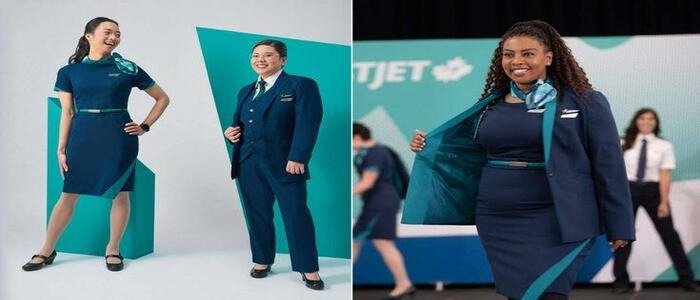
The future of airline uniform design is likely to involve more attention to employee feedback, textile innovation, inclusive sizing, and sustainability.
As airlines continue to modernise their operations, work wear should evolve alongside them.
12.1 Smart and Performance-Based Fabrics
Textile manufacturers continue to develop materials with improved moisture management, stretch, durability, and temperature regulation.
Airlines may increasingly evaluate fabrics based on measurable performance rather than appearance alone.
However, any advanced textile must still satisfy practical, maintenance, and aviation safety requirements.
12.2 More Inclusive Uniform Collections
Future uniform collections may offer greater flexibility in garment styles, sizing, and personal requirements.
This could include:
- More size options.
- Different jacket cuts.
- Alternative trouser and skirt designs.
- Modest uniform options.
- Adaptable accessories.
- More comfortable footwear choices.
Inclusive design can help create a uniform system that works for a broader range of employees.
12.3 Greater Employee Involvement
Digital surveys, employee workshops, and pilot programmes can help airlines collect more useful feedback.
Instead of introducing a new uniform based solely on management decisions, airlines can involve the people who will wear it.
This approach can improve acceptance and reduce the risk of expensive redesigns.
12.4 Sustainable Uniform Lifecycle Management
Future uniform programmes may focus more heavily on responsible sourcing, repair, recycling, and garment lifecycle management.
Rather than replacing entire collections unnecessarily, airlines can explore ways to extend garment life while maintaining professional standards.
12.5 Uniforms Designed Around the Complete Working Experience
Perhaps the biggest change will be a broader approach to uniform development.
Instead of designing individual garments separately, airlines can evaluate how the complete uniform performs throughout an employee’s working day.
This means considering:
- Clothing.
- Footwear.
- Accessories.
- Weather conditions.
- Cabin activities.
- Passenger service responsibilities.
- Emergency response requirements.
The result should be a uniform system that supports the actual demands of aviation work.
13. Practical Recommendations for Airline Management
For airline managers, cabin crew departments, procurement professionals, and uniform designers, the following recommendations provide a useful starting point.
| Priority | Recommended Action | Expected Benefit |
| 1 | Select breathable, durable fabrics | Improved everyday wearability |
| 2 | Introduce ergonomic garment designs | Greater freedom of movement |
| 3 | Provide suitable footwear options | Better walking and standing comfort |
| 4 | Offer inclusive sizing | Improved fit and accessibility |
| 5 | Test uniforms during actual duties | Better operational suitability |
| 6 | Collect regular employee feedback | Continuous improvement |
| 7 | Consider climate-adaptive options | Improved environmental adaptability |
| 8 | Evaluate sustainable materials | More responsible sourcing |
| 9 | Check relevant safety requirements | Better occupational protection |
| 10 | Monitor lifecycle costs | Better long-term value |
These actions should be integrated into an airline’s wider occupational health, safety, human resources, and procurement strategies.
Comfortable uniforms cannot replace appropriate staffing, safe working procedures, or adequate rest.
However, they can eliminate some avoidable sources of discomfort and make daily responsibilities more manageable.
Conclusion: Comfortable Uniforms Create a Better Working Experience
Airline uniform comfort should be recognised as an important part of employee well-being and operational effectiveness.
Flight attendants perform demanding responsibilities that require physical movement, professional presentation, customer service skills, and constant attention to passenger needs.
Their uniforms should support these responsibilities rather than create additional challenges.
From breathable fabrics and ergonomic tailoring to supportive footwear and climate-adaptive designs, every element contributes to the overall uniform experience.
Airlines should also recognise that uniform development is not simply a branding exercise. It is an opportunity to demonstrate respect for employees and improve their everyday working environment.
The most successful uniform is not necessarily the most expensive, fashionable, or visually impressive.
It is the uniform that allows a flight attendant to move comfortably, perform duties confidently, maintain a professional appearance, and complete a demanding working day without unnecessary physical discomfort.
Ultimately, better airline uniform comfort means looking professional while feeling comfortable. And in aviation, both matter!
14. Frequently Asked Questions About Airline Uniform Comfort
1. Why is airline uniform comfort important for flight attendants?
Airline uniform comfort is important because flight attendants work long hours performing physically demanding activities. Comfortable clothing supports natural movement, reduces avoidable discomfort, and helps employees focus on passenger service and safety responsibilities.
2. What fabrics are best for comfortable airline uniforms?
Breathable cotton blends, lightweight wool blends, performance polyester, and suitable stretch fabrics can be considered. The best choice depends on breathability, durability, moisture management, maintenance requirements, climate, and applicable safety standards.
3. How can airlines improve flight attendant uniform comfort?
Airlines can improve uniform comfort by introducing ergonomic designs, breathable materials, suitable footwear, inclusive sizing, climate-adaptive clothing, and regular employee feedback programmes.
4. Do comfortable airline uniforms improve passenger experience?
Comfortable uniforms can help reduce unnecessary employee distractions and support confidence and freedom of movement. However, passenger experience also depends on training, staffing, management, service procedures, and other operational factors.
5. What are the future trends in airline uniform design?
Important trends include sustainable fabrics, improved textile technology, inclusive sizing, ergonomic tailoring, comfortable footwear, climate-adaptive designs, and greater employee involvement in uniform development.
Facebook: https://www.facebook.com/rehan.ghauri
